Shivraj Singh Chouhan Urges Indians to Quit Tobacco, Warns of Oral Cancer Risk
Synopsis
Union Agriculture Minister Shivraj Singh Chouhan has urged Indians to quit bidi, tobacco, and gutka, calling oral cancer the country's most prevalent cancer and stressing that timely detection makes it treatable. The message sits at the intersection of public health and agricultural policy.
Key Takeaways
Union Agriculture Minister Shivraj Singh Chouhan posted a public health message on June 6, 2026 urging people to quit tobacco.
He identified bidi, tobacco, and gutka as the leading causes of oral cancer in India.
Chouhan stressed that cancer is not incurable and that early detection enables treatment .
India's tobacco-control framework includes COTPA (2003) and the National Tobacco Control Programme (2007-08) .
An Agriculture Minister championing tobacco cessation raises questions about crop-diversification support for tobacco-farming communities.
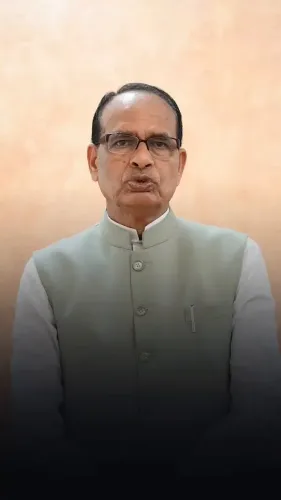
The post included a video, suggesting a broader awareness push beyond a single social media update.
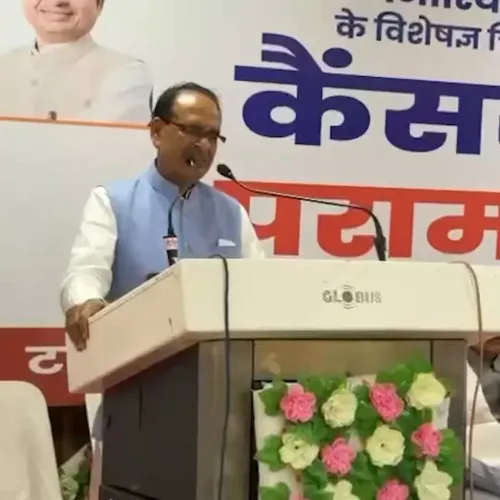
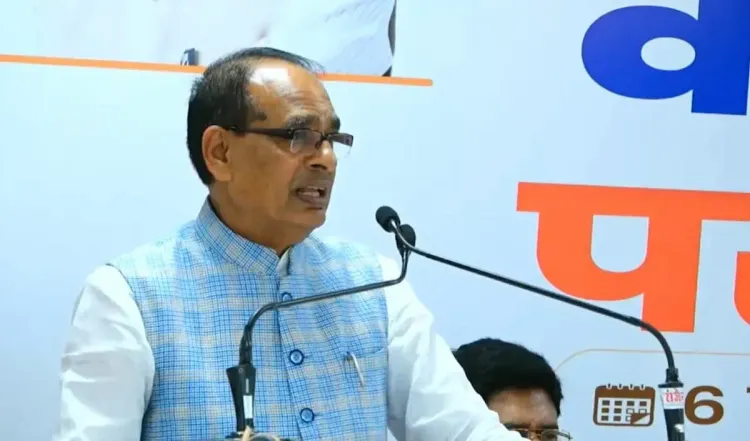
Union Agriculture Minister Shivraj Singh Chouhan took to X on Saturday, June 6, 2026, to deliver a direct public health message, urging citizens to abandon tobacco use and stressing that cancer, if detected early, is treatable.
In his post, Chouhan wrote: 'कैंसर कोई असंभव बीमारी नहीं है। समय पर पता चल जाए, तो इलाज संभव है।' ('Cancer is not an incurable disease. If detected in time, treatment is possible.') He added that oral cancer is the most prevalent form of cancer in India and identified bidi, tobacco, and gutka as its primary drivers, calling on people to give them up.
Context
India carries one of the world's heaviest burdens of oral cancer, a disease epidemiologically tied to smokeless tobacco consumption and bidi smoking. Public health advocates have long pointed to the widespread, affordable availability of gutka and bidi — particularly in rural and semi-urban areas — as a key factor sustaining high incidence rates. Chouhan's message, posted with an accompanying video, targets this everyday habit with plain, accessible language.
Policy Backdrop
India's foundational tobacco-control law, the Cigarettes and Other Tobacco Products Act (COTPA), 2003, regulates the production, sale, and advertisement of tobacco products, including gutka and bidis. The National Tobacco Control Programme, launched in 2007-08, operationalised awareness campaigns and cessation support across states. Despite these frameworks, enforcement has remained uneven, and tobacco continues to be a notified crop in several Indian states.
The fact that a Union Agriculture Minister — whose portfolio directly oversees farmers, many of whom cultivate tobacco — is amplifying an anti-tobacco health message places this post at a notable intersection of public health and agricultural policy.
Stakeholders and Impact
The primary audience for Chouhan's message is the large segment of India's population — concentrated in rural districts — that regularly uses bidi, gutka, or other tobacco products. These consumers face disproportionately high oral cancer risk, and early detection remains a challenge due to limited healthcare access in many regions.
Tobacco farmers represent a secondary stakeholder group. Any sustained political momentum toward tobacco cessation inevitably raises questions about crop-diversification support and alternative livelihoods for farming communities currently dependent on tobacco cultivation. Chouhan's dual role makes him a uniquely positioned voice in this conversation.
What's Next
Health advocates will watch whether this messaging translates into coordinated inter-ministerial action — linking the Ministry of Agriculture with the Ministry of Health and Family Welfare on tobacco-related crop diversification or updated cessation guidelines. Any revision to the National Health Policy or new advisories on alternative crops for tobacco-growing districts would represent a concrete policy follow-through to the awareness push Chouhan has signalled here.
Point of View
Including tobacco as a notified crop. By naming bidi, gutka, and tobacco explicitly, he is wading into territory that affects both rural consumers and a segment of the farming constituency the BJP cultivates carefully. The messaging aligns with a broader central-government pattern of using social media for health awareness, but the Agriculture portfolio adds a layer of policy tension that could foreshadow inter-ministerial discussions on crop diversification. Analysts will note whether this remains an isolated social post or becomes a precursor to formal policy signals ahead of the next National Health Policy review.
NationPress
24 Sept 2026
Frequently Asked Questions
What did Shivraj Singh Chouhan say about cancer?
Shivraj Singh Chouhan said that cancer is not an incurable disease and that timely detection makes treatment possible. He specifically warned that oral cancer is the most common cancer in India and is largely caused by bidi, tobacco, and gutka consumption.
Which cancer is most common in India according to Shivraj Singh Chouhan?
Chouhan stated that oral cancer is the most prevalent cancer in India, linking it directly to the widespread use of bidi, tobacco, and gutka.
What is COTPA and how does it relate to tobacco control in India?
COTPA, the Cigarettes and Other Tobacco Products Act of 2003, is India's central legislation that regulates the production, sale, and advertisement of tobacco products including gutka and bidis. It forms the legal backbone of India's tobacco-control framework.
Why is it significant that an Agriculture Minister is speaking about tobacco and cancer?
The Union Agriculture Minister oversees a portfolio that includes tobacco as a notified crop grown by many Indian farmers. An anti-tobacco health message from this minister sits at the intersection of public health and agricultural policy, potentially signalling future discussions on crop diversification for tobacco-farming communities.
What is the National Tobacco Control Programme in India?
The National Tobacco Control Programme was launched in 2007-08 to implement anti-tobacco awareness campaigns and support cessation activities across Indian states, building on the COTPA legislative framework.