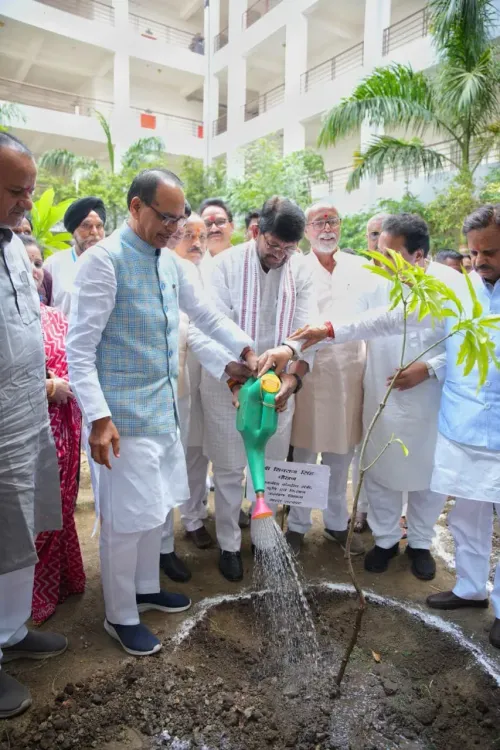
Shivraj plants sapling at Vidisha cancer camp
Synopsis
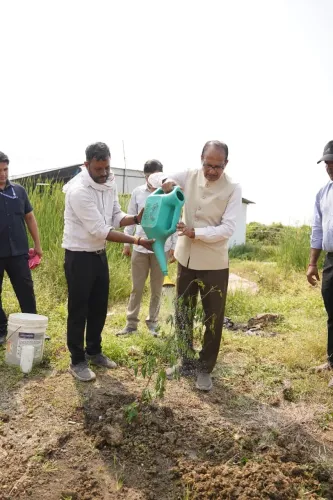
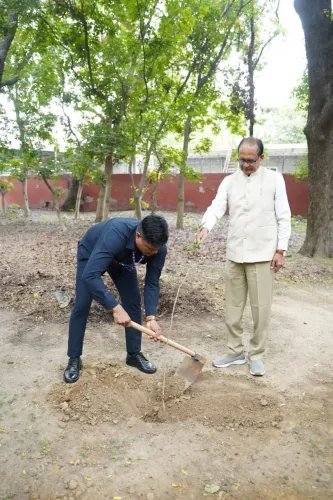
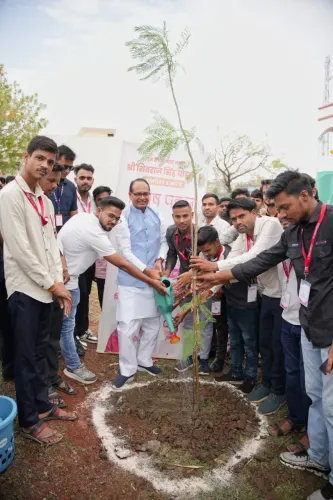
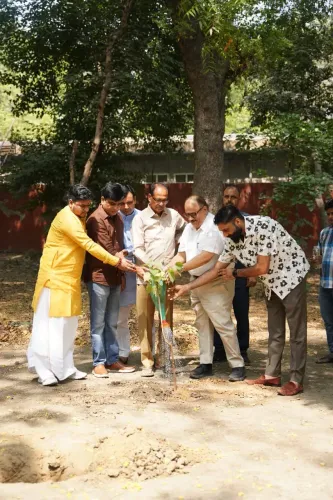
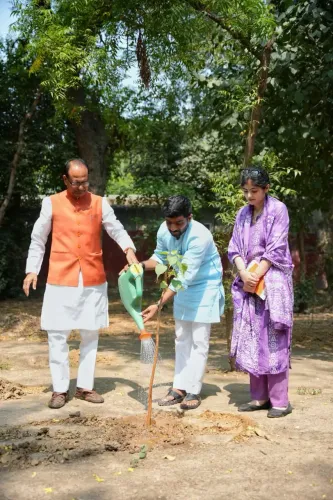
Union Agriculture Minister Shivraj Singh Chouhan planted a sapling at Vidisha's Atal Bihari Vajpayee Government Medical College on 6 June 2026, during the inauguration of a free two-day cancer screening camp run in partnership with Tata Memorial Hospital, Mumbai, continuing his personal #OnePlantADay pledge.
Key Takeaways
Union Agriculture Minister Shivraj Singh Chouhan planted a sapling at Atal Bihari Vajpayee Government Medical College, Vidisha on 6 June 2026 as part of his #OnePlantADay daily pledge.
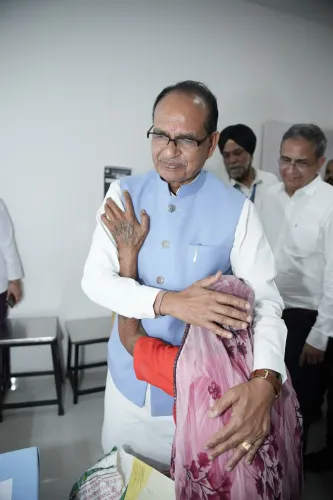
The plantation coincided with the inauguration of a two-day free cancer screening and consultation camp organised in collaboration with Tata Memorial Hospital, Mumbai .
Senior BJP leaders present included MP Deputy Chief Minister Rajendra Shukla , district in-charge minister Lakhan Singh , and three local MLAs.
Tata Memorial Hospital runs nationwide outreach programmes to extend specialist oncology access to underserved districts.
The event aligns with India's NPCDCS framework for district-level cancer screening and the country's Van Mahotsav afforestation tradition dating to 1950 .
Scaling of similar camps to other Madhya Pradesh government medical colleges and sapling survival tracking are the key developments to watch ahead of the 2026 monsoon .
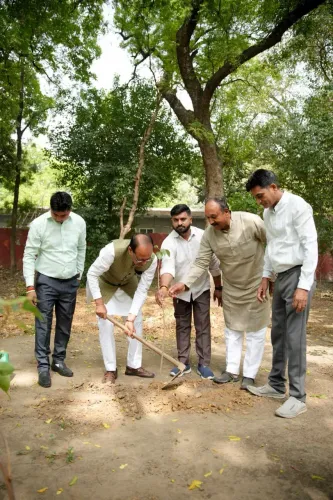
Union Agriculture Minister Shivraj Singh Chouhan on Saturday, 6 June 2026, planted a sapling at the Atal Bihari Vajpayee Government Medical College campus in Vidisha, Madhya Pradesh, as part of his daily tree-plantation pledge, coinciding with the inauguration of a two-day free cancer screening and consultation camp organised in collaboration with Tata Memorial Hospital, Mumbai.
Context
Chouhan posted on X about the twin event, writing in Hindi: 'प्रतिदिन पौधरोपण के संकल्प के क्रम में' ('In continuation of my daily tree-plantation pledge'), he carried out the sapling drive at the medical college during the launch of the free camp. He urged followers: 'You too must plant a sapling and fulfil your duty towards nature,' tagging the initiative #OnePlantADay.
The event brought together several senior Bharatiya Janata Party leaders from the state, including Madhya Pradesh Deputy Chief Minister Rajendra Shukla, Vidisha district in-charge Minister Lakhan Singh, Vidisha MLA Mukesh Tandon, Kurvai MLA Hari Sapre, Bhojpur MLA Surendra Patwa, and Madhya Pradesh Khadi and Village Industries Board Vice-Chairman Dr Rakesh Jadon.
Policy Backdrop
Tata Memorial Hospital, a premier cancer treatment and research institution in Mumbai, operates nationwide outreach screening programmes designed to extend early detection services to districts with limited oncology infrastructure. Partnering with a state government medical college in a mid-sized district such as Vidisha aligns with the centre's broader mission of taking cancer care beyond metropolitan hospitals.
India's National Programme for Prevention and Control of Cancer, Diabetes, Cardiovascular Diseases and Stroke (NPCDCS), launched in 2010, laid the policy foundation for exactly this kind of district-level screening drive, emphasising early detection and community-based consultation. The free camp in Vidisha fits within that framework, offering rural populations access to specialist guidance at no cost.
On the environmental side, Van Mahotsav, India's annual afforestation festival dating to 1950, established the cultural precedent for mass tree-plantation drives. Chouhan's personal #OnePlantADay commitment builds on that tradition, echoing individual leadership pledges on sustainability that have gained visibility since the mid-2010s.
Stakeholders and Impact
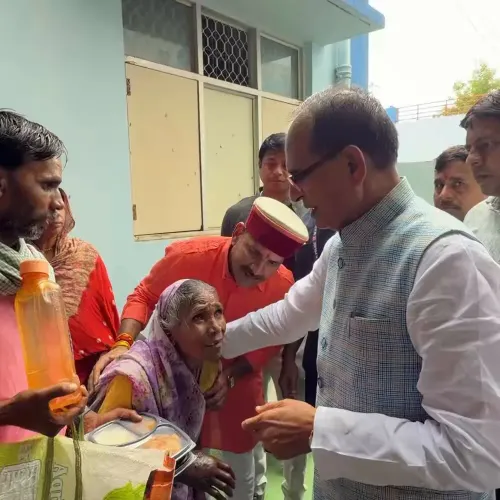
The primary beneficiaries of the two-day camp are cancer patients and at-risk rural communities in and around Vidisha district, who would otherwise face long travel distances to access specialist oncology consultation. Free screening events of this nature can be critical for early-stage detection, particularly for cancers where timely diagnosis significantly improves outcomes.
The simultaneous plantation drive carries symbolic and ecological weight ahead of the 2026 monsoon season, a period when sapling survival rates are highest. By anchoring the environmental act to a high-visibility public health event, the initiative amplifies reach and media attention for both causes.
What's Next
Attention will now turn to whether the Tata Memorial Hospital-linked screening model is scaled to other government medical colleges across Madhya Pradesh, and whether the saplings planted under Chouhan's daily pledge are tracked for survival and growth as part of a verifiable afforestation record. With the monsoon approaching, district administrations are expected to intensify plantation drives, and the #OnePlantADay campaign could serve as a template for similar legislator-led initiatives in other BJP-governed states.
Point of View
Grounding the event in a nationally recognised cancer-care framework. Taken together, the event reinforces Chouhan's dual identity as an environment advocate and a welfare-oriented leader, both narratives central to the BJP's messaging in Madhya Pradesh ahead of future electoral cycles.
NationPress
21 Oct 2026
Frequently Asked Questions
What is the #OnePlantADay campaign by Shivraj Singh Chouhan?
#OnePlantADay is Shivraj Singh Chouhan's personal pledge to plant at least one sapling every day as part of his commitment to environmental conservation and afforestation. He regularly posts updates on social media to encourage citizens to do the same.
What is the free cancer camp held in Vidisha on 6 June 2026?
A two-day free cancer screening and consultation camp was inaugurated on 6 June 2026 at Atal Bihari Vajpayee Government Medical College, Vidisha , organised in collaboration with Tata Memorial Hospital, Mumbai , to provide specialist oncology access to rural communities at no cost.
What is Tata Memorial Hospital and why is it involved in Madhya Pradesh?
Tata Memorial Hospital in Mumbai is India's premier cancer treatment and research institution. It runs outreach screening programmes across the country to extend early detection services to districts that lack specialist oncology infrastructure, which is why it partnered for the Vidisha camp.
Who attended the Vidisha tree plantation and cancer camp event?
The event was attended by MP Deputy Chief Minister Rajendra Shukla , district in-charge minister Lakhan Singh , Vidisha MLA Mukesh Tandon , Kurvai MLA Hari Sapre , Bhojpur MLA Surendra Patwa , and MP Khadi and Village Industries Board Vice-Chairman Dr Rakesh Jadon , along with other dignitaries.
What government scheme supports free cancer screening camps in India?
India's National Programme for Prevention and Control of Cancer, Diabetes, Cardiovascular Diseases and Stroke (NPCDCS) , launched in 2010 , provides the policy framework for district-level cancer screening and early detection drives such as the one held in Vidisha.