Shivraj Singh Chouhan Plants Sapling in Delhi, Urges Daily Pledge
Synopsis
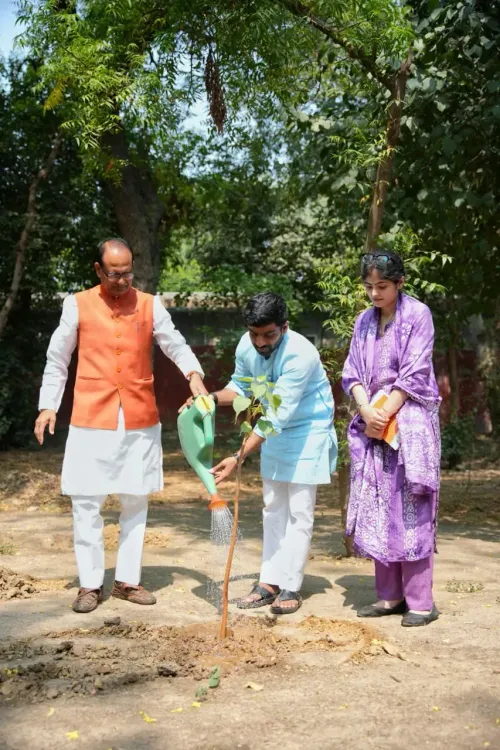
Union Agriculture Minister Shivraj Singh Chouhan planted a sapling in New Delhi and asked citizens to join his daily tree-planting pledge by giving a missed call to enrol as a 'Shiv Vriksh Mitra'. The appeal, tagged #OnePlantADay, comes as India enters the monsoon plantation season tied to long-running afforestation efforts.
Key Takeaways
Union Agriculture Minister Shivraj Singh Chouhan planted a sapling in New Delhi on 3 June 2026 .
He invited citizens to enrol as 'Shiv Vriksh Mitra' via a missed call to 8929629475 .
The post used the hashtag #OnePlantADay and framed plantation as a daily civic pledge.
The appeal comes ahead of the southwest monsoon, India's traditional plantation season.
It aligns with long-running efforts under Van Mahotsav and the National Mission for a Green India .
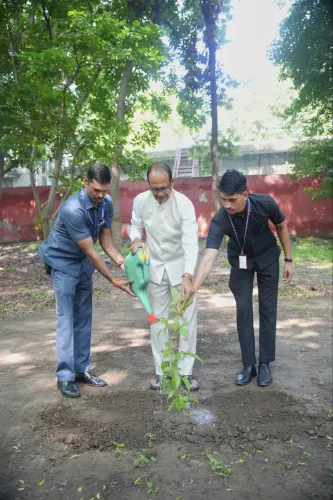
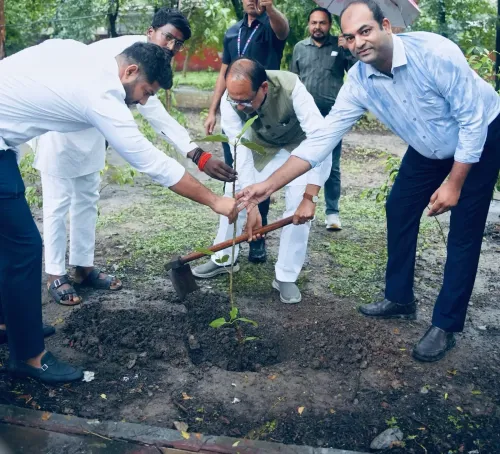
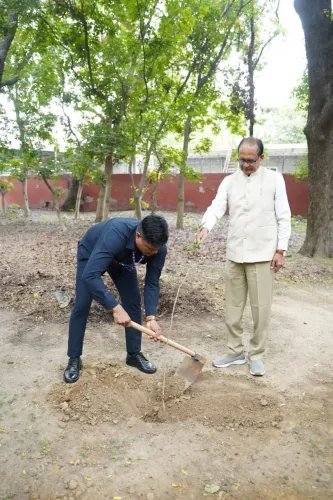
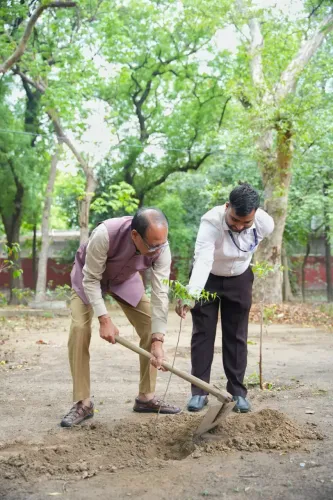
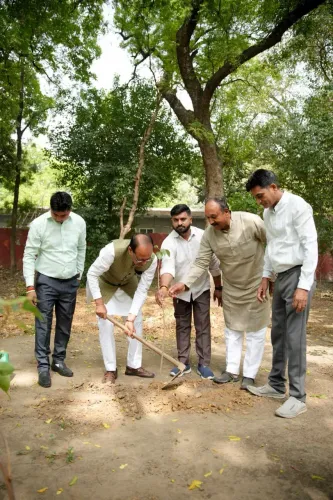
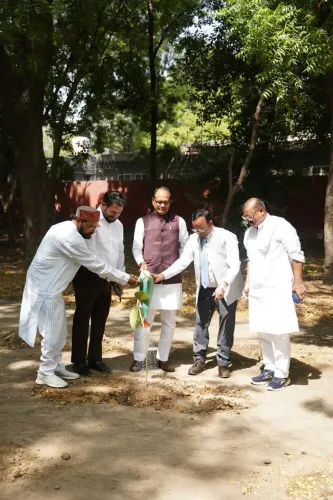
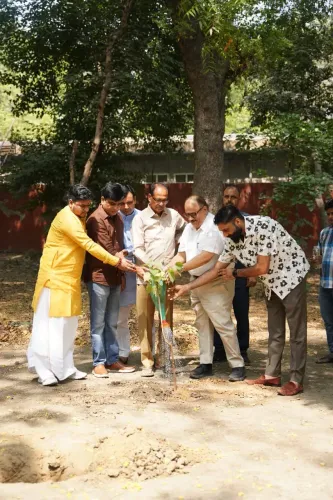
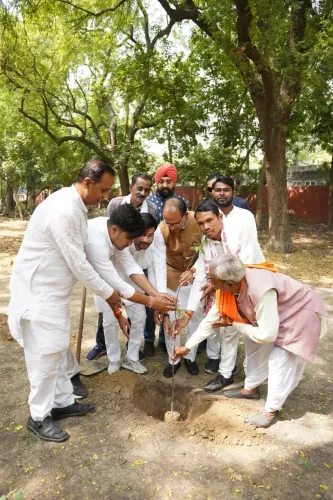
Union Agriculture Minister Shivraj Singh Chouhan planted a sapling in New Delhi on Wednesday, 3 June 2026, continuing what he described as a personal pledge to plant a tree every day. In a post on X, the minister invited citizens to join the effort by giving a missed call to enrol as a 'Shiv Vriksh Mitra' (Shiv's Tree Friend) and contribute to a wider afforestation push.
'In keeping with the resolve of planting a sapling every day, today I planted a sapling in New Delhi,' the minister wrote in Hindi, adding, 'Aaiye, prakriti ki seva aur behtar paryavaran ke liye milkar kaam karein, ek paudha avashya ropein' ('Let us work together for the service of nature and a better environment; do plant at least one sapling'). He shared a contact number, 8929629475, for citizens wishing to register as volunteers, and used the hashtag #OnePlantADay.
Context
The post is part of a sustained personal campaign by the minister, who has frequently documented daily plantations on social media as a way of modelling civic behaviour. Chouhan, a senior BJP leader and four-term former Chief Minister of Madhya Pradesh, has long associated himself with environmental and agrarian outreach, both during his tenure in Bhopal and after taking charge of the Union Ministry of Agriculture and Farmers Welfare and the Ministry of Rural Development.
The June timing places the appeal at the cusp of the southwest monsoon, traditionally the peak season for plantation drives across India because soil moisture improves sapling survival rates.
Policy backdrop
India's tradition of organised tree planting goes back to Van Mahotsav, the annual forest festival launched in 1950 by K.M. Munshi to promote afforestation. That campaign continues each year and is typically timed to the onset of the rains.
At the policy level, the National Mission for a Green India, approved in 2014 under the National Action Plan on Climate Change, sets out a framework to expand and improve forest cover. India's afforestation efforts are also linked to its commitments under the Paris Agreement, including the pledge to create an additional carbon sink through tree and forest cover.
Citizen-engagement add-ons such as missed-call registrations have become a common feature of government and party-led campaigns in India, leveraging mobile penetration to convert broadcast appeals into a database of volunteers.
Stakeholders and impact
The immediate audience for the appeal is urban citizens and environmental volunteers, who are being asked to commit to at least one sapling and to enrol as 'Shiv Vriksh Mitra'. For the minister, the daily plantation ritual doubles as outreach: it keeps environmental messaging in the public timeline and offers a low-barrier entry point for participation.
For local civic bodies and forest departments, sustained ministerial advocacy can translate into greater footfall at plantation events and easier mobilisation during the monsoon plantation window. The success of such drives, however, depends heavily on post-plantation care, geo-tagging and survival audits, areas where past campaigns have drawn scrutiny.
What's next
With the monsoon approaching, similar appeals from central and state leaders are likely to multiply, often clustered around Van Mahotsav week in July. The 'Shiv Vriksh Mitra' missed-call mechanism could, if scaled, feed into state-level forestry programmes and provide a volunteer base for plantation and maintenance activity.
The broader test will be whether daily symbolic plantations and citizen sign-ups translate into measurable gains in canopy cover, a metric tracked through periodic forest assessments and central to India's climate commitments.
Point of View
Chouhan is layering a digital volunteer funnel onto the older Van Mahotsav tradition, a pattern increasingly common across party lines. The real signal to watch is not the sapling count but whether the 'Shiv Vriksh Mitra' database gets plugged into state forestry programmes or audited for sapling survival, the metric where most plantation drives have historically underperformed.
NationPress
16 Oct 2026
Frequently Asked Questions
What is the Shiv Vriksh Mitra campaign?
It is a citizen-engagement initiative promoted by Union Agriculture Minister Shivraj Singh Chouhan that invites people to give a missed call to 8929629475 and pledge to plant trees as part of his daily plantation drive.
How can I join Shivraj Singh Chouhan's tree-planting campaign?
Citizens can join by giving a missed call to the number 8929629475 shared in the minister's post to register as a 'Shiv Vriksh Mitra' and commit to planting saplings.
Where did Shivraj Singh Chouhan plant a sapling on 3 June 2026?
He planted a sapling in New Delhi on 3 June 2026 as part of his pledge to plant a tree every day.
What does the hashtag OnePlantADay mean?
It refers to Shivraj Singh Chouhan's personal pledge to plant at least one sapling every day and his appeal asking citizens to do the same for a better environment.
Why are June plantation drives common in India?
June marks the onset of the southwest monsoon, when higher soil moisture improves sapling survival, which is why central and state plantation campaigns and Van Mahotsav events are timed to this period.