Shivraj Singh Chouhan Hails Vidisha Medical Camp as 'Sacred Service'
Synopsis
Union Agriculture Minister Shivraj Singh Chouhan on June 6, 2026, praised a large medical outreach camp in Vidisha, Madhya Pradesh, calling it a 'grand yajna of service' and thanking specialist doctors from Tata Memorial Hospital and AIIMS for their participation alongside local institutions.
Key Takeaways
Union Agriculture Minister Shivraj Singh Chouhan publicly acknowledged a major medical outreach camp held in Vidisha, Madhya Pradesh on June 6, 2026 .
Specialist doctors from Tata Memorial Hospital, Mumbai and AIIMS participated alongside local institutions and elected representatives.
Chouhan described the event as a seva ka mahayagya — a grand act of collective service — invoking the language of civic and spiritual duty.
Tata Memorial Hospital , founded in 1941 , is India's premier cancer care institution and conducts specialist outreach programmes across the country.
The camp reflects a broader pattern of public-private and centre-state collaboration to bridge specialist healthcare gaps in tier-2 and rural districts.
Such initiatives align with the Ayushman Bharat Pradhan Mantri Jan Arogya Yojana framework, which has sought to expand health access to low-income households since 2018 .
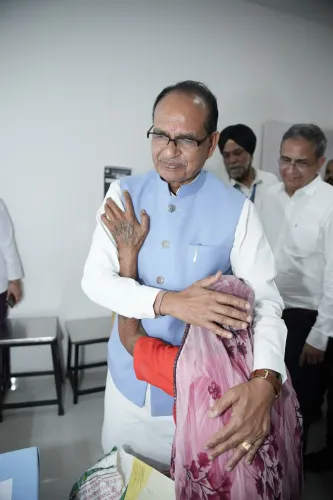
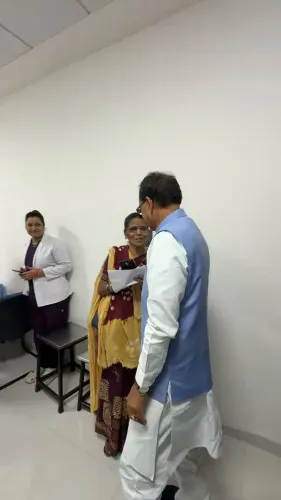
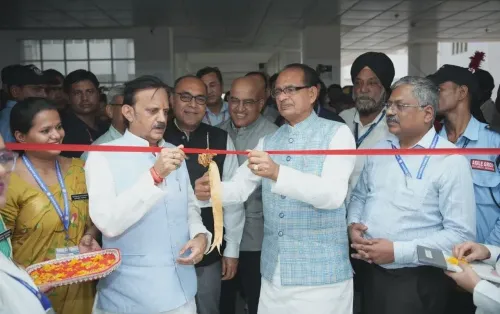
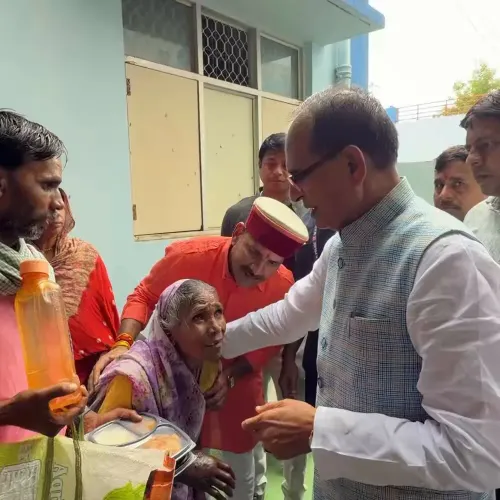
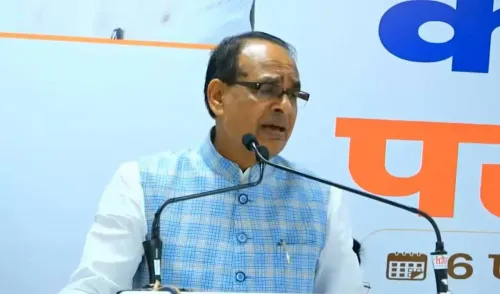
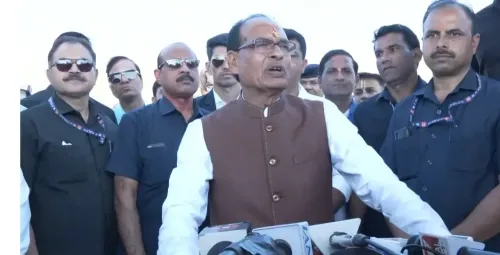
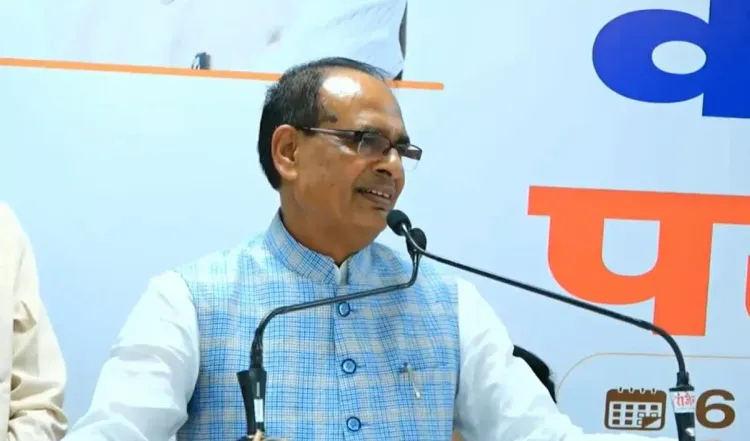
Union Agriculture Minister Shivraj Singh Chouhan on Saturday, June 6, 2026, expressed deep gratitude to doctors from Tata Memorial Hospital and AIIMS, as well as local institutions and elected representatives in Vidisha, for their participation in what he called a seva ka mahayagya — a grand yajna of service — a large-scale medical outreach camp held in his home district.
Posting on X, Chouhan wrote: 'Yah seva ka mahayagya hai. Isme aahuti de rahe Vidisha ki sabhi sansthaon, janpratinidhiyon tatha Tata Memorial Aspatal aur AIIMS se padhare sabhi doctors ka main bahut-bahut aabhari hoon.' In English: 'This is a grand yajna of service. I am deeply grateful to all the institutions and public representatives of Vidisha, and to all the doctors who have come from Tata Memorial Hospital and AIIMS to contribute to it.'
Context
The post refers to a medical camp organised in Vidisha, a district in Madhya Pradesh, bringing together specialist doctors from two of India's most prominent medical institutions — Tata Memorial Hospital, Mumbai, and AIIMS — alongside local healthcare bodies and elected representatives. Chouhan, who served four terms as Chief Minister of Madhya Pradesh before becoming a Union Minister in 2024, has a long association with Vidisha, which falls in his political constituency. His use of the phrase mahayagya — a term from Hindu ritual tradition meaning a great sacrificial act of collective offering — frames the camp as an act of communal devotion to public welfare.
Policy Backdrop
Tata Memorial Hospital, established in 1941 in Mumbai, is India's foremost cancer treatment and research institution. It has expanded its reach through outreach programmes that send specialists to underserved regions, addressing the severe shortage of oncology care outside major metropolitan centres. AIIMS, whose network of campuses has grown significantly since 2015, similarly conducts outreach and telemedicine programmes to extend tertiary care to tier-2 towns and rural districts.
Such collaborations fit within the broader framework of Ayushman Bharat Pradhan Mantri Jan Arogya Yojana, launched in 2018, which aims to extend health coverage to low-income households. Voluntary specialist camps in smaller towns represent a complementary, on-the-ground layer of that national health access agenda.
Stakeholders and Impact
Residents of Vidisha and surrounding areas stand to benefit directly from access to specialists in disciplines — likely including oncology — that are rarely available outside major cities. Cancer screening and early diagnosis in tier-2 districts remain a critical gap in India's public health infrastructure, and camps of this nature can provide consultations to hundreds of patients in a single event.
Local institutions, janpratinidhis (elected representatives), and civil society bodies coordinating the logistics of such camps play an equally important role. Chouhan's public acknowledgement of their contribution underlines the political and civic coalition that makes large-scale outreach events possible in smaller districts.
What's Next
The success of specialist outreach camps in constituencies like Vidisha often shapes follow-up policy conversations — including calls for dedicated funding under state and national health missions for rural oncology outreach. With the monsoon session of Parliament approaching, any announcement linking such ground-level initiatives to formal scheme expansion would signal a move toward institutionalising what is currently driven largely by voluntary effort. Chouhan's prominent endorsement adds political weight to the case for scaling such programmes across Madhya Pradesh and beyond.
Point of View
People-first politics, this kind of public acknowledgement reinforces continuity between his state-level identity and his national role. The presence of institutions like Tata Memorial Hospital and AIIMS also signals the value of leveraging central government relationships to deliver visible benefits in home constituencies. Longer term, if such camps are formalised into recurring programmes, they could become a template for how Union Ministers use institutional networks to maintain grassroots relevance even after leaving state office.
NationPress
13 Sept 2026
Frequently Asked Questions
What is the Vidisha medical camp that Shivraj Singh Chouhan mentioned?
It is a large-scale medical outreach camp held in Vidisha, Madhya Pradesh, where specialist doctors from Tata Memorial Hospital and AIIMS joined local institutions and elected representatives to provide healthcare services to residents.
Why did Shivraj Singh Chouhan thank Tata Memorial Hospital and AIIMS?
Chouhan thanked doctors from both institutions for travelling to Vidisha to participate in the medical camp, which he described as a 'grand yajna of service' aimed at providing specialist care to the local population.
What is Tata Memorial Hospital and why is it significant?
Tata Memorial Hospital, established in 1941 in Mumbai, is India's foremost cancer treatment and research centre. It runs outreach programmes that send specialists to underserved regions to address the shortage of oncology care outside major cities.
What does 'seva ka mahayagya' mean?
'Seva ka mahayagya' is a Hindi phrase meaning a 'grand yajna (sacrificial ritual) of service.' Chouhan used it to describe the collective effort of doctors, institutions, and representatives coming together for public healthcare, framing it as an act of communal devotion.
How does this camp relate to national health policy in India?
Such specialist outreach camps complement the Ayushman Bharat Pradhan Mantri Jan Arogya Yojana, launched in 2018, which aims to extend health coverage to low-income households. They represent a ground-level effort to bridge the gap in specialist care in tier-2 towns and rural districts.