Can Freshwater Sponge-Associated Microbes Combat Metal Pollution?
Click to start listening
Synopsis
Discover how researchers at the Bose Institute have identified freshwater sponges from the Sundarban delta as promising bioindicators of toxic metal pollution. This groundbreaking study highlights their significant role in bioremediation and ecosystem health.
Key Takeaways
- Freshwater sponges serve as bioindicators of toxic metal pollution.
- They accumulate significant levels of harmful metals.
- Microbial communities within sponges play a vital role in detoxification.
- Research supports the use of sponges in bioremediation.
- Findings can lead to sustainable water quality management strategies.
New Delhi, Nov 19 (NationPress) Researchers at the Bose Institute, which operates under the Department of Science and Technology, have revealed in a recent study that freshwater sponges from the Sundarban delta may serve as effective bioindicators for detecting toxic metal pollution.
These freshwater sponges, home to various microbial communities essential for maintaining ecosystem health, have demonstrated their potential to function both as bioindicators and absorbers of harmful metals such as arsenic, lead, and cadmium. This discovery positions them as a viable solution for bioremediation.
With pollution posing an increasing threat to aquatic ecosystems globally, these natural water purifiers are becoming critical allies in the quest for cleaner environments.
Freshwater sponges, among the earliest multicellular eukaryotes, filter substantial amounts of water and play a pivotal role in ecological balance.
Led by Dr. Abhrajyoti Ghosh, the research team from the Bose Institute’s Department of Biological Sciences examined these sponges from the Sundarban delta and found that sponge-associated microbial communities are vital for detoxifying polluted waters and sustaining ecosystem health.
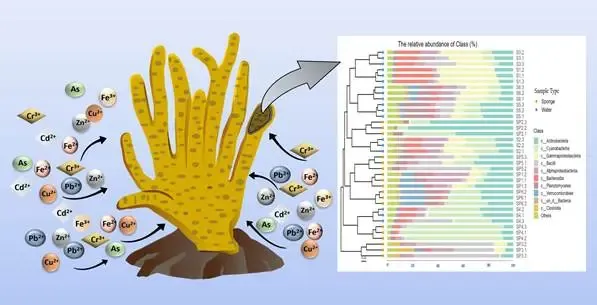
The findings, published in the journal Microbiology Spectrum (American Society for Microbiology), indicated that the bacterial communities within the sponges are distinct from those in their surrounding waters, influenced by the sponge species and their habitat.
Notably, the sponges showed a remarkable ability to accumulate higher concentrations of toxic metals like arsenic, lead, and cadmium, underscoring their bioaccumulation capabilities. Given the pervasive heavy metal contamination across the Gangetic plain, these sponges present a promising approach to bioremediation.
Furthermore, the study revealed that the bacteria associated with sponges are enriched with genes linked to metal ion transport, metal resistance, and antimicrobial resistance.
Dr. Ghosh stated, “These adaptive traits suggest that bacterial symbionts not only endure but actively assist in detoxifying and resisting environmental stress, particularly in metal-contaminated areas. This research emphasizes the ecological importance of the sponge-microbe consortium and reinforces the role of freshwater sponges as effective indicators for assessing water quality and pollution levels in estuarine and freshwater ecosystems.”
“This groundbreaking work expands our understanding of sponge microbial ecology and paves the way for innovative strategies in sustainable water quality management and bioremediation,” the team concluded.
Point of View
I find this study to be a pivotal development in understanding the ecological role of freshwater sponges. The findings reinforce the importance of natural solutions for combating pollution, highlighting the urgent need for sustainable environmental practices.
NationPress
20/12/2025
Frequently Asked Questions
What are freshwater sponges?
Freshwater sponges are simple multicellular organisms that filter water and host diverse microbial communities essential for ecosystem health.
How do freshwater sponges contribute to bioremediation?
They accumulate toxic metals like arsenic, lead, and cadmium, making them effective in removing these pollutants from contaminated water.
What is the significance of sponge-associated bacteria?
These bacteria play a crucial role in detoxifying polluted waters and enhancing the sponges' ability to resist environmental stress.
Where was this research conducted?
The study was conducted by scientists from the Bose Institute, focusing on freshwater sponges from the Sundarban delta.
Why are sponges considered bioindicators?
Their ability to accumulate toxic metals makes them useful for monitoring water quality and pollution levels in aquatic ecosystems.