Did CM Rekha Gupta Survive an Attempted Murder?

Synopsis
In a significant legal development, a Delhi court has initiated charges of attempted murder against two individuals involved in an attack on Chief Minister Rekha Gupta. The case has drawn attention due to its serious implications for public safety and political stability.
Key Takeaways
Attempt to murder and criminal conspiracy charges are serious allegations.
The incident highlights issues of political violence in India.
Public safety for political figures is a growing concern.
The case's next hearing on December 26 will be crucial.
The motives behind the attack raise ethical questions regarding animal rights.
New Delhi, Dec 20 (NationPress) A Delhi court has laid down attempt to murder and criminal conspiracy charges against two individuals allegedly involved in the assault on Delhi Chief Minister Rekha Gupta at her residence in Civil Lines on August 20.
The Tis Hazari Court has scheduled the next hearing for December 26, noting that there is prima facie adequate evidence to proceed with charges against Rajesh Sakariya and Sheikh Tehsin Raza. These charges could result in a maximum sentence of 10 years in prison, alongside a fine.
In addition to the attempted murder charges, the court has also imposed charges under BNS sections 221 (obstructing a public servant) and 132 (assaulting a public servant) against the pair. An extra charge of voluntarily causing harm was also applied to Sakariya.
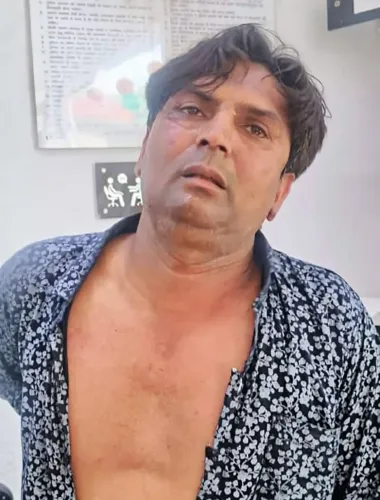
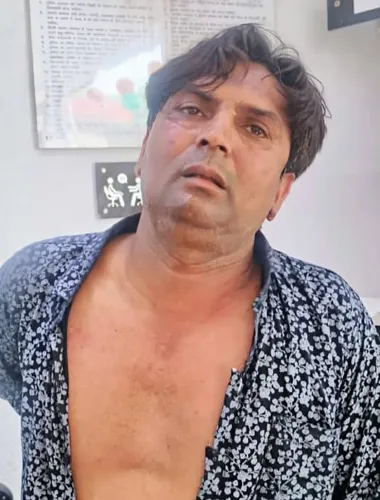
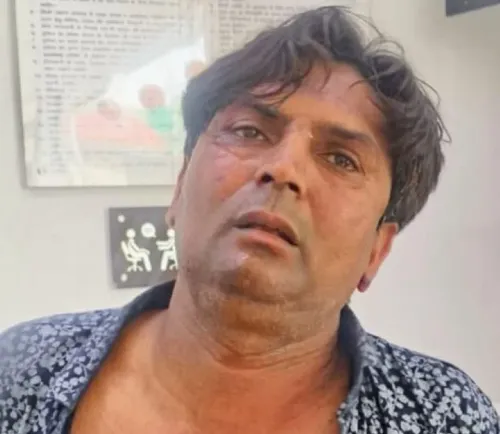
This case stems from the assault on Chief Minister Gupta during a 'Jan Sunwai' session at her Civil Lines home. The attacker, identified as Rajesh Sakariya, a 41-year-old autorickshaw driver from Rajkot in Gujarat, had pretended to be a complainant before launching the assault.
During the 'Jan Sunwai', Sakariya delivered some documents to the Chief Minister and mentioned a court case before attacking her. He was apprehended shortly after the incident and charged with attempted murder, assaulting a public servant, and obstructing officials in their duties.
According to investigators, Tehsin Raza and Sakariya conspired to execute the attack after watching videos regarding actions taken against stray dogs in Delhi, seeking revenge for what they perceived as cruelty towards the animals.
The chargesheet was submitted against the two accused in October.
Sakariya's criminal history, revealed during the investigation, indicated that he has at least five cases registered at Bhaktinagar Police Station in Rajkot, of which he has been acquitted in four.
In September, Sakariya filed a motion with a Delhi court, claiming he had not received a copy of the FIR.
The police opposed this request, arguing that the FIR was classified as sensitive according to police orders, deeming the application both premature and unsustainable.
However, the Special Public Prosecutor (SPP) indicated that the FIR could be disclosed if the accused provided an assurance not to share it further. The defense attorney for Sakariya contended that such a commitment was not legally required.
Following a review of all arguments, the court decided that the FIR copy must be provided to the accused, dismissing the police's argument.
Point of View
This incident underscores a disturbing trend of political violence in India. It raises critical questions about the safety of public officials and the societal issues that lead to such aggressive actions. NationPress is committed to bringing you the facts and context surrounding this troubling situation.
NationPress
30 Sept 2026
Frequently Asked Questions
What charges were framed against the accused?
The accused face charges of attempted murder and criminal conspiracy, along with additional charges for obstructing and assaulting a public servant.
When is the next hearing scheduled?
The next hearing in this case is set for December 26.
What was the motive behind the attack?
Investigators believe the attackers conspired to retaliate against perceived cruelty towards stray dogs after watching related videos.