India's Indigenous 4G Telecom Stack for BSNL: A Leap Towards Self-Reliance
Synopsis
Union Minister Jyotiraditya Scindia announced the launch of an indigenous 4G telecom stack for BSNL, a pivotal step towards India's technological self-reliance in telecommunications. This initiative not only revives BSNL but also enhances connectivity in remote areas, marking India's entry into an exclusive club of nations with such capabilities.
Key Takeaways
Indigenous 4G stack development for BSNL enhances self-reliance.
BSNL reports profits for the first time in 18 years.
Subscriber base increased from 8.55 crore to 9.27 crore.
Over 1 lakh 4G towers rolled out.
Government initiatives support connectivity in remote areas.
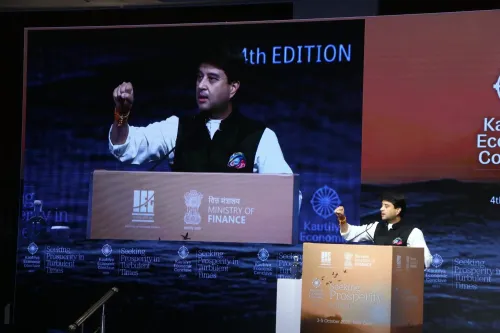
New Delhi, March 18 (NationPress) Union Minister Jyotiraditya Scindia announced on Wednesday that the establishment of an indigenous 4G telecom stack for Bharat Sanchar Nigam Limited signifies a significant advancement towards India’s autonomy in telecom technology, positioning the nation among a limited number of countries equipped with such capabilities.
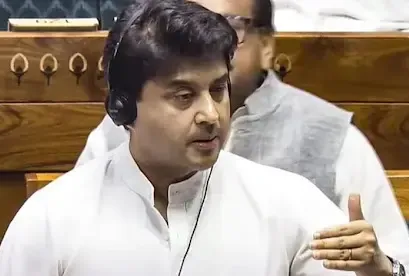
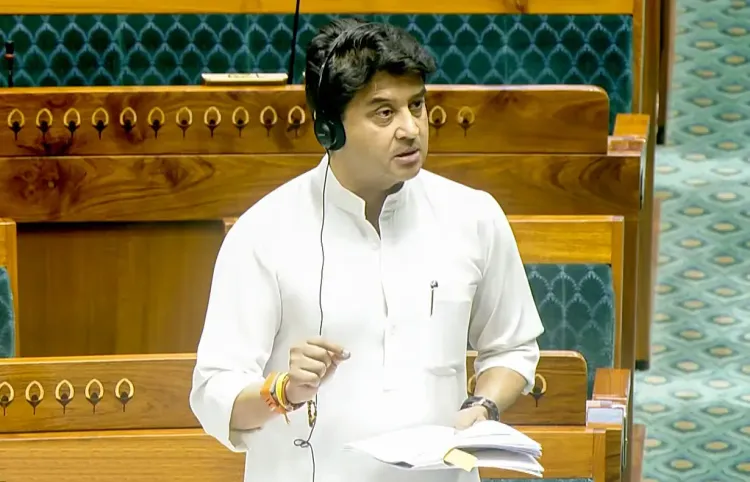
During his address in the Lok Sabha, Scindia emphasized that India is progressively advancing towards technological independence in the telecommunications sector under Prime Minister Narendra Modi's leadership.
He remarked, "The creation of an indigenous 4G telecom stack for BSNL is a strategic step towards the domestic production of essential telecom equipment, placing India among an elite group of nations with such capabilities."
The minister also pointed to BSNL's revival, noting that the public sector telecom entity has reported quarterly net profits for the first time in almost 18 years in FY 2024–25.
Moreover, he stated that BSNL’s subscriber count has risen from 8.55 crore to 9.27 crore, indicating a growing consumer confidence.
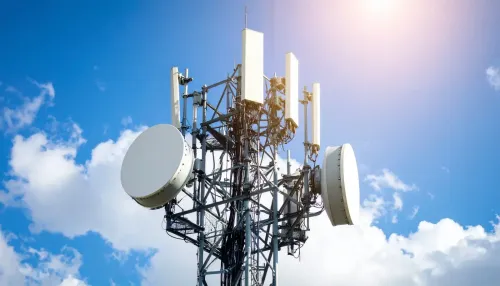
“Approximately 1 lakh 4G towers have already been established, and 5G services will be launched once the 4G network is stabilized,” he added.
Scindia also informed the House about the government’s initiatives to enhance mobile connectivity, especially in border and remote regions.
Villages located within 50 kilometers of the international border are now being recognized as the “first villages” of the nation under the Vibrant Villages Programme, showcasing a shift in developmental strategies.
The government is also promoting telecom growth through the Digital Bharat Nidhi, which provides funding for connectivity projects in rural and challenging areas.
In Rajasthan, he mentioned that over 97 percent of border villages now have mobile coverage.
Highlighting advancements in Uttarakhand, the minister noted that 684 out of 705 border villages have been connected, with ongoing efforts to cover the remaining areas.
“India now boasts one of the largest telecom networks globally, facilitating services such as digital payments and direct benefit transfers,” Scindia stated.
He also highlighted the achievements of the BharatNet programme, which has connected over 2.15 lakh Gram Panchayats with broadband.
Point of View
The announcement of an indigenous 4G telecom stack for BSNL is a significant milestone in India's journey towards technological independence. It underscores the government's commitment to enhancing domestic manufacturing capabilities and improving connectivity, especially in underserved regions. This initiative not only revives a critical public sector enterprise but also elevates India's status on the global telecom front.
NationPress
19 Sept 2026
Frequently Asked Questions
What is the significance of the indigenous 4G telecom stack for BSNL?
The indigenous 4G telecom stack represents a major stride towards India's self-reliance in telecom technology, enabling domestic manufacturing of essential telecom equipment and enhancing India's global standing in this sector.
How does this initiative impact BSNL's financial status?
This initiative is part of BSNL's revival strategy, which has already resulted in quarterly net profits for the first time in nearly 18 years, indicating a positive turnaround.
What is the Vibrant Villages Programme?
The Vibrant Villages Programme aims to improve infrastructure and connectivity in villages near international borders, recognizing them as key development areas.
How many 4G towers have been established so far?
Approximately 1 lakh 4G towers have been rolled out as part of the initiative.
What are the future plans for mobile connectivity in India?
Following the stabilization of the 4G network, 5G services will be introduced, further enhancing mobile connectivity across the country.