Can a New AI Tool Revolutionize Prognosis for Head and Neck Cancer?

Synopsis
Discover how a groundbreaking AI tool developed by US researchers could transform the prognosis for patients suffering from head and neck cancer. This innovative approach promises to predict cancer spread more accurately, guiding treatment decisions and improving patient outcomes. Dive into the details of this exciting medical advancement.
Key Takeaways
The new AI tool predicts risks of cancer spread in oropharyngeal cancer patients.
It assists doctors in determining treatment intensity for patients.
The tool evaluates imaging data from CT scans for better prognostic insights.
Published research in the Journal of Clinical Oncology highlights its effectiveness.
It aims to enhance personalized treatment strategies for patients.
New Delhi, Dec 27 (NationPress) A group of researchers from the United States has successfully created and validated an artificial intelligence (AI)-driven, non-invasive tool designed to forecast the risk of head and neck cancer metastasis.
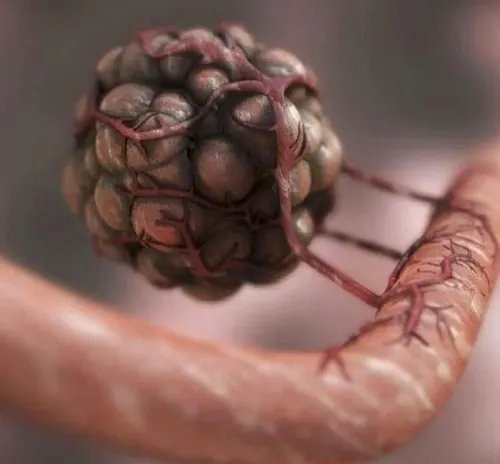
This innovative AI tool, developed by scientists from Mass General Brigham, is capable of predicting the likelihood that a patient's oropharyngeal cancer—a specific form of head and neck cancer originating in the throat—will progress. This could assist healthcare professionals in determining which patients require more aggressive treatment.
According to senior author Benjamin Kann of the Artificial Intelligence in Medicine (AIM) Programme at Mass General Brigham, "Our tool may assist in identifying which patients should undergo multiple interventions or are the best candidates for clinical trials involving intensive strategies such as immunotherapy or additional chemotherapy."
Kann further noted, "Our tool can also help recognize patients who might benefit from a reduction in treatment intensity, such as opting for surgery alone."
The findings of this research have been published in the Journal of Clinical Oncology.
Therapeutic options for oropharyngeal cancer, which include various combinations of surgery, radiation therapy, and chemotherapy, can be challenging for patients to tolerate and may have long-term adverse effects. Thus, it is crucial to identify patient subgroups that may benefit from either more or less intensive treatment modalities.
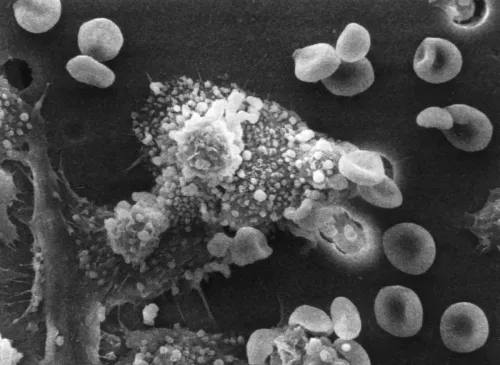
One method to achieve this is by evaluating whether the patient exhibits pathologic extranodal extension (ENE), which occurs when cancer cells invade beyond the lymph node into surrounding tissues. Currently, ENE can only be conclusively diagnosed through surgical removal and examination of lymph nodes.
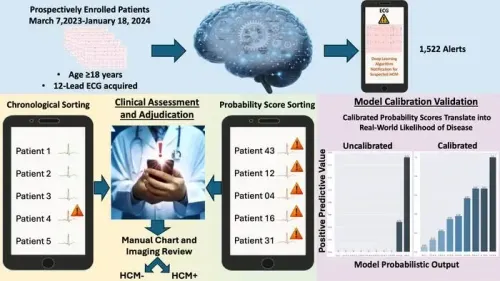
The new AI-based tool utilizes imaging data from computed tomography (CT) scans to predict the number of lymph nodes exhibiting ENE—an important indicator of a patient’s prognosis and their likelihood of benefitting from intensified therapies.
When applied to imaging scans from 1,733 patients diagnosed with oropharyngeal carcinoma, the tool successfully predicted uncontrolled cancer spread and poorer patient survival outcomes. Integrating the AI's assessments with established clinical risk predictors enhanced risk stratification, resulting in more accurate survival predictions and assessments of cancer spread for individual patients.
"The AI tool facilitates the prediction of the number of lymph nodes affected by ENE, something that was previously unattainable, demonstrating its potential as a powerful and novel prognostic biomarker for oropharyngeal cancer that could enhance current staging protocols and treatment planning," said Kann.
Point of View
I recognize the significance of emerging technologies in enhancing patient care. This AI tool represents a remarkable leap forward in oncology, potentially reshaping treatment protocols and improving outcomes for patients with head and neck cancers. The ongoing advancements in AI not only exemplify innovation in medicine but also highlight the importance of personalized treatment approaches.
NationPress
19 Sept 2026
Frequently Asked Questions
What is the purpose of the new AI tool?
The AI tool aims to predict the risk of metastasis in head and neck cancer patients, helping doctors make informed treatment decisions.
How does the AI tool work?
It analyzes imaging data from CT scans to predict the number of lymph nodes affected by pathologic extranodal extension, indicating prognosis and treatment needs.
What impact does this tool have on treatment options?
The tool helps identify patients who may need aggressive treatments or those who could benefit from less intensive therapies, thus optimizing patient care.
Where was the research published?
The findings were published in the Journal of Clinical Oncology.
Who led the research team?
The research was led by senior author Benjamin Kann from the Artificial Intelligence in Medicine Programme at Mass General Brigham.