How Can Vaccination, Screening, and Early Treatment Combat Cervical Cancer?
Synopsis
Cervical cancer remains a leading cause of mortality among women in India, with a woman dying every eight minutes. Experts highlight that vaccination, screening, and early treatment are pivotal in combatting this disease. With increased awareness and preventive measures, cervical cancer can be significantly reduced. Explore how timely actions can save lives and promote women's health.
Key Takeaways
Vaccination is crucial for preventing cervical cancer.
Regular screening helps detect precancerous changes in the cervix.
Early treatment can significantly reduce mortality rates.
Awareness is key to combating the disease's burden in India.
Good menstrual hygiene and immunity are important for overall health.
New Delhi, Jan 9 (NationPress) Vaccination, screening, and early treatment are essential strategies in the battle against cervical cancer, which claims the life of a woman in India every eight minutes, according to health professionals on Friday.
January is recognized worldwide as Cervical Cancer Awareness Month.
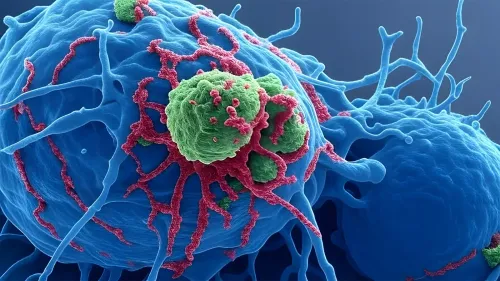
Cervical cancer is primarily caused by the Human Papillomavirus (HPV). This virus targets the cervix, which is the lower part of the uterus. While an HPV infection does not directly indicate cancer, it necessitates testing or screening to determine if it has induced any alterations in the cervix.
“Cervical cancer and breast cancer are the most prevalent cancers among women. In India, a woman succumbs to cervical cancer every eight minutes. This statistic underscores the severity of the issue. In several countries, these fatalities are significantly lower due to the fact that cervical cancer is entirely preventable. Timely screening or appropriate vaccination can nearly eliminate the risk,” stated Dr. Sujata Pathak, a Scientist in Preventive Oncology at IRCH, AIIMS Delhi, in an interview with IANS.
“Preventing cervical cancer serves as one of the most effective instances of cancer control in contemporary medicine. The disease is mainly attributed to chronic infection with high-risk HPV, and it can largely be prevented through a blend of vaccination, screening, and early intervention,” Dr. Rahul D. Modi, a gynecologic oncologist at a Delhi hospital, added.
Experts pointed out that the disease burden in India is significantly high due to insufficient awareness.
Pathak noted that the HPV vaccine has been accessible since 2006, yet awareness has remained low. Recently, awareness levels have risen as the WHO has identified cervical cancer as a major public health concern.
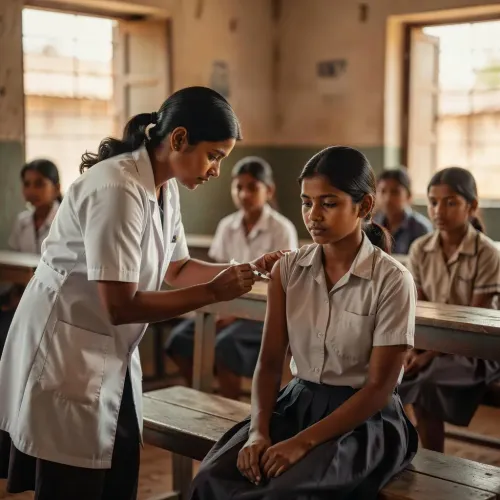
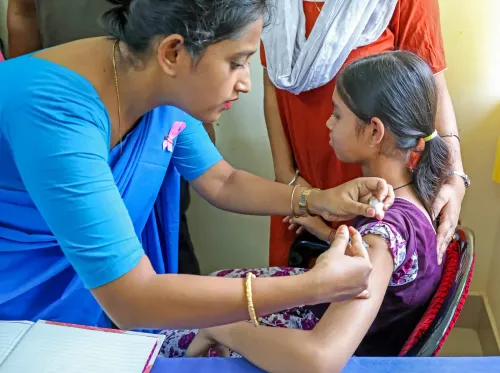
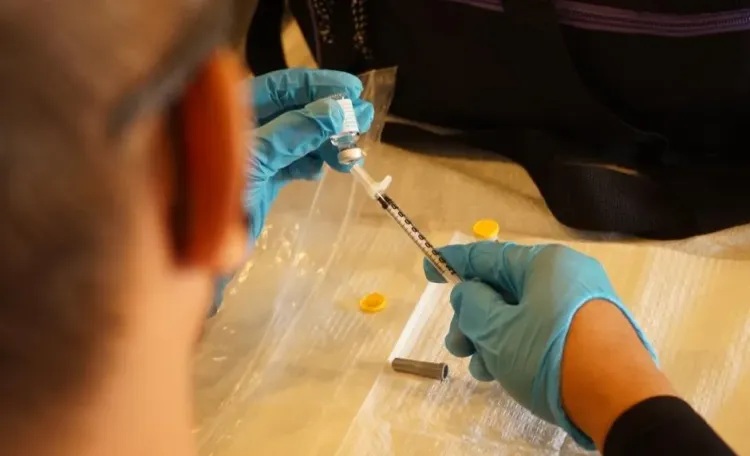
“The HPV vaccine, recommended for adolescents before they become sexually active, can avert the majority of cervical cancer cases by guarding against the most oncogenic HPV strains. When widely implemented, vaccination programs can substantially lower HPV infections, precancerous lesions, and future cancer occurrences,” Modi explained to IANS.
The HPV vaccine is recognized as very safe and thoroughly tested. Minor side effects, such as pain at the injection site, redness, or mild fever for a day, can occur, comparable to other vaccines. There are no significant side effects, she clarified.
It is advised that girls aged 9 to 14 years receive the vaccine in two doses. For those older than this age, three doses are necessary. According to the WHO, even a single dose can offer protection for up to 20 years.
In addition to vaccination, maintaining good menstrual hygiene and overall health is vital.
In around 90 percent of cases, HPV infections resolve on their own within two years.
Screening is equally vital. Tests like pap smears and HPV DNA testing can identify precancerous alterations in the cervix long before they progress to invasive cancer. AIIMS Delhi has also initiated a month-long free screening program for cervical cancer.
“Cancer typically develops over a span of 15-20 years, providing ample time for screening and intervention,” Pathak stated, emphasizing that timely screening helps identify changes before cancer manifests. AIIMS Delhi is offering a month-long free cervical cancer screening initiative.
Symptoms usually present late; however, by that time, the cancer is often advanced.
Late-stage symptoms may encompass post-menopausal bleeding, bleeding between periods, excessive white discharge, abdominal pain, or lower back pain. While these symptoms do not always indicate cancer, they should never be disregarded, Pathak warned IANS.
Point of View
It is imperative that we prioritize awareness and prevention regarding cervical cancer. The statistics are alarming, and the solution lies in education and timely medical intervention. The NationPress remains committed to advocating for women's health and ensuring that essential information reaches those who need it most.
NationPress
1 Oct 2026
Frequently Asked Questions
What is cervical cancer?
Cervical cancer is primarily caused by the Human Papillomavirus (HPV), which infects the cervix. While not all HPV infections lead to cancer, testing is necessary to detect any harmful changes.
How can cervical cancer be prevented?
Cervical cancer can largely be prevented through a combination of vaccination, screening, and early treatment. The HPV vaccine is particularly effective when administered before the onset of sexual activity.
What are the symptoms of cervical cancer?
Symptoms of cervical cancer may include post-menopausal bleeding, bleeding between periods, excessive white discharge, abdominal pain, or lower back pain. It's crucial to consult a healthcare provider if these symptoms arise.
Is the HPV vaccine safe?
Yes, the HPV vaccine is well-tested and has been shown to be safe. Minor side effects may occur, but there are no significant concerns.
Who should get the HPV vaccine?
It is recommended for girls aged 9 to 14 years, who should receive two doses. Individuals above this age need three doses for effective protection.