Can School-Based HPV Vaccination Programs Enhance Herd Immunity?
Synopsis
A groundbreaking study reveals that school-based HPV vaccination programs not only protect vaccinated individuals but also contribute to herd immunity, benefiting unvaccinated women. This research underscores the importance of universal vaccination efforts in reducing cervical cancer risk.
Key Takeaways
School-based HPV vaccination can enhance herd immunity.
Unvaccinated women benefit from the vaccination of their peers.
The study analyzed data from over 800,000 women .
Findings support universal vaccination initiatives.
Policy changes could lead to improved public health outcomes.
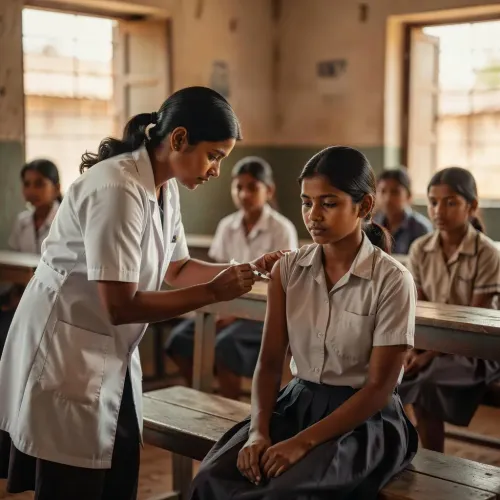
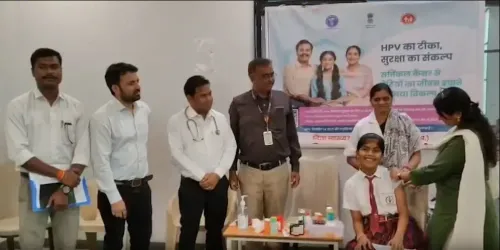
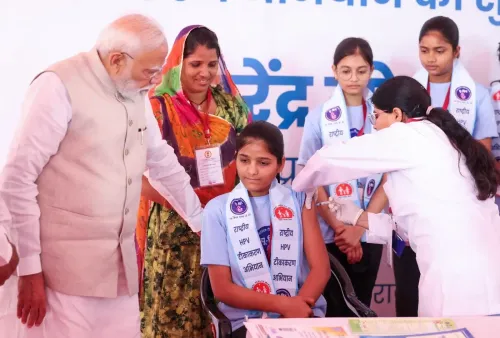
New Delhi, Jan 6 (NationPress) A recent study indicates that school-based immunization against human papillomavirus (HPV) may provide a protective effect against pre-cancerous cell development in unvaccinated women through herd immunity, as reported in The Lancet Public Health journal on Tuesday.
HPV is a prevalent sexually transmitted infection and is the leading cause of cervical cancer.
While HPV vaccination significantly lowers the risk of severe cervical changes in vaccinated individuals, its protective effects on unvaccinated individuals have been less understood.
“Implementing school-based HPV vaccination programs is crucial as a cost-effective approach to mitigate cervical disease and cancer risk not only for vaccinated individuals but for the entire community,” stated Eva Meglic from the Karolinska Institutet.
“This research demonstrates that achieving herd immunity is possible with high coverage of HPV vaccination,” the researcher added.
The study utilized data from the Swedish national health registry, examining over 800,000 unvaccinated women born between 1985 and 2000.
It compared the incidence of pre-cancerous changes in the cervix across different birth cohorts subjected to various HPV vaccination strategies in Sweden: opportunistic vaccination (1985-1988), subsidized programs (1989-1992), catch-up programs (1993-1998), and school-based vaccination (1999-2000).
Findings revealed that unvaccinated women born in 1999 and 2000, who were raised alongside vaccinated peers through a school-based initiative, faced approximately half the risk of developing serious precancerous changes in the cervix compared to unvaccinated women born between 1985 and 1988, when vaccination rates were lower and only available to those who actively sought it.
However, the researchers noted that being an observational study, the results could be influenced by other variables, such as differences in sexual behavior, cervical screening participation, testing practices, and healthcare access among different birth cohorts.
Nonetheless, from a policy perspective, these findings advocate for ongoing investment in universal vaccination programs, particularly those aimed at school-aged populations, to maximize health benefits, according to the researchers.
Point of View
I believe this study highlights a vital public health strategy. The implications of enhancing herd immunity through school-based HPV vaccination programs can significantly impact future cancer prevention efforts. It is essential that we continue to advocate for and implement these programs to ensure comprehensive protection for our communities.
NationPress
28 Sept 2026
Frequently Asked Questions
How does herd immunity work?
Herd immunity occurs when a significant portion of a population becomes immune to a disease, thereby providing indirect protection to those who are not immune.
What are the benefits of school-based vaccination programs?
School-based vaccination programs are cost-effective and help increase vaccination coverage, thereby protecting both vaccinated and unvaccinated individuals from diseases like HPV.
What were the key findings of the study?
The study found that unvaccinated women born in 1999 and 2000, who grew up with vaccinated peers, had a significantly lower risk of developing pre-cancerous cervical changes.
Why is ongoing HPV vaccination important?
Ongoing HPV vaccination is crucial for reducing cervical cancer risk and achieving higher levels of herd immunity in the population.