Can the HPV Vaccine Prevent Precancerous Lesions in Girls and Women?
Synopsis
Discover how the HPV vaccine can significantly reduce the risk of precancerous lesions in girls and women. This groundbreaking study reveals the benefits of early vaccination and its impact on women's health.
Key Takeaways
The HPV vaccine significantly reduces the risk of high-grade precancerous lesions.
Early vaccination is crucial for maximum effectiveness.
A 57% reduction in precancer rates was observed in young vaccinated women.
HPV is responsible for a significant number of cancer cases worldwide.
Vaccination can also provide herd immunity effects.
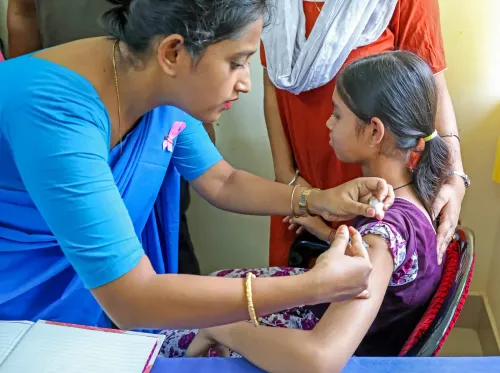
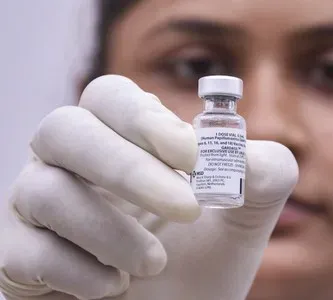
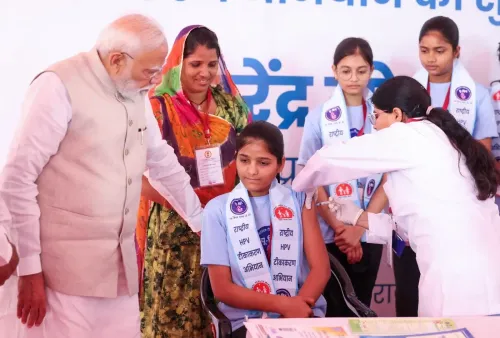
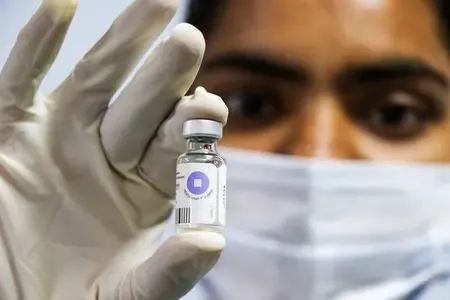
New Delhi, Dec 20 (NationPress) The Human papillomavirus (HPV) vaccine, widely recognized for its role in preventing cervical cancer, also plays a crucial part in protecting against precancerous lesions of the vulva and vagina among girls and women, as demonstrated by a recent study.
The research, featured in JAMA Oncology, revealed that women who received at least one dose of the quadrivalent HPV vaccine experienced a 37% reduction in the incidence of high-grade vulvovaginal lesions compared to those who were unvaccinated.
Notably, the reduction was especially significant among women vaccinated between the ages of 10 to 16, showing a 57% decrease in rates of vaginal or vulvar precancers compared to their unvaccinated counterparts.
“These findings underline the essential importance of early initiation of HPV vaccination. The increased risk reduction observed in younger women may stem from their lower likelihood of prior HPV exposure before vaccination,” stated researchers from the Karolinska Institutet in Sweden.
The study involved a cohort of 778,943 women born between 1985 and 1998, residing in Sweden from 2006 to 2022.
During the follow-up period, vaccinated women had 98 cases of high-grade vulvovaginal lesions, while unvaccinated women had 547 cases.
When comparing the two groups, the fully adjusted incidence rate ratio of high-grade vulvovaginal lesions was 0.63 in vaccinated women.
Vulvar and vaginal lesions encompass a range of skin changes (including bumps, sores, cysts, and discoloration) around the genital area, which can be benign (such as infections and cysts) or precancerous (VIN) and cancerous. Symptoms may include itching, pain, burning sensations, or discharge.
Identifying vulvar and vaginal lesions at their precancerous stages is vital, as early detection significantly increases the chances of successful treatment.
HPV stands as the most prevalent sexually transmitted infection worldwide, responsible for over 690,000 new cancer cases annually. It is the leading cause of cervical cancer and contributes to various other genital and head and neck cancers in both genders.
Moreover, a recent study indicated that the HPV vaccine could offer substantial herd immunity effects, providing protection even to young women who did not receive the vaccine.
Point of View
I emphasize the importance of the HPV vaccine in enhancing women's health. The findings from this study underscore the critical need for early vaccination to prevent serious health issues. It is imperative that we promote awareness and accessibility of HPV vaccinations to protect future generations.
NationPress
25 Sept 2026
Frequently Asked Questions
What is the HPV vaccine?
The HPV vaccine is designed to prevent infections caused by the human papillomavirus, which can lead to various cancers, including cervical cancer.
At what age should girls receive the HPV vaccine?
It is recommended that girls receive the HPV vaccine between the ages of 9 and 14 for maximum effectiveness.
Can the HPV vaccine prevent cancers other than cervical cancer?
Yes, the HPV vaccine can also help prevent cancers of the vulva, vagina, anus, and some head and neck cancers.
Is the HPV vaccine safe?
Extensive research has shown that the HPV vaccine is safe, with common side effects being mild and temporary.
How effective is the HPV vaccine in preventing precancerous lesions?
Studies have shown that the HPV vaccine can significantly reduce the incidence of high-grade precancerous lesions in vaccinated individuals.