Why Does Pakistan Still Impose a 40% Tax on Menstrual Pads?
Synopsis
Discover why Pakistan still imposes a staggering 40% tax on menstrual pads, considering them luxury items while many countries have moved to eliminate such taxes. This article explores the implications on menstrual health, ongoing petitions, and contrasts with India's progressive stance.
Key Takeaways
Pakistan imposes a 40% tax on menstrual pads.
Menstrual products are classified as luxury items.
Advocates are pushing for policy changes.
India has made menstrual hygiene products tax-exempt .
UNICEF reports no national strategy for menstrual health.
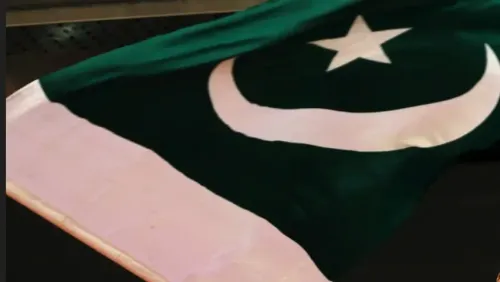
New Delhi, Jan 16 (NationPress) In Pakistan, menstrual pads are classified as a luxury item, and the government persists in levying a 40% tax on these essential period products, according to a recent media report.
While menstrual health has become a crucial topic globally, with countries like Malawi and Ethiopia working diligently over the past five years to eliminate various taxes and import duties, Pakistan continues to categorize menstrual pads as luxury goods, as highlighted by NPR.org.
“In Pakistan, period products are subjected to a luxury tax. They are not treated as regular sales items nor are they exempted as essential goods,” the report states.
A 2025 report from UNICEF indicates that there is “no national policy, plan, or strategy for menstrual health and hygiene” in the country.
Bushra Mahnoor, the executive director at Mahwari Justice, a nonprofit organization in Pakistan advocating for menstrual health, informed NPR that the country’s Constitution “exempts numerous products considered essential, such as medical supplies and cattle semen, while period products do not receive similar consideration. Instead, they are burdened with almost 40% tax.”
In 2025, Mahnoor’s organization collected over 10,000 signatures for a petition aimed at abolishing the luxury tax on menstrual products. A lawsuit was also initiated in September to redefine menstrual products from luxury to essential items. However, due to the country's unstable political and judicial environment, the petitioners are still awaiting a court hearing date, the report mentioned.
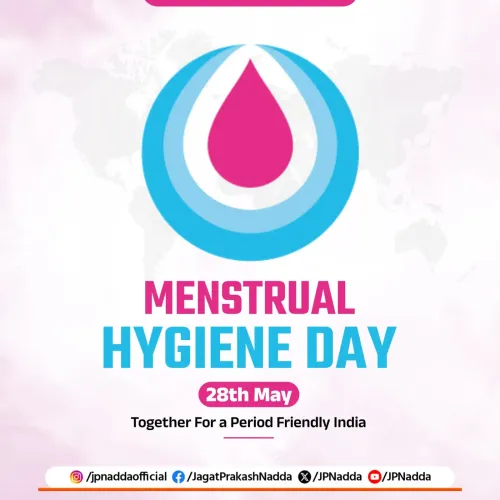
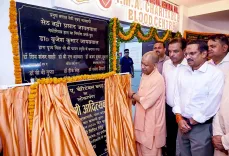
In contrast, India eliminated the menstrual tax in July 2018, making such products 100% tax-exempt to enhance affordability and accessibility, particularly for improving girls' education.
This decision removed a 12% tax, recognizing menstrual hygiene items as essential rather than luxury goods.
Point of View
It is integral to highlight the challenges faced by women in Pakistan regarding menstrual products. The ongoing taxation of these essential items is a stark reminder of the need for policy reforms that prioritize women's health and well-being. Our nation must advocate for change and support initiatives that aim to eliminate such burdensome taxes.
NationPress
16 Sept 2026
Frequently Asked Questions
Why does Pakistan impose a tax on menstrual pads?
Pakistan categorizes menstrual pads as luxury items, leading to a 40% tax on these essential products.
What are the implications of this tax?
The tax affects women's access to menstrual hygiene products, impacting their health and education.
Has there been an effort to change this tax policy?
Yes, advocates have filed petitions and lawsuits to reclassify menstrual products as essential items.