What Reforms Will PM Modi Unveil at IMW 2025?
Synopsis
Prime Minister Modi prepares to unveil significant reforms at IMW 2025, focusing on sustainability and innovation in the maritime sector. The event gathers global leaders to discuss the future of maritime trade and climate action, making it a pivotal moment for India's maritime ambitions.
Key Takeaways
Prime Minister Modi to announce reforms at IMW 2025.
Global leaders gather to discuss the future of the maritime sector.
Focus on sustainability, innovation, and climate responsibility.
Over 85 countries participating, showcasing India's maritime ambitions.
Commitment to achieving Net Zero by 2070.
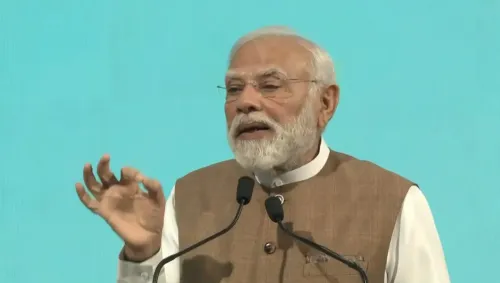
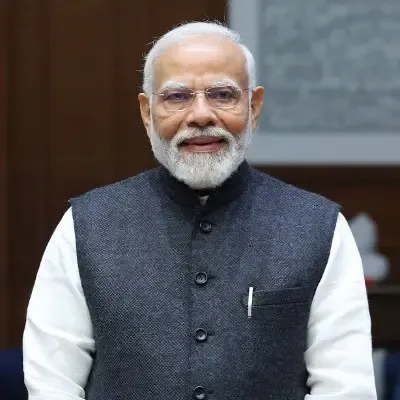
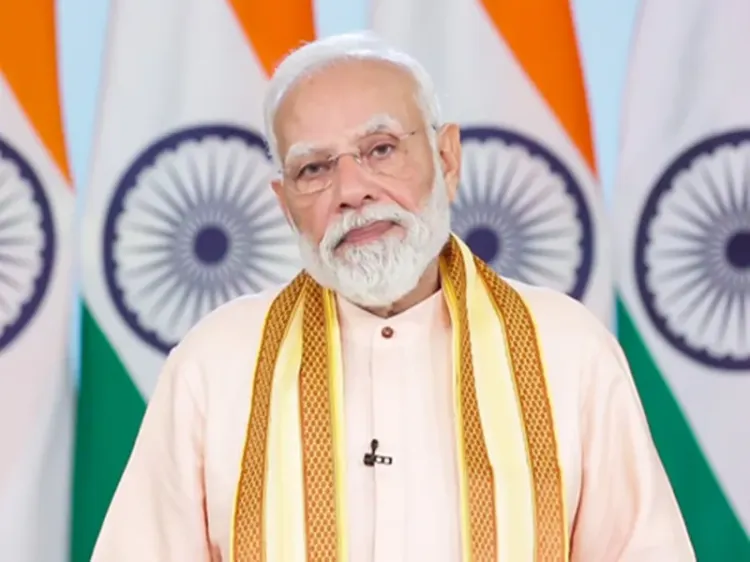
Mumbai, Oct 29 (NationPress) Prime Minister Narendra Modi is set to address the Maritime Leaders Conclave and preside over the Global Maritime CEO Forum at the ongoing India Maritime Week (IMW) 2025 this Wednesday, where he will outline various reforms aimed at transforming the maritime sector.
The Global Maritime CEO Forum, a highlight of IMW 2025, will convene CEOs from leading global maritime companies, significant investors, policymakers, innovators, and international collaborators to discuss the future of the global maritime landscape. This forum aims to facilitate discussions on sustainable maritime growth, resilient supply chains, green shipping, and strategies for an inclusive blue economy.
In a post on X, PM Modi expressed his anticipation for the events in Mumbai on October 29, stating, "I am eager to participate in the programs at the India Maritime Week 2025, where I will address the Maritime Leaders Conclave and chair the Global Maritime CEO Forum. This platform fosters collaborations in the maritime industry and showcases India's reform initiatives."
The Prime Minister's engagement underscores his strong commitment to a visionary, future-focused maritime transformation that aligns with the Maritime Amrit Kaal Vision 2047. This long-term vision is grounded on four strategic pillars: port-led development, shipping and shipbuilding, seamless logistics, and maritime skill development, aiming to position India among the world's premier maritime nations.
IMW 2025 is the Union government’s premier global platform to turn this vision into reality, gathering key stakeholders from shipping, ports, shipbuilding, cruise tourism, and blue economy finance, as mentioned in the government release.
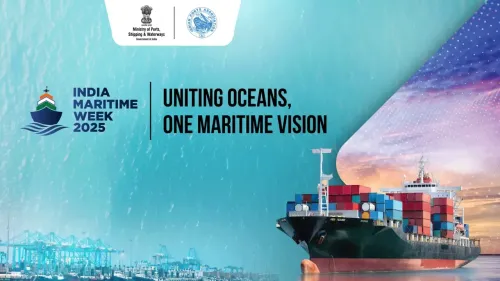
Under the theme 'Uniting Oceans, One Maritime Vision', the conclave commenced on October 27 and will run until October 31. It aims to showcase India’s strategic approach to becoming a global maritime hub and a leader in the blue economy.
IMW 2025 anticipates participation from over 85 countries, with more than 100,000 delegates, over 500 exhibitors, and 350 international speakers.
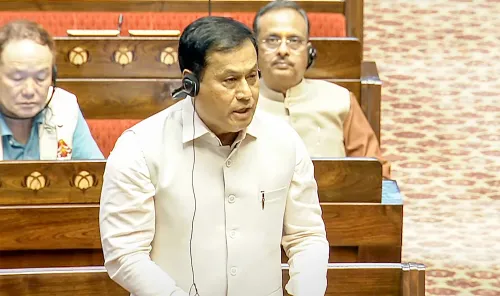
Meanwhile, Union Minister for Ports, Shipping and Waterways, Sarbananda Sonowal, emphasized that India's maritime sector is crucial to the economy, with over 95 percent of the nation’s trade by volume transported via sea. Under India’s commitment to Net Zero by 2070, the country aims to cut carbon emissions per ton of cargo by 30 percent by 2030 and 70 percent by 2047, positioning the sector as a key player in climate initiatives.
Minister Sonowal highlighted flagship initiatives such as the Sagarmala Programme, Maritime India Vision 2030, Harit Sagar Guidelines, and the Maritime Amrit Kaal Vision 2047, which prioritize sustainability, innovation, and climate responsibility in India's maritime development.
"As we look towards Amrit Kaal 2047, our aim is not just to enhance maritime capacity but to ensure it is greener, smarter, and more resilient," Minister Sonowal remarked.
"Given our unique location along key global trade routes, India is on track to become a hub for green shipping corridors, linking domestic and international markets through clean energy trade," he continued.
India's inaugural national shore-power standard will allow vessels to utilize clean electricity while docked, significantly lowering port-side emissions. Ports like the Jawaharlal Nehru Port Authority (JNPA) are leading the charge with battery-powered trucks and electric logistics systems aimed at achieving zero-emission operations.
"The maritime transition requires a collaborative effort—partnerships between governments, industry, financiers, and technology leaders are essential," Minister Sonowal stated.
"Together, we can ensure that the oceans that connect us also unify us in our goals—to forge a future where maritime trade fuels both prosperity and sustainability," he concluded.
Point of View
It is crucial to highlight that India's maritime sector is at a transformative juncture. The reforms being introduced not only aim to strengthen India's position in global trade but also emphasize sustainability and innovation, which are essential for future growth. This commitment to building a resilient maritime economy aligns with national priorities and global climate goals.
NationPress
7 Oct 2026
Frequently Asked Questions
What is the main purpose of IMW 2025?
IMW 2025 serves as a global platform for discussing reforms in the maritime sector, focusing on sustainable growth and innovation while uniting international leaders in the field.
Who will be participating in the Global Maritime CEO Forum?
The forum will include CEOs of global maritime companies, investors, policymakers, and innovators who will collaborate on the future of the maritime ecosystem.
What are the key themes of IMW 2025?
The key themes include sustainable maritime growth, resilient supply chains, green shipping, and strategies for an inclusive blue economy.
How many countries are expected to participate?
Participation is expected from over 85 countries, featuring more than 100,000 delegates, 500 exhibitors, and over 350 international speakers.
What initiatives are being promoted for sustainability?
Key initiatives include the Sagarmala Programme, Maritime India Vision 2030, and the Maritime Amrit Kaal Vision 2047, all aimed at enhancing sustainability within the maritime sector.