Could a Higher Consumption of Processed Foods with Preservatives Elevate Cancer Risks?
Synopsis
A recent study reveals a concerning link between the consumption of processed foods containing preservatives and an increased risk of cancer. This research calls for urgent attention to the safety of food additives as it highlights the potential dangers these substances pose to public health.
Key Takeaways
Processed foods with preservatives can potentially increase cancer risk.
Specific preservatives like potassium sorbate and sodium nitrite are linked to higher cancer rates.
The study involved over 105,000 participants.
Continued research is needed to assess the safety of food additives.
Public health recommendations emphasize reducing processed meat and alcohol intake.
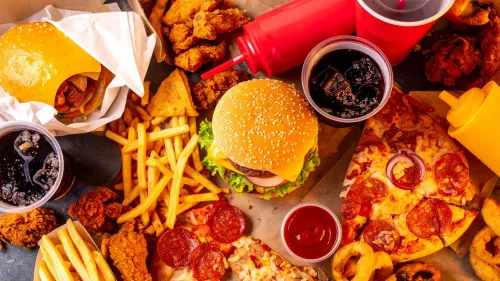
New Delhi, Jan 8 (NationPress) Individuals consuming a greater quantity of industrially processed foods and drinks containing preservatives, typically used to prolong shelf-life, may face an increased risk of cancer, as indicated by a recent study.
This research, featured in The BMJ, revealed that elevated consumption of various preservatives (primarily non-antioxidants, such as potassium sorbate, potassium metabisulfite, sodium nitrite, potassium nitrate, and acetic acid) was linked to a heightened risk of cancers compared to non-consumers or those with lower consumption.
For instance, total sorbates, particularly potassium sorbate, were correlated with a 14 percent rise in overall cancer risk and a 26 percent increase in breast cancer risk, while total sulfites were tied to a 12 percent increase in overall cancer risk.
Sodium nitrite was associated with a 32 percent higher risk of prostate cancer, while potassium nitrate was linked to a 13 percent increased risk of overall cancer and a 22 percent increase in breast cancer.
The total acetates were found to be associated with a 15 percent increase in overall cancer risk and a 25 percent rise in breast cancer, while acetic acid was linked to a 12 percent increase in overall cancer risk.
Among antioxidant preservatives, only total erythorbates and specific sodium erythorbate showed a connection with a higher incidence of cancer.
“This study provides new perspectives for the future reassessment of the safety of these food additives by health organizations, considering the trade-off between benefits and risks for food preservation and cancer,” stated the research team from Université Paris Cité, France.
“At the personal level, public health recommendations are already more conclusive regarding the reduction of processed meat and alcohol consumption, offering practical measures even as evidence regarding the carcinogenic effects of preservatives continues to evolve,” they emphasized.
While further research is necessary to deepen understanding of these potential risks, the researchers noted that many of these compounds may affect immune and inflammatory processes, potentially triggering cancer development.
The study analyzed 105,260 participants aged 15 and older who were cancer-free. A total of 17 individual preservatives were evaluated, including citric acid, lecithins, total sulfites, ascorbic acid, sodium nitrite, potassium sorbate, sodium erythorbate, sodium ascorbate, potassium metabisulfite, and potassium nitrate.
During the follow-up phase, 4,226 participants were diagnosed with cancer, including 1,208 cases of breast cancer, 508 cases of prostate cancer, 352 cases of colorectal cancer, and 2,158 cases of other types of cancer.
Point of View
It's imperative to recognize the gravity of this study. The findings present a crucial opportunity for public discourse on food safety and health. With the increasing prevalence of processed foods in our diets, we must advocate for transparency and safety in food production, empowering consumers to make informed choices.
NationPress
19 Sept 2026
Frequently Asked Questions
What preservatives were studied?
The study analyzed various preservatives, including potassium sorbate, sodium nitrite, and acetic acid, among others.
How does processed food consumption relate to cancer?
Increased consumption of processed foods containing certain preservatives has been linked to a higher risk of various cancers.
What should consumers do in light of this study?
Consumers are encouraged to be mindful of their intake of processed foods and to consider reducing their consumption of foods containing preservatives.
Is more research needed?
Yes, further studies are necessary to fully understand the implications and mechanisms by which these preservatives may affect cancer risk.
Who conducted the study?
The research was conducted by a team from Université Paris Cité, France.