NITI Aayog Highlights Risks of Diet Changes to Gut Health; India at Forefront of Probiotic Innovation

Synopsis
India's traditional fermented foods are key to combating the rise of ultra-processed diets that threaten gut health, according to NITI Aayog's Rajiv Gauba. He urges a return to nutrient-rich diets and emphasizes the potential of probiotics in enhancing public health.
Key Takeaways
Ultra-processed diets pose a risk to gut health.
Probiotics have the potential to improve public health.
India can lead the global probiotic movement .
Government initiatives are reducing healthcare costs .
Microbiome research is advancing towards precision medicine .
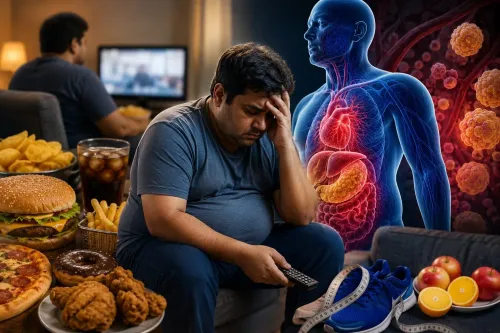
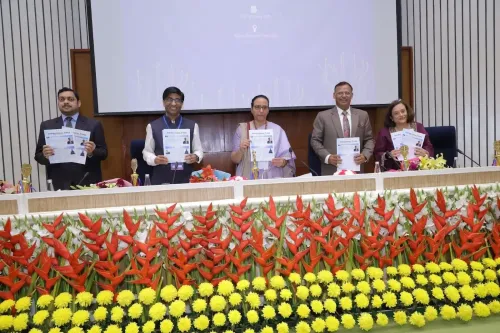
New Delhi, March 28 (NationPress) Rajiv Gauba, a member of NITI Aayog, emphasized that India's abundance of fermented foods should be leveraged to counteract the dangerous trend towards ultra-processed diets that jeopardize gut health and overall public health. This statement was made during a symposium focused on probiotics.
During the event organized by the Gut Microbiota and Probiotic Science Foundation, Gauba noted that food choices influenced by social media, along with evolving lifestyles and the surge of quick commerce, are pushing society away from traditional, nutrient-rich diets, as highlighted in a recent statement from NITI Aayog.
He warned that these shifts could lead to severe long-term implications for gut health, pointing out that approximately 56.4% of India's disease burden is linked to unhealthy or unbalanced diets.
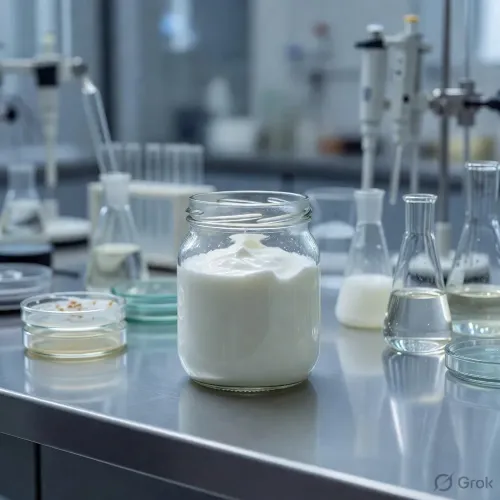
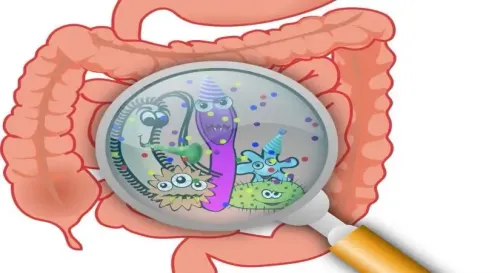
Given India's rich tradition of fermented foods and its dietary practices, Gauba believes the nation is poised to spearhead the global probiotic movement by integrating traditional wisdom with advancements in genomic and microbiome research to create clinically validated probiotics.
He emphasized the significant public health benefits that probiotics can offer in mitigating both infectious and chronic diseases, enhancing nutrition, and boosting community immunity.
Gauba remarked, "Micro-organisms can lead to significant outcomes," urging healthcare professionals and researchers to challenge misleading claims within the probiotics and supplements market.
He referenced government initiatives like Ayushman Bharat, PM-JAY, PM Bhartiya Janaushadhi Pariyojana, and Ayushman Arogya Mandirs, noting a decline in out-of-pocket health expenditures from 62.6% to 39.4% between FY15 and FY22, resulting in over Rs 1.25 lakh crore in savings for households.
Gauba asserted that realizing India's demographic dividend necessitates a healthy workforce, especially as the proportion of elderly individuals increases.
He called on healthcare providers to prescribe more affordable generic medications and to utilize digital health innovations, telemedicine, data analytics, and AI to enhance access to specialist care in underserved areas.
Gauba also noted the evolution of microbiome science from basic studies to mechanistic and translational research, highlighting emerging areas such as next-generation microbiome-based therapies, synthetic biology, and CRISPR-enabled engineering of probiotic strains designed for targeted anti-inflammatory and metabolic functions in precision medicine.
Point of View
The insights shared by Rajiv Gauba reflect a pressing need to address the dietary changes impacting public health. As India navigates the challenges posed by modern dietary trends, leveraging its rich heritage of fermented foods can be pivotal in fostering a healthier population.
NationPress
10 Oct 2026
Frequently Asked Questions
What is the risk of ultra-processed diets?
Ultra-processed diets are linked to various health issues, including gut health deterioration and increased disease burden due to imbalanced nutrition.
How can probiotics improve health?
Probiotics can help reduce the incidence of infectious and chronic diseases, enhance nutritional absorption, and strengthen the immune system.
What initiatives are improving healthcare access in India?
Initiatives like Ayushman Bharat and PM-JAY have significantly reduced out-of-pocket health expenses, making healthcare more accessible for many households.
Why are fermented foods important?
Fermented foods are rich in probiotics and can play a crucial role in maintaining gut health and overall wellness.
How is India positioned in the global probiotic market?
India's expertise in traditional fermented foods and emerging research makes it uniquely positioned to lead in the global probiotic movement.