RBI's MPC Meeting Kicks Off: Repo Rate Expected to Stay Steady Amid West Asia Tensions
Synopsis
The Reserve Bank of India begins its MPC meeting amid global tensions and rising oil prices. Analysts predict a steady repo rate, but all eyes are on the central bank's inflation and growth projections.
Key Takeaways
The RBI's MPC meeting is underway, with expectations of a steady repo rate.
Rising crude oil prices and geopolitical tensions are key factors influencing the meeting.
Focus will be on the RBI's inflation and GDP growth projections.
Experts suggest potential use of tools like 'Operation Twist' for market stability.
Liquidity management remains crucial for supporting the rupee amidst volatility.
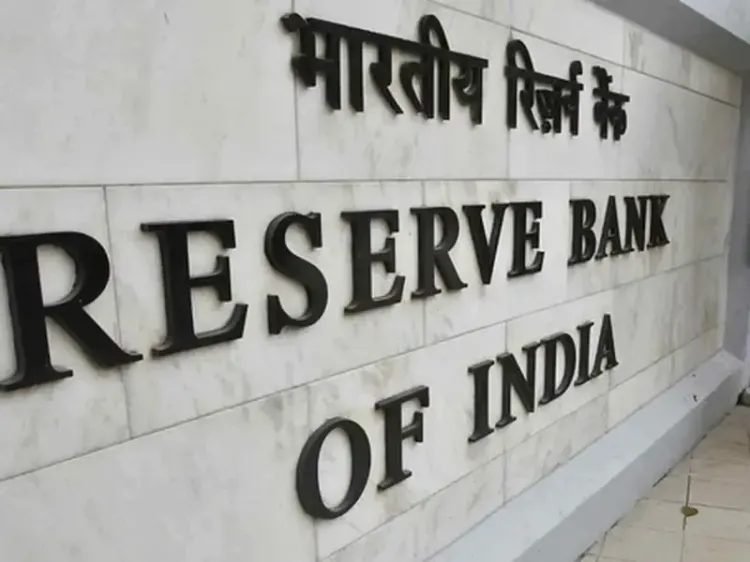
New Delhi, April 6 (NationPress) The Reserve Bank of India (RBI) commenced its three-day Monetary Policy Committee (MPC) meeting on Monday, with a consensus among analysts that the central bank will likely maintain the repo rate at its current level amidst escalating tensions in West Asia.
This meeting, running from April 6 to April 8, coincides with a period of rising crude oil prices and global geopolitical instability, which has created a murky inflation outlook.
While expectations lean towards a stable policy stance, experts are paying close attention to the RBI's commentary regarding inflation, economic growth, and anticipated interest rate movements.
According to Madan Sabnavis, Chief Economist at Bank of Baroda, "We do not foresee any urgent liquidity or currency management actions, as the RBI has been proactive when necessary."
Analysts highlighted the significance of the RBI’s updated GDP growth and inflation forecasts, particularly since Brent crude prices hovered near $100 per barrel in March amidst the ongoing energy crisis.
Some analysts warned that, although the cycle of rate cuts seems to have concluded, a rate increase later in the fiscal year cannot be dismissed if inflation exceeds the upper tolerance threshold of 6 percent.
HSBC Global Investment Research stated that the primary focus of this policy meeting will be on communication strategies to mitigate concerns stemming from the oil price surge. Despite the recent shocks, the economists believe that immediate rate hikes are unlikely, as the RBI is expected to concentrate on the one-year inflation forecast, which could remain relatively stable.
Additionally, a study by SBI Research suggested that the central bank might need to consider tools like "Operation Twist" to manage yields and ensure stability in the financial markets while addressing external pressures.
Soumya Kanti Ghosh, Group Chief Economic Adviser at State Bank of India, remarked, "India is not shielded from the current crisis, with the rupee depreciating and elevated crude oil prices resulting in imported inflationary pressures."
He emphasized that liquidity conditions may require careful management to support the rupee amid the persistent volatility.
Recently, the central bank has been active in managing liquidity, engaging in Open Market Operations (OMO) to purchase government securities and conducting Variable Rate Repo (VRR) auctions to inject liquidity into the banking system.
In December 2025, the RBI had reduced rates by a total of 25 basis points to 5.25 percent, a measure that most economists believe has reached its limit.
Point of View
It's evident that the RBI's current stance on interest rates reflects a cautious approach amidst global uncertainties. While maintaining stability is crucial, the evolving geopolitical landscape and inflationary pressures necessitate careful monitoring and strategic communication from the central bank.
NationPress
15 Sept 2026
Frequently Asked Questions
What is the expected outcome of the RBI's MPC meeting?
Analysts largely anticipate that the RBI will maintain the current repo rate amid ongoing geopolitical tensions and rising crude oil prices.
How might the RBI's decisions impact inflation?
The RBI's commentary on inflation and growth will be closely monitored, as any changes in rates could significantly influence the inflation outlook.
What tools might the RBI consider to manage financial stability?
The RBI may explore options like 'Operation Twist' to manage yields and stabilize the financial markets amid external pressures.