RBI MPC meet begins: Repo rate hold likely as inflation, oil risks loom
Synopsis
The RBI's June policy is less about the rate and more about the message. With West Asia tensions rattling crude, monsoon risk to food prices, and FY27 growth hinging on whether oil stays below $90, Governor Sanjay Malhotra's tone on Friday will signal whether India is bracing for a longer pause — or quietly preparing for cuts in late 2026.
Key Takeaways
The RBI MPC began its three-day meet on 3 June ; decision due Friday .
Governor Sanjay Malhotra is widely expected to hold the repo rate steady.
HSBC sees inflation potentially nearing 5% vs the earlier 4.6% estimate if crude rises.
CareEdge projects FY27 GDP at 6.7% at $90 oil; closer to 6% if Brent hits $110.
SBI Research pegs FY26 growth at 7.5% and FY27 at 6.6% .
Markets are pricing in around two rate cuts starting Q4 2026.
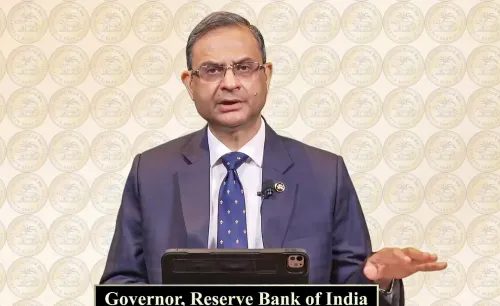
The Reserve Bank of India's (RBI) Monetary Policy Committee (MPC) began its three-day policy review on Wednesday, 3 June, with most economists expecting the central bank to hold the repo rate steady amid volatile global conditions and rising tensions in West Asia. Governor Sanjay Malhotra will announce the policy decision on Friday.
Why a status quo is expected
The June review unfolds against sustained geopolitical strain and choppy global crude and gas prices, which have muddied the inflation-growth outlook. While economists broadly expect rates to stay unchanged, many anticipate a more cautious — even mildly hawkish — communication, reflecting persistent external headwinds.
According to HSBC chief India economist Pranjul Bhandari, the RBI is likely to remain in a holding pattern in the near term, with a gradual tightening bias emerging over time. Markets, she noted, are pricing in roughly two rate cuts beginning in the fourth quarter of 2026, rather than an aggressive tightening cycle.
Crude assumptions in focus
The RBI's updated forecasts will be closely watched for any revision to its crude oil assumption, which earlier stood near $85 per barrel. Bhandari said a higher base case could push inflation projections closer to 5%, against the earlier estimate of 4.6%.
An analysis by CareEdge Ratings flagged that inflation pressures have intensified on expectations of a below-normal monsoon and recent retail fuel price hikes, alongside the risk of a faster second-round pass-through from elevated wholesale price inflation to retail prices. The current uptick, it noted, is largely supply-driven rather than demand-led.
Growth scenarios
CareEdge projected FY27 GDP growth at 6.7% assuming crude averages around $90 per barrel, but warned that a prolonged conflict and oil near $110 per barrel could drag growth closer to 6%.
SBI Research also expects the RBI to hold the repo rate, citing a data-dependent approach amid persistent inflation risks. It pegged FY27 GDP at 6.6% and FY26 at around 7.5%, while warning that CPI inflation could stay above 5% for several quarters due to fuel price pressures and global shocks.
The dovish counterview
Emkay Global Financial Services similarly predicted a status quo, citing easing crude prices and an improved external account after a recent correction in Brent. Lower oil prices and any de-escalation in West Asia, the brokerage said, could support the rupee and enable a prolonged pause on policy rates.
What to watch on Friday
Beyond the rate call, markets will parse the MPC's stance language, revised inflation and growth projections, and Malhotra's commentary on liquidity and the rupee. The trajectory of Brent crude in the coming weeks could prove decisive in whether the next move is a calibrated cut or a longer pause.
Point of View
And that the easing window markets are pricing for late 2026 may shrink. India's macro is in a familiar bind: domestic disinflation is on track, but imported risk keeps resetting the goalposts. Malhotra's first major test is whether his communication can hold credibility without overcommitting in either direction.
NationPress
20 Sept 2026
Frequently Asked Questions
When will the RBI MPC announce its policy decision?
The Reserve Bank of India's Monetary Policy Committee will announce its decision on Friday, at the end of a three-day meeting that began on 3 June. Governor Sanjay Malhotra will deliver the policy statement.
Will the RBI cut the repo rate in this meeting?
Most economists, including those at HSBC, SBI Research and Emkay Global, expect the RBI to keep the repo rate unchanged. Markets are currently pricing in around two rate cuts beginning only in the fourth quarter of 2026.
How could West Asia tensions affect the RBI's decision?
Rising tensions in West Asia have pushed up crude and gas prices, complicating the inflation outlook. If the RBI revises its crude assumption above the earlier $85 per barrel, inflation projections could move closer to 5% from the existing 4.6% estimate.
What are the GDP growth projections for FY26 and FY27?
SBI Research pegs FY26 GDP growth at around 7.5% and FY27 at 6.6%. CareEdge Ratings projects FY27 growth at 6.7% if crude averages $90 per barrel, but warns growth could slip to around 6% if Brent sustains near $110.
What is driving the recent uptick in inflation?
According to CareEdge Ratings, the current rise is largely supply-driven, fuelled by expectations of a below-normal monsoon and recent retail fuel price hikes. There is also a risk of faster pass-through from elevated wholesale prices into retail inflation.