Could IIT Delhi and AIIMS's New Ingestible Device Revolutionize Microbial Sampling from the Small Intestine?
Synopsis
IIT Delhi and AIIMS have developed a revolutionary ingestible device that collects bacterial samples from the small intestine. This advancement offers unprecedented access to the human gut microbiome, potentially transforming our understanding of digestive health and disease. With implications for early disease detection and targeted therapies, this innovation marks a significant leap in medical research.
Key Takeaways
Innovative ingestible device developed for direct gut sampling Advances understanding of the human microbiome Potential for early disease detection and targeted treatments Collaboration between IIT Delhi and AIIMS Validated in animal models with promising results
In a groundbreaking announcement on December 16, researchers at IIT Delhi unveiled an innovative ingestible device capable of directly sampling bacteria from the small intestine, paving the way for deeper insights into the human gut microbiome.
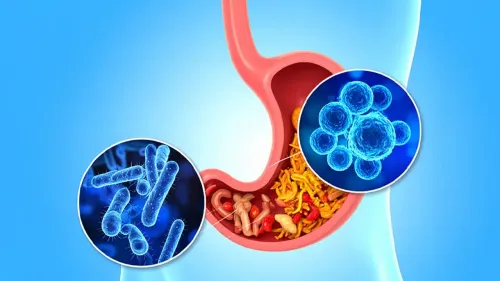
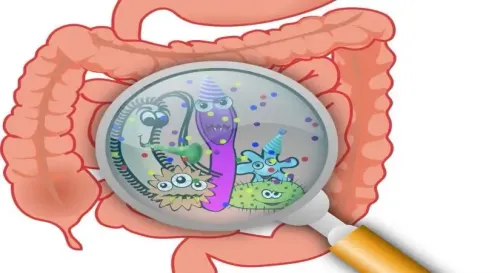
While not all bacteria are harmful, it is noteworthy that nearly half of the cells in the human body are microbial. These microorganisms inhabit our gut, aiding in food digestion, mood regulation, and immune system strengthening.
However, studying these microbes has posed significant challenges. Current methods are either invasive, like endoscopy or ileostomy, or indirect, relying on stool samples that fail to accurately represent conditions earlier in the digestive tract.
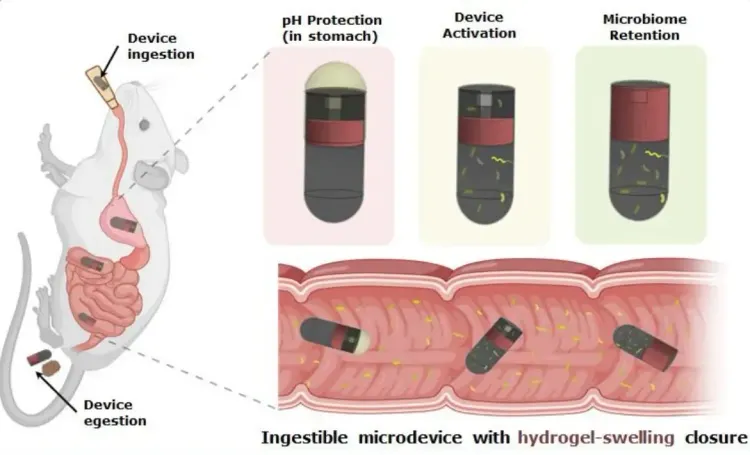
This new device, resembling a tiny pill, remains closed in the stomach and only opens in the intestine to collect bacterial samples. It then seals itself to protect the samples as they travel through the gut, as indicated by research conducted in collaboration with AIIMS, Delhi and supported by the Indian Council of Medical Research (ICMR).
“Describing the vast universe of living microbes within us as hidden is not just an exaggeration; it’s a scientific truth. Much like we deploy rovers to explore the cosmos, we require miniaturized devices to examine the inner workings of our bodies,” stated Prof. Sarvesh Kumar Srivastava, Principal Investigator at the Medical Microdevices and Medicine Laboratory (3MLab), CBME, IIT Delhi.
The prototype is designed to autonomously collect microbes from specific areas of the upper GI tract, enabling species-level identification of resident microbes and other biomarkers, according to Srivastava.
Constructed with an enteric-coated gelatin cap, this device is protected in the acidic environment of the stomach (pH 1-1.5) and disintegrates in the intestinal pH (3-5). It features an inlet connected to activation and sampling chambers, allowing for the entry of luminal fluid.
The gut-sampling technology, detailed in the journal Small, has been validated in animal models, utilizing a microdevice no larger than a grain of rice, demonstrating promising results without causing tissue damage or inflammation.
“The small intestine is vital for health and disease. Gaining insights into the microbes and chemicals released in this area could be crucial for early disease detection, chronic disease management, and the development of more targeted therapies,” remarked co-senior author Dr. Samagra Agarwal from the Department of Gastroenterology and Human Nutrition Unit at AIIMS New Delhi.
The researchers are committed to advancing this platform technology for the benefit of Indian patients in clinical settings, pending necessary approvals.
Point of View
It's vital to recognize the significance of IIT Delhi and AIIMS's pioneering research. This new ingestible device not only enhances our understanding of the human microbiome but also has the potential to transform diagnostic practices and treatment strategies in healthcare. The collaboration represents a remarkable fusion of technology and medicine, promising to improve patient outcomes significantly.
NationPress
29 Sept 2026
Frequently Asked Questions
What is the purpose of the ingestible device developed by IIT Delhi and AIIMS?
The device is designed to collect bacterial samples directly from the small intestine, providing insights into the human gut microbiome.
How does the device work?
Once swallowed, the device remains closed in the stomach and opens in the intestine to collect samples, then seals itself for safe passage through the gut.
What are the potential benefits of this technology?
This technology could lead to early disease detection, better monitoring of chronic diseases, and more targeted medical treatments.
What are the next steps for this device?
The researchers aim to advance this technology for clinical use in India after obtaining necessary approvals.
What makes this device different from existing methods?
Unlike current invasive or indirect methods, this device allows for direct sampling of microbes from the intestine without causing tissue damage.