Can Your Oral Bacteria Indicate the Risk of Chronic Liver Disease?
Synopsis
Discover how your oral bacteria could serve as a predictor for chronic liver disease risk. A new study highlights the significant influence of oral microbiomes on gut health, opening avenues for innovative therapeutic strategies. This research could change the way we approach liver disease management. Learn more about these groundbreaking findings!
Key Takeaways
Oral bacteria can influence gut health.
Chronic liver disease affects microbiome composition.
Targeting oral microbiome may provide new treatments.
Collagen-degrading enzymes can harm the gut barrier.
Evidence shows a link between oral health and systemic disease.
New Delhi, Jan 16 (NationPress) Recent research indicates that bacteria in your mouth can play a crucial role in influencing your gut health and may also serve as a predictor for the risk of chronic liver disease. Each year, over two million individuals fall victim to advanced chronic liver disease (ACLD).
The study, published in the journal Nature Microbiology, involved an analysis of bacterial populations in saliva and stool samples from 86 patients.
Researchers from the Technical University of Munich in Germany discovered that both the oral and gut microbiomes experience significant alterations as liver disease progresses; changes in the oral microbiome were detectable even in earlier stages of the disease.
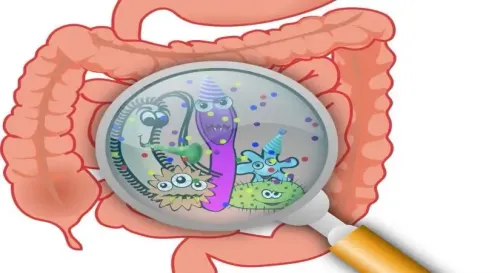
In individuals without health issues, bacterial communities vary greatly between different body sites. However, patients suffering from liver disease exhibited increasingly similar oral and gut microbiomes as their condition advanced, with nearly identical bacterial strains found in both the mouth and gut.
According to Melanie Schirmer, Professor of Translational Microbiome Data Integration at TUM, "These strains are generally found in the mouth and are seldom present in a healthy gut. Yet, we noted a rise in the absolute abundances of these oral bacteria in patients with advanced chronic liver disease." She emphasized that this suggests a translocation of these bacteria from the mouth to the gut.
The research team also identified multiple oral bacterial species that had colonized the guts of the patients. They found that increased levels of these bacteria in stool samples correlated with damage to the intestinal barrier.
Gene analysis revealed that these bacteria possess genes that encode collagen-degrading enzymes. The team validated these enzymes' activity by examining isolated bacteria from stool samples and synthesizing the enzyme.
As Aurelie Cenier, a doctoral researcher and co-first author, states, "Collagen breakdown can compromise the gut barrier, potentially allowing bacteria and their products to reach other organs, including the liver. We believe this may exacerbate the disease."
Dr. Vishal Patel from King's College London added, "Our findings pave the way for potential new therapeutic strategies for individuals with advanced chronic liver disease. Safeguarding or restoring the gut barrier could help slow disease progression, while targeting the oral microbiome might offer a means to positively influence the disease's trajectory and prevent clinical complications."
Point of View
It’s essential to recognize the emerging connections between oral health and systemic diseases like chronic liver disease. This study not only sheds light on the intricate relationship between different microbiomes but also suggests actionable insights for potential therapeutic interventions. It reinforces the importance of holistic health approaches in disease prevention.
NationPress
29 Sept 2026
Frequently Asked Questions
How can oral bacteria affect liver disease?
Oral bacteria can translocate to the gut and affect gut health, potentially worsening liver disease.
What is chronic liver disease?
Chronic liver disease refers to long-term liver damage that can lead to serious health complications and is often progressive.
How does the gut microbiome change with liver disease?
In patients with liver disease, the gut and oral microbiomes become increasingly similar as the disease progresses.
What are the implications of this study?
The findings suggest that targeting oral bacteria could open new therapeutic strategies for managing chronic liver disease.
What is the significance of collagen-degrading enzymes?
These enzymes can compromise the gut barrier, potentially allowing harmful bacteria to reach the liver, worsening the disease.