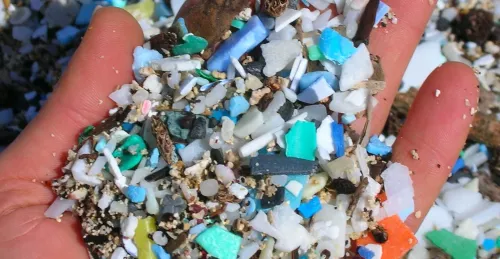
Microplastics Linked to Liver Disease Risk, Warn Researchers
Synopsis
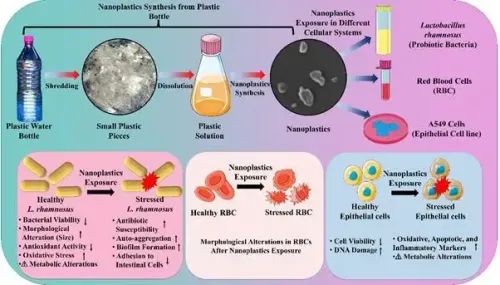
Scientists have confirmed that microplastics and nanoplastics trigger oxidative stress, inflammation, and fibrogenesis in animals — mirroring advanced human liver disease. With liver disease now causing 1 in 25 deaths globally, lead researcher Professor Shilpa Chokshi warns these particles may be silently amplifying liver injury in humans through everyday food, water, and air exposure.
Key Takeaways
Microplastics and nanoplastics have been confirmed to trigger oxidative stress, fibrogenesis, and inflammation in animal livers, mirroring advanced human liver disease.
The study was published in Nature Reviews Gastroenterology & Hepatology on April 23, 2025 , led by Professor Shilpa Chokshi , Director of the Centre of Environmental Hepatology.
Liver disease now accounts for 1 in 25 deaths globally , with its rapid rise not fully explained by traditional risk factors like obesity or alcohol.
Professor Richard Thompson OBE FRS of the University of Plymouth called plastic pollution "without question, a global environmental and health challenge." Plastics can transport carcinogenic additives, endocrine-disrupting chemicals, and antimicrobial resistance determinants directly into the human system via the liver.
Researchers identified significant methodological gaps and technical challenges currently blocking definitive proof of plastic-induced liver injury in humans, calling for urgent large-scale studies.
New Delhi, April 23: Microplastics and nanoplastics pose a serious threat to liver health, according to new research published in the prestigious Nature Reviews Gastroenterology & Hepatology journal. Scientists confirmed on Thursday, April 23 that exposure to these tiny plastic particles triggers oxidative stress, fibrogenesis, and inflammation in animals — conditions that closely mirror the hallmarks of advanced liver disease in humans. The findings have intensified global concern over plastic pollution as a direct public health crisis.
How Microplastics Reach and Damage the Liver
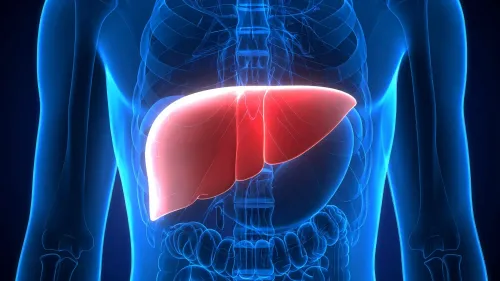
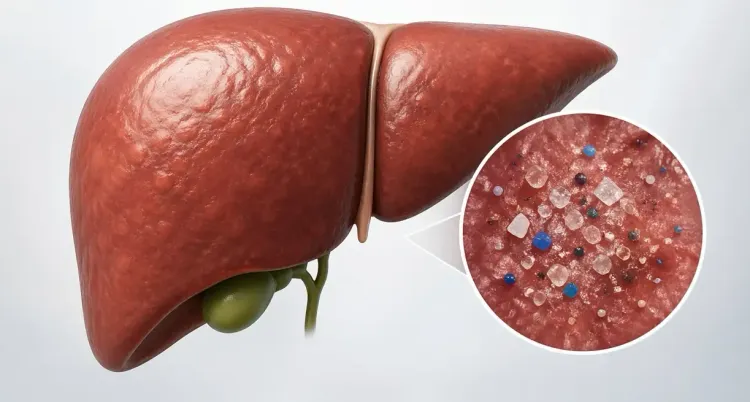
The liver serves as the human body's primary detoxification organ, filtering everything consumed through food, water, and air. Researchers warn that this makes it especially vulnerable to micro and nanoplastic particles, which can act as carriers for microbial pathogens, antimicrobial resistance determinants, endocrine-disrupting chemicals, and carcinogenic additives.
Once these particles enter the bloodstream, the liver is the first major organ to encounter them. Scientists argue that the liver's role as the body's "gatekeeper" means it absorbs the brunt of plastic-related toxicity — potentially accelerating disease progression in individuals already at risk.
The research team highlighted that plastics have already been shown to accumulate and cause measurable harm in the livers of animals, raising the pointed question of why human biology would respond any differently under comparable exposure conditions.
Lead Researcher Raises Alarm on Global Liver Disease Surge
Professor Shilpa Chokshi, the article's lead author and Professor of Experimental Hepatology and Director of the Centre of Environmental Hepatology, noted that liver disease is rising at an alarming pace worldwide and is now responsible for 1 in every 25 deaths globally.
"While established risk factors such as obesity and harmful alcohol use remain central, they do not fully explain the scale or pace of this increase," said Professor Chokshi. "This has led us to consider additional environmental factors, including micro- and nanoplastics, which may interact with existing disease processes and amplify liver injury."
Chokshi, who has spent over two decades developing therapeutics for liver disease, added: "In an increasingly plastic-laden world, where plastics are closely associated with our food, water, and air, these exposures may not only reach the liver but also interact with existing disease processes and amplify harm."
Critical Research Gaps and Methodological Challenges
Despite the mounting evidence, researchers acknowledged that significant knowledge gaps remain. The review identified critical methodological bottlenecks, unmet research priorities, and technical challenges that are currently hindering the collection of direct evidence linking plastic exposure to liver injury in humans.
The team called for urgent, large-scale studies specifically designed to examine plastic accumulation in human liver tissue and its correlation with disease markers. Current detection technologies and the sheer diversity of plastic types and sizes make standardised research difficult.
This is particularly concerning given that human exposure to microplastics has increased exponentially over the past two decades, with plastics now detected in human blood, lung tissue, placenta, and breast milk — yet liver-specific research remains underfunded and fragmented.
Plastic Pollution: A Global Environmental and Health Emergency
Professor Richard Thompson OBE FRS, Professor of Marine Biology at the University of Plymouth, reinforced the broader implications of the study. "This is further evidence that plastic pollution is, without question, a global environmental and health challenge," he stated.
Thompson's comments carry particular weight — he is widely credited as one of the scientists who first identified and named microplastics as an environmental contaminant, making his endorsement of this research a significant moment in the field.
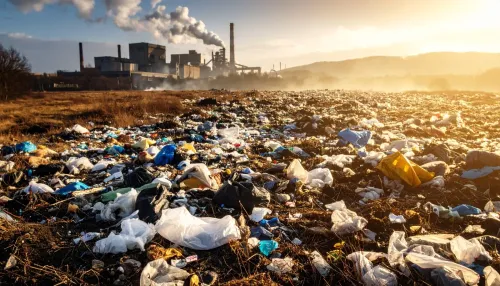
Notably, this study arrives amid growing international pressure to finalise a Global Plastics Treaty under the United Nations Environment Programme (UNEP), with nations deadlocked over binding production limits. Critics argue that industry lobbying has repeatedly stalled meaningful regulation, even as the health evidence becomes harder to ignore.
What This Means for India and the Path Forward
For India, a country with one of the world's highest burdens of non-alcoholic fatty liver disease (NAFLD) and rapidly growing plastic consumption, the implications are especially urgent. India generates approximately 3.5 million tonnes of plastic waste annually, and enforcement of the 2022 single-use plastic ban remains inconsistent across states.
Public health experts have long warned that India's food supply chain — from street food served in plastic containers to drinking water stored in poorly regulated plastic bottles — creates near-constant microplastic exposure for hundreds of millions of people.
As global scientific consensus hardens around the toxicity of microplastics, pressure will mount on governments, regulatory bodies, and the plastics industry to act. Researchers say the next critical step is establishing standardised biomonitoring protocols for plastic particles in human liver biopsies — a move that could finally provide the definitive human evidence needed to drive binding policy action.
Point of View
The health cost of inaction is becoming measurable in human lives. The cruel irony is that the populations most exposed to microplastics through contaminated water and unregulated food packaging are often the least equipped to access treatment for the liver disease that may follow. The mainstream narrative frames plastic pollution as an environmental issue — this research forces us to recognise it as an active, ongoing public health emergency.
NationPress
19 Sept 2026
Frequently Asked Questions
Can microplastics cause liver disease in humans?
Researchers have found strong evidence that microplastics and nanoplastics cause oxidative stress, inflammation, and fibrogenesis in animal livers — conditions that closely resemble advanced human liver disease. While direct causal proof in humans is still being established, the biological mechanisms and accumulation patterns strongly suggest a serious risk.
What did the Nature Reviews Gastroenterology & Hepatology study find?
The study, led by Professor Shilpa Chokshi, found that micro and nanoplastic exposure triggers liver-damaging processes in animals and that plastics can carry harmful substances like carcinogens and endocrine disruptors into the human body. It also identified major research gaps that need urgent attention to confirm the same effects in humans.
How do microplastics enter the liver?
Microplastics enter the body through contaminated food, drinking water, and air, and are absorbed into the bloodstream. Since the liver is the body's primary filtration organ, it is the first major site where these particles accumulate, potentially triggering toxic reactions and amplifying existing liver conditions.
How widespread is liver disease globally?
Liver disease is now responsible for 1 in every 25 deaths worldwide, according to Professor Shilpa Chokshi. The condition is rising globally at a pace that established risk factors like obesity and alcohol use alone cannot fully explain, prompting scientists to investigate environmental triggers like microplastics.
What is the impact of plastic pollution on human health in India?
India generates around 3.5 million tonnes of plastic waste annually and has one of the world's highest burdens of non-alcoholic fatty liver disease, making its population particularly vulnerable. Widespread exposure through plastic food containers, water bottles, and poorly regulated packaging means hundreds of millions of Indians face near-constant microplastic ingestion.