Sam Altman Says OpenAI Models Now Good at Design
Synopsis
OpenAI chief executive Sam Altman on 14 July 2026 expressed genuine surprise at how capable the company's AI models have become at design tasks, marking a candid milestone in the multi-year shift of frontier AI from text to multimodal creative output.
Key Takeaways
Sam Altman , chief executive of OpenAI , posted on 14 July 2026 that the company's models are now 'good at design' — a capability he called mind-bending.
OpenAI first entered image generation with DALL-E in January 2021 , followed by expanded multimodal features in GPT-4 in March 2023 .
The remark reflects a broader industry shift from narrow language models to integrated systems capable of visual and creative design work.
Design professionals, advertising agencies, and creative services firms globally face a shifting competitive landscape as AI design tools mature.
Next major OpenAI model releases and potential partnerships with commercial creative software suites are the key developments to watch.
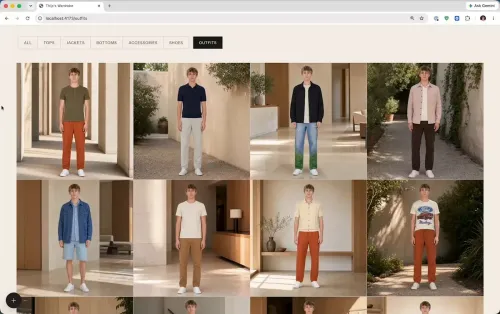
OpenAI chief executive Sam Altman on Tuesday, 14 July 2026, remarked that it still 'sorta breaks my brain' to see the company's AI models perform well at design tasks — a candid acknowledgement of how far the technology has come from its text-only origins.
Context
Altman's post, brief as it is, carries weight given his vantage point as the person overseeing OpenAI's model development roadmap. The remark signals that design capability — long considered a frontier challenge for AI systems — has matured to a point where even its own creators find the results surprising.
For years, generative AI was synonymous with text. OpenAI released its first image-focused model, DALL-E, in January 2021, and expanded multimodal capabilities significantly with the launch of GPT-4 in March 2023. The trajectory from those early experiments to models that handle design 'well' represents a fundamental shift in what frontier AI can do.
Policy Backdrop
The broader AI industry has been moving steadily from narrow language models toward integrated multimodal systems capable of visual design, layout generation, and creative tooling. This shift has drawn the attention of regulators, creative industry bodies, and professional associations worldwide who are grappling with questions of authorship, copyright, and displacement of skilled labour.
In India, where a large and growing design and creative services sector serves global clients, the maturation of AI design tools has direct economic implications. Government bodies and industry groups have flagged the need for upskilling frameworks to help creative professionals adapt to AI-augmented workflows.
Stakeholders and Impact
Design professionals, advertising agencies, software companies, and media houses are the most immediately affected constituencies. If OpenAI's models can now reliably assist with or automate design tasks, the competitive calculus for creative services firms changes materially.
For AI researchers, Altman's observation is a milestone marker — design has historically required spatial reasoning, aesthetic judgment, and contextual understanding that pure language models struggled to replicate. The fact that the chief executive himself is struck by the progress underscores how non-linear this capability gain has been.
What's Next
Attention will now turn to OpenAI's next major model releases and whether the company announces formal partnerships to integrate its generative design features into commercial creative software suites used by professionals globally. Any such announcements would accelerate adoption and intensify the ongoing debate about AI's role in creative industries.
Altman's offhand post is likely to rekindle discussion among design communities and technology investors alike about the pace of AI capability growth — and what tasks, once considered safely human, are now within the reach of machines.
Point of View
It signals that the technology has crossed an internal credibility threshold. This fits a pattern where AI capabilities tend to be underestimated in their early stages and then suddenly appear to leap forward, catching even insiders off guard. For India's large creative and design services export sector, this moment demands policy attention — not just celebration of technological progress, but a structured response on workforce adaptation. The broader arc here is the erosion of the text-versus-visual divide in AI, which is rewriting assumptions across media, advertising, software, and product development simultaneously.
NationPress
26 Oct 2026
Frequently Asked Questions
What did Sam Altman say about OpenAI's design capabilities?
Sam Altman posted on 14 July 2026 that it 'sorta breaks my brain' to see OpenAI 's models perform well at design tasks, expressing candid surprise at how far the technology has advanced.
When did OpenAI first develop image and design AI models?
OpenAI released its first image-focused model, DALL-E , in January 2021 . It significantly expanded multimodal and visual capabilities with GPT-4 in March 2023 .
How does OpenAI's AI design capability affect Indian designers and creative professionals?
As OpenAI 's models grow capable of handling design tasks, Indian creative services firms and freelancers who serve global clients may face increased competition from AI-assisted workflows, making upskilling and adaptation critical.
Which OpenAI model is good at design?
The specific model version Altman referenced in his July 2026 post has not been formally identified. His remark reflects the general progress of OpenAI 's multimodal model line, which has evolved significantly since DALL-E and GPT-4 .
What is the significance of AI being good at design?
Design has historically required spatial reasoning and aesthetic judgment that AI systems struggled with. AI models now performing well at design tasks marks a major capability milestone and has wide implications for creative industries, advertising, and software development worldwide.