Xiaomi unveils Xring O3 3nm AI chip as silicon bet widens
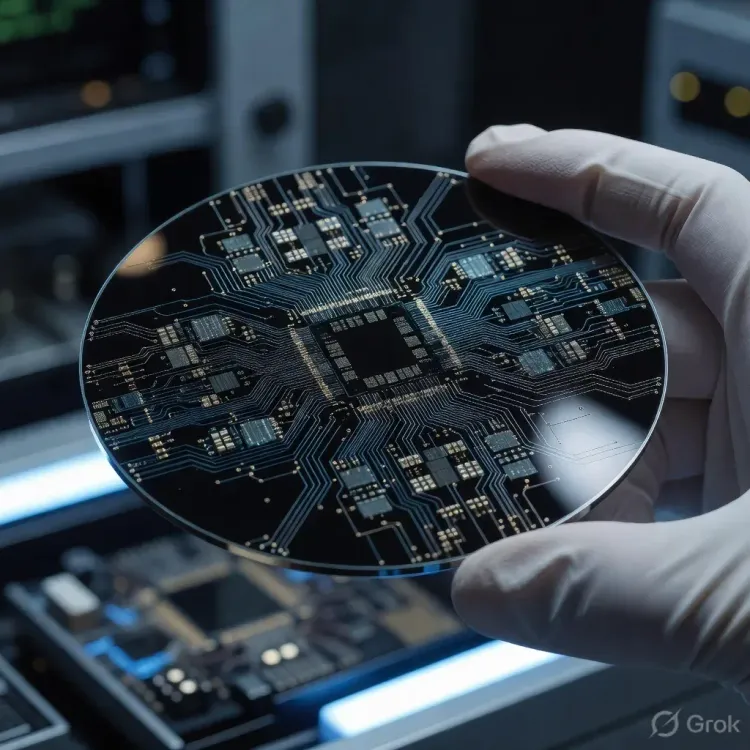
Synopsis
Xiaomi unveiled three proprietary chips on 25 August 2026 — including the 3nm Xring O3 for smartphones and a 3nm Xring D100 for autonomous driving — signalling an aggressive silicon push even as an earnings slump and soaring component costs squeeze margins.
Key Takeaways
Xiaomi unveiled the Xring O3 , a 3-nanometre AI mobile processor, on 25 August 2026 , set to debut in the Xiaomi 18 Fold in September 2026 .
The Xring O100 , a 6nm AI accelerator, is designed to boost Xiaomi 's MiMo large language model when used alongside the O3 .
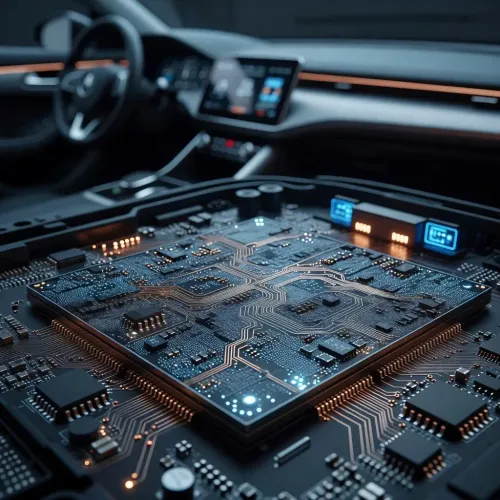
A third chip, the Xring D100 ( 3nm ), targets autonomous driving; both the O100 and D100 are slated for commercial deployment in 2027 .
Ivan Lam of Counterpoint Research placed Xiaomi in 'the top tier of China 's self-developed mobile SoC' makers.
The expansion comes despite a profit slump and industry-wide surge in memory and component costs affecting both smartphones and electric vehicles.
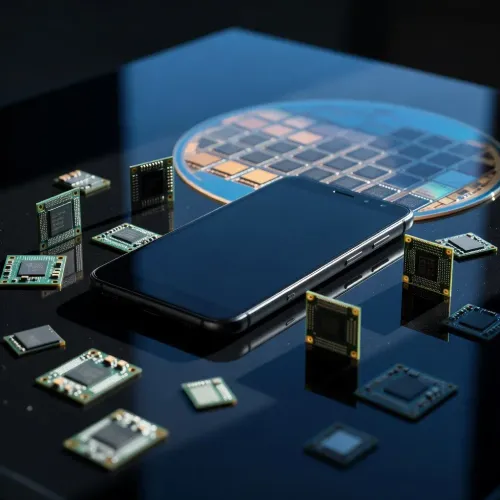
Xiaomi is accelerating its proprietary silicon roadmap with three new in-house chips targeting smartphones, AI inference, and autonomous driving — even as an earnings slump and soaring component costs weigh on its bottom line. The Chinese tech giant on Monday, 25 August 2026 unveiled the Xring O3, a 3-nanometre AI processor slated to debut inside the Xiaomi 18 Fold smartphone in September.
What Xiaomi announced
Xiaomi introduced three distinct silicon products in a single disclosure. The flagship Xring O3 is a 3nm mobile system-on-a-chip (SoC) engineered for complex on-device AI workloads. Alongside it, the company revealed the Xring O100 — a 6nm AI accelerator designed to amplify the performance of Xiaomi's MiMo large language model when paired with the O3. A third chip, the Xring D100, is a 3nm processor built specifically for autonomous driving applications. According to the company, both the O100 and the D100 are scheduled for commercial deployment in 2027.Why it matters
Analysts say the multi-chip push signals that Xiaomi is positioning itself to handle increasingly demanding AI workloads across two high-growth verticals: smartphones and electric vehicles. Ivan Lam, Senior Analyst at Counterpoint Research, said Xiaomi's semiconductor progress placed it in 'the top tier of China's self-developed mobile systems-on-a-chip.' He added that 'in the current age of AI, on-chip AI performance has become even more critical as AI workloads are becoming more complex.' Lam acknowledged that semiconductor investments yield no immediate financial returns, but characterised Xiaomi's long-term commitment as positive.The competitive backdrop
Xiaomi's in-house silicon ambitions place it in direct competition with established chipmakers including Qualcomm and MediaTek, which currently supply the bulk of China's Android SoC market. Domestically, the move echoes Huawei Technologies' Kirin strategy — developing proprietary chips to reduce dependence on foreign suppliers — a calculus made sharper by ongoing US export restrictions on advanced semiconductors. The Xring O3's 3nm process node puts it on par with the leading edge of mobile chip design globally, including Apple's own silicon.Headwinds: profits and component costs
The chip offensive is unfolding against a difficult financial backdrop. The global smartphone industry is grappling with surging memory and component costs that are squeezing margins across both handsets and electric vehicles — two segments central to Xiaomi's growth strategy. The company's earnings have slipped, raising questions about how long it can sustain capital-intensive semiconductor R&D without near-term returns. Industry analysts noted that the payoff from chip investment is typically measured in years, not quarters.What's next
All eyes now turn to the Xiaomi 18 Fold's September launch, which will serve as the first real-world test of the Xring O3's performance claims. Commercial rollout of the O100 and D100 chips in 2027 will be the more consequential milestone — determining whether Xiaomi's silicon can compete at scale in AI inference and autonomous driving, two markets where the stakes are rising fast.Point of View
The two arenas where the next decade of margin will be won or lost. What mainstream coverage underplays is the timing — launching at peak component-cost pressure signals that Xiaomi is willing to absorb short-term pain to avoid long-term supplier dependency, precisely the lesson Huawei Technologies learned the hard way when US sanctions severed its Kirin supply chain. The 3nm node for both the O3 and D100 also implies reliance on TSMC or an equivalent leading-edge foundry, which keeps geopolitical exposure alive even as Xiaomi internalises design. Investors should watch whether the Xiaomi 18 Fold's commercial reception justifies the R&D burn — because if the SoC underperforms, the entire multi-year silicon thesis comes under pressure simultaneously.
NationPress
25 Aug 2026
Frequently Asked Questions
What is the Xiaomi Xring O3 chip?
The Xring O3 is Xiaomi 's proprietary 3-nanometre AI mobile processor, designed for complex on-device AI workloads on smartphones. It is scheduled to debut inside the Xiaomi 18 Fold in September 2026 .
Why is Xiaomi developing its own chips?
Xiaomi is building in-house silicon to reduce dependence on third-party suppliers such as Qualcomm and MediaTek , and to optimise AI performance for its own software, including the MiMo large language model. Analysts at Counterpoint Research say on-chip AI capability is increasingly critical as workloads grow more complex.
How does Xiaomi's chip compare to Huawei Kirin and Apple silicon?
The Xring O3 's 3nm process node places it at the same leading-edge tier as Apple 's latest mobile chips and on par with Huawei Technologies ' Kirin series. Ivan Lam of Counterpoint Research said Xiaomi now ranks in 'the top tier of China 's self-developed mobile SoC' makers.
When will Xiaomi's Xring O100 and D100 chips be available?
According to the company, both the Xring O100 AI accelerator and the Xring D100 autonomous driving chip are targeted for commercial deployment in 2027 . The O100 is a 6nm chip; the D100 is built on a 3nm process.
How is Xiaomi's chip push affected by its profit slump?
Xiaomi 's semiconductor investment is unfolding despite an earnings slump and surging memory and component costs that are squeezing margins across its smartphone and electric vehicle businesses. Industry analysts noted that chip R&D typically delivers returns over years, not quarters, making near-term financial pressure a significant headwind.