Karachi hospital washroom birth exposes Pakistan's public healthcare crisis

Synopsis
A woman reportedly giving birth in a washroom at Karachi's JPMC — one of Pakistan's premier public hospitals — is more than a single failure. It is a window into a healthcare system stretched beyond its limits, where overcrowding, staff shortages, and absent accountability combine to put the most vulnerable patients at risk.
Key Takeaways
A woman reportedly delivered her baby in a washroom at the Jinnah Postgraduate Medical Centre (JPMC) in Karachi .
An inquiry reportedly found shortcomings in care , including allegations that the woman was told to 'walk around' while in active labour.
The incident was captured on video and widely shared on social media, triggering public outrage.
Pakistan's public hospitals face chronic overcrowding , staff shortages , and resource constraints.
Healthcare experts stress that systemic failures require management reform and accountability mechanisms , not just additional resources.
Patients in rural and peri-urban areas face the greatest burden, often travelling long distances to reach tertiary-care facilities like JPMC.
A woman reportedly gave birth in a washroom at the Jinnah Postgraduate Medical Centre (JPMC) in Karachi, Pakistan, in an incident that has reignited sharp scrutiny of the country's strained public healthcare system. The episode, which surfaced on 25 August, highlights persistent concerns over overcrowding, inadequate staffing, and failures in basic maternity care at government hospitals.
What Reportedly Happened
The incident was captured on video and widely circulated on social media, drawing immediate public outrage. According to reports, an inquiry into the case found significant shortcomings in the care extended to the woman during labour. Notably, she was allegedly asked to 'walk around' despite being in active labour — and subsequently delivered her baby in the hospital washroom without proper medical assistance.
Questions have been raised over whether the woman received a timely clinical assessment and whether standard maternity-care protocols were followed at any stage. Medical experts note that labour can progress rapidly and may require immediate intervention, making continuous monitoring critical for the safety of both mother and child.
A Symptom of Systemic Strain
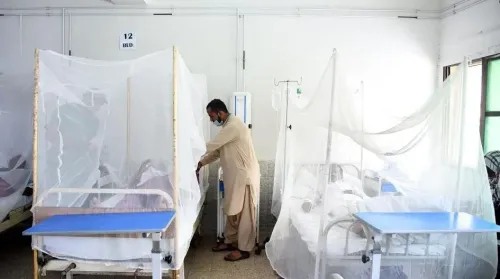
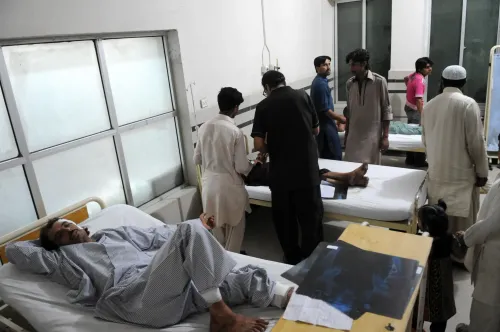
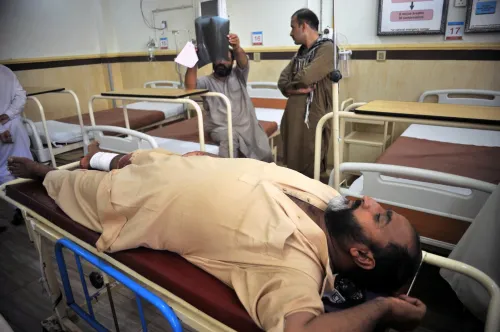
The JPMC incident is not an isolated failure — it reflects a broader, structural crisis in Pakistan's public healthcare infrastructure. Large government hospitals across the country absorb enormous patient loads, many of whom have no viable alternative to public facilities due to financial constraints or the absence of adequate local healthcare services.
Doctors, nurses, and paramedical staff frequently operate under intense pressure, with chronic shortages of personnel and resources compounding the challenge. Healthcare experts and observers have long argued, however, that difficult working conditions alone cannot account for breakdowns in fundamental patient care. Effective hospital management, clear clinical protocols, adequate supervision, and institutional accountability are equally essential — and reportedly absent in this case.
Rural and Peri-Urban Patients Bear the Heaviest Burden
The challenges are particularly severe outside major urban centres. Access to qualified physicians, diagnostic equipment, and specialist services remains severely limited in smaller towns and rural areas. Patients with serious illnesses or pregnancy-related complications often travel considerable distances to reach tertiary-care hospitals such as JPMC, sometimes arriving when their conditions have already deteriorated significantly.
This dynamic places additional pressure on already-overstretched urban facilities, creating a cycle in which both rural and city patients receive substandard care.
Accountability and the Road Ahead
The inquiry reportedly identified lapses in care, though the specific actions taken against responsible personnel have not been publicly confirmed. Critics argue that without transparent accountability mechanisms and sustained investment in public health infrastructure, such incidents will continue to recur across Pakistan's hospital network.
Healthcare reform advocates say the episode underscores the urgent need for systemic change — from adequate staffing ratios and triage protocols to independent oversight of government hospitals. Whether this incident translates into meaningful policy action remains to be seen.
Point of View
It is what the video represents. Overcrowding and underfunding are real, but they have long served as institutional alibi for management failures and absent accountability. Pakistan's government hospitals have repeatedly faced similar controversies without producing structural reform. Until triage protocols, supervisory accountability, and independent oversight are treated as non-negotiable minimums rather than aspirational targets, the next such incident is a matter of when, not if.
NationPress
10 Oct 2026
Frequently Asked Questions
What happened at JPMC Karachi that triggered the controversy?
A woman reportedly gave birth in a washroom at the Jinnah Postgraduate Medical Centre (JPMC) in Karachi after allegedly being asked to walk around despite being in active labour. The incident was captured on video and widely circulated, prompting an inquiry into the care she received.
What did the inquiry into the JPMC incident find?
The inquiry reportedly identified shortcomings in the care extended to the woman, including concerns that basic maternity-care protocols were not followed and that she was not assessed promptly. Specific actions taken against those responsible have not been publicly confirmed.
Why is Pakistan's public healthcare system under strain?
Pakistan's government hospitals handle extremely high patient volumes, with many people dependent on public facilities due to cost or lack of local alternatives. Chronic shortages of doctors, nurses, and resources — combined with weak management and oversight — have created systemic care failures across the network.
Who is most affected by Pakistan's healthcare crisis?
Patients in rural and peri-urban areas bear the heaviest burden, as access to qualified doctors, diagnostic facilities, and specialist services outside major cities is severely limited. Many travel long distances to reach tertiary hospitals like JPMC, often arriving with conditions that have already worsened.
What do experts say is needed to fix the problem?
Healthcare experts argue that difficult working conditions alone do not explain failures in basic patient care. They say effective hospital management, clear clinical protocols, adequate supervision, and institutional accountability are equally necessary — and that without these, resource increases alone will not prevent similar incidents.