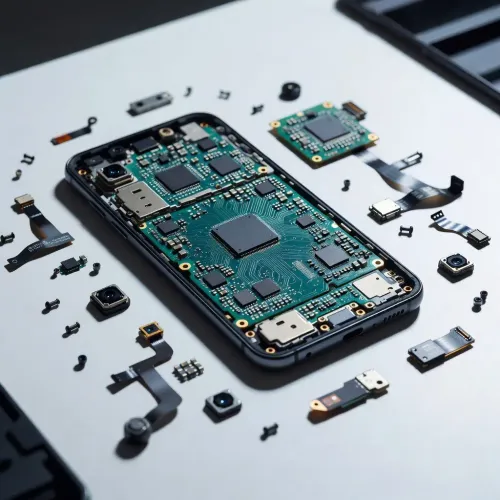
Memory chip surge makes sub-$100 smartphones 'impossible' to profit from

Synopsis
Memory costs for sub-$100 phones have jumped 400% to $70 per device in Q3 2026 — exceeding last year's entire bill of materials — making the world's most accessible smartphone tier unprofitable to build, Omdia warns.
Key Takeaways
Memory costs for sub- US$100 smartphones are expected to surge 400% in Q3 2026 , reaching US$70 per device from US$14 a year earlier, according to Omdia .
Jusy Hong , Senior Research Manager at Omdia , declared it 'impossible to manufacture smartphones below US$100 at the moment' during a webinar on Friday, 25 July 2026 .
Major vendors including Xiaomi , Oppo , and Vivo are expected to abandon the budget segment and pivot to higher-margin mid-range devices.
Competing demand from AI projects and data centres is exacerbating the memory shortage, squeezing consumer electronics supply.
The ultra-low-cost smartphone segment may only recover when memory prices stabilise, which Hong estimates could take one to two years .
Memory chip prices have surged to the point where manufacturing budget smartphones priced below US$100 is no longer economically viable, analysts warned on Friday, 25 July 2026. The crisis, driven by a persistent memory chip shortage, is forcing major handset vendors to exit the ultra-low-cost segment entirely — a shift that could reshape global smartphone pricing for years to come.
The numbers behind the crisis
The cost of memory components for handsets in the sub-US$100 category is expected to surge 400 per cent in Q3 2026, according to data from research firm Omdia. The bill of materials for the most common configuration in this segment has climbed to US$70 — up from just US$14 in the same period last year. Critically, current memory prices alone have already exceeded the entire bill of materials for this segment from a year ago.
Why it matters
Jusy Hong, Senior Research Manager at Omdia, stated bluntly during a webinar: 'Considering the memory price hike, it is impossible to manufacture smartphones below US$100 at the moment …[or] in the near future.' The sub-US$100 tier represents a critical entry point for first-time smartphone buyers across South Asia, Southeast Asia, Africa, and Latin America — markets where consumer demand for affordable devices remains strong.
The competitive backdrop
Major smartphone vendors — including Xiaomi, Oppo, and Vivo — are expected to pivot away from money-losing budget lines toward mid-range categories with higher margins, according to Hong. This upward migration will, in turn, drive up average retail prices across the board. Smaller, local-market players who currently serve the ultra-low-cost segment are likely to be squeezed out in the near term.
Market reaction
The memory shortage is not an isolated event — it intersects with surging demand from AI infrastructure projects and data centres, which are competing with consumer electronics for the same chip supply. Analysts at IDC have previously flagged that the smartphone industry's lower tiers are most exposed to component cost volatility, given their razor-thin margins.
What's next
According to Hong, when memory prices stabilise — potentially in another one to two years — smaller players in local markets are likely to revive the ultra-low-price segment. Until then, 'this market is simply disappearing,' Hong said. The key variable to watch is whether memory chipmakers accelerate capacity expansion, and how quickly AI-driven demand cools enough to relieve pressure on consumer-grade supply chains.
Point of View
And the pricing signal is brutal. What mainstream coverage underplays is the geopolitical dimension: Chinese brands like Xiaomi, Oppo, and Vivo built their emerging-market dominance on ultra-affordable devices, and their forced retreat upmarket opens a vacuum that local assemblers in India, Africa, and Southeast Asia currently lack the supply-chain muscle to fill. The one-to-two-year recovery timeline Omdia cites assumes AI infrastructure demand plateaus — a far from certain bet given ongoing hyperscaler spending commitments. If memory tightness persists beyond 2027, the smartphone industry's next billion users may simply have to wait.
NationPress
22 Oct 2026
Frequently Asked Questions
Why are budget smartphones under $100 becoming unprofitable?
Memory chip prices for sub-$100 smartphones have surged 400% in Q3 2026, pushing the bill of materials to US$70 per device — up from US$14 a year ago — making it economically impossible to manufacture these handsets at a profit. The shortage is driven by competing demand from AI infrastructure and data centres, according to Omdia.
What did Omdia's Jusy Hong say about budget smartphones?
Jusy Hong, Senior Research Manager at Omdia, said during a webinar on Friday that 'it is impossible to manufacture smartphones below US$100 at the moment …[or] in the near future.' He added that this market segment is 'simply disappearing' until memory prices stabilise.
Which smartphone brands are most affected by the memory chip shortage?
Major Chinese vendors including Xiaomi, Oppo, and Vivo — which have built significant market share in emerging economies through affordable devices — are expected to exit the sub-$100 segment. They are anticipated to pivot toward mid-range, higher-margin products, which will push average retail prices higher.
When will budget smartphones return to the market?
According to Omdia's Jusy Hong, smaller local-market players may revive the ultra-low-cost segment once memory prices stabilise, which he estimates could take another one to two years. A recovery depends heavily on whether AI-driven memory demand eases and chipmakers expand production capacity.
How does AI demand affect smartphone memory prices?
Surging investment in AI projects and data centres is competing directly with consumer electronics for the same memory chip supply, driving up costs across the board. This dynamic has been flagged by analysts at IDC as particularly damaging for budget smartphone tiers, where margins are already minimal.