Global smartphone shipments hit 13-year low in Q2 2026 amid memory crisis

Synopsis
Global smartphone volumes just hit their worst second-quarter level since 2013 — and the culprit isn't weak demand alone. AI data centres are crowding out consumer electronics for DRAM and NAND supply, forcing price hikes that have made entry and mid-tier phones structurally unaffordable. With a 14% full-year decline projected and the shortage expected to run into 2027, this is a structural reset, not a blip.
Key Takeaways
Global smartphone shipments fell 11 per cent YoY in Q2 2026 , the lowest second-quarter level since 2013 .
DRAM and NAND memory price inflation — driven by AI data centre prioritisation — is the primary cause.
Samsung reclaimed the global number one position with a 24 per cent share, posting the strongest growth among top five brands.
Apple was the only major OEM to avoid price hikes; its share hit a record 20 per cent after 3 per cent shipment growth.
Counterpoint Research projects a full-year 2026 shipment decline of approximately 14 per cent .
The global memory shortage is expected to persist through 2027 .
Global smartphone shipments fell 11 per cent year-on-year in the April–June quarter (Q2 2026), touching the lowest second-quarter volumes since 2013, according to preliminary estimates from Counterpoint Research's Market Monitor released on Monday. The deepening memory shortage has now emerged as the single dominant drag on the industry, overtaking every other headwind.
Memory Crisis at the Core
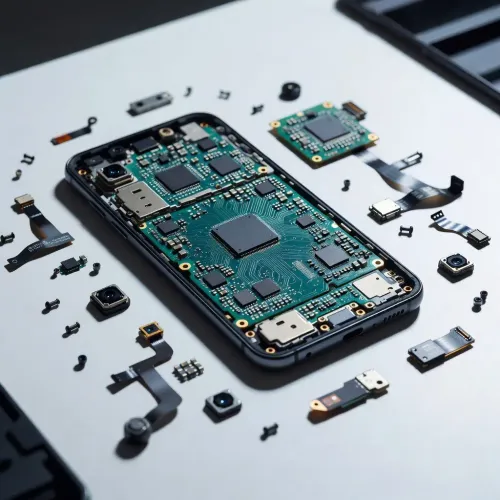
DRAM and NAND prices continued to balloon through the quarter as memory suppliers prioritised AI data centre demand over consumer electronics. This forced original equipment manufacturers (OEMs) to pass rising Bill of Materials (BOM) costs onto consumers through repeated price hikes, hitting entry and mid-tier devices the hardest — segments that account for the majority of global smartphone volumes.
'The global memory crisis has now overtaken every other factor as the single biggest drag on the smartphone industry. What started as a components issue last year is now a full-blown demand issue. The entry and mid-tier devices, which account for a majority of the world's smartphone volumes and are the most exposed to BOM economics, become structurally unfeasible at previous price points,' said Shilpi Jain, senior analyst at Counterpoint Research.
Samsung Reclaims Top Spot, Apple Hits Record Share
Samsung reclaimed the global number one position with a 24 per cent market share in Q2 2026, recording the strongest growth among the top five brands. The South Korean giant held up relatively well in India and the Middle East, supported by better product availability, fewer price hikes, and aggressive summer promotions that complemented flagship momentum, according to the report.
Apple was the only major OEM to avoid smartphone price hikes during the quarter. Its shipments grew 3 per cent year-on-year, with market share climbing to a record 20 per cent — a sign that premium-tier demand remains comparatively insulated from BOM pressures.
Macro Squeeze Compounds the Pain
Geopolitical tensions in the Middle East pushed up oil and shipping costs, further inflating handset prices across the board. This coincided with a broader macro squeeze — slower global growth, elevated inflation, and record-low consumer sentiment — which hit price-sensitive buyers disproportionately hard, Jain noted.
Notably, this is not merely a supply-side disruption. The sustained price increases have begun to suppress replacement cycles, turning a components crunch into a structural demand problem that could outlast the memory shortage itself.
Outlook for 2026 and Beyond
The road ahead remains difficult. Counterpoint Research continues to project global smartphone shipments will decline by approximately 14 per cent for the full year 2026. The memory shortage is expected to persist into 2027, suggesting the industry faces at least another four to six quarters of constrained volumes before meaningful relief arrives.
Point of View
And that trade-off is unlikely to reverse quickly. Samsung's resilience in India is worth watching, but Apple's record 20 per cent share at a time of industrywide contraction is the more telling signal — it suggests the premium segment is decoupling from the volume market. If the memory shortage runs into 2027 as projected, the industry's recovery narrative will need a serious rethink.
NationPress
12 Oct 2026
Frequently Asked Questions
Why did global smartphone shipments fall in Q2 2026?
Shipments fell 11 per cent year-on-year in Q2 2026 primarily because a global memory shortage drove up DRAM and NAND prices, forcing OEMs to raise device prices and suppressing demand — especially for entry and mid-tier phones. Geopolitical tensions in the Middle East also pushed up oil and shipping costs, compounding the pressure.
How bad is the global smartphone market decline in 2026?
Q2 2026 shipments hit the lowest second-quarter level since 2013, and Counterpoint Research projects a full-year 2026 decline of approximately 14 per cent. The memory shortage is expected to persist into 2027, meaning a sustained recovery is unlikely in the near term.
Which smartphone brand performed best in Q2 2026?
Samsung reclaimed the global number one position with a 24 per cent market share and recorded the strongest growth among the top five brands. It held up particularly well in India and the Middle East through better product availability and aggressive promotions.
How did Apple fare during the smartphone market downturn?
Apple was the only major OEM to avoid price hikes during Q2 2026. Its shipments grew 3 per cent year-on-year and its market share climbed to a record 20 per cent, indicating that premium-tier demand remained relatively insulated from BOM cost pressures.
When will the global memory shortage affecting smartphones end?
According to Counterpoint Research, the global memory shortage is expected to persist through 2027. Memory suppliers are currently prioritising AI data centre demand over consumer electronics, and there is no near-term signal of a supply rebalancing.