India's Smartphone Shipments Face 3% Decline in Q1 2026: Report
Synopsis
India's smartphone market encounters a notable downturn with a 3% decline in shipments during the first quarter of 2026. Rising costs and weak consumer demand challenge the industry, marking the weakest performance in six years. Discover the implications for major brands and the outlook for the rest of the year.
Key Takeaways
3% decline in smartphone shipments YoY.
Weakest first-quarter performance in six years .
Price hikes impacted consumer demand .
Samsung and Apple showed contrasting performances.
Market projected to decline by 10% YoY for the year.
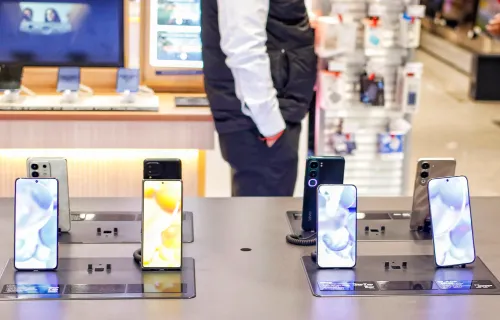
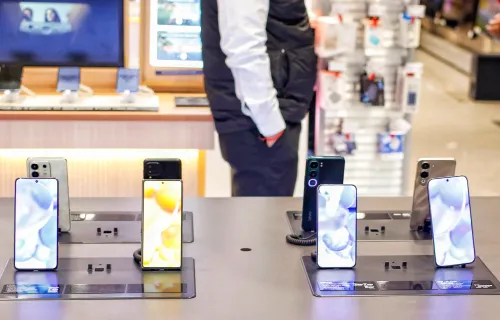
New Delhi, April 17 (NationPress) The smartphone shipments in India experienced a 3 percent decline year-on-year (YoY) during the first quarter of 2026, marking the weakest performance for this period in six years, according to a report released on Friday.
This downturn can be attributed to several factors, including increased supply-side cost pressures, price hikes implemented by manufacturers, and a lack of consumer demand, which adversely affected retail conversions despite a higher number of new product launches, as per Counterpoint Research.
To counteract the rising costs of components, nearly one-third of new models were launched earlier in the quarter, as companies aimed to alleviate bill of materials (BOM) inflation, particularly driven by soaring memory prices and currency fluctuations.
“The market is confronting a distinct affordability challenge, propelled by significant memory-related cost inflation and currency issues that have necessitated price hikes across essential models,” stated Senior Analyst Prachir Singh.
He further added that with average price increases exceeding Rs 1,500, the sub-Rs 15,000 segment has been the most adversely affected due to its high price sensitivity.
Additionally, rising energy costs amid persistent geopolitical tensions in the Middle East have further tightened household budgets, leading consumers to prioritize essential expenditures over discretionary purchases like smartphones, Singh remarked. Consequently, the duration of upgrade cycles is extending, and recovery in the mass segment is anticipated to be gradual.
Samsung managed to secure the second position among brands, bolstered by strong demand in its mass-market offerings and a favorable response to its latest flagship series, which saw significant pre-bookings.
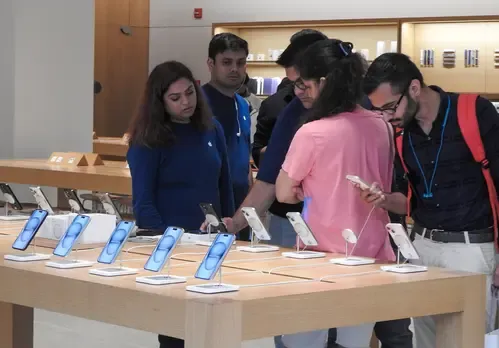
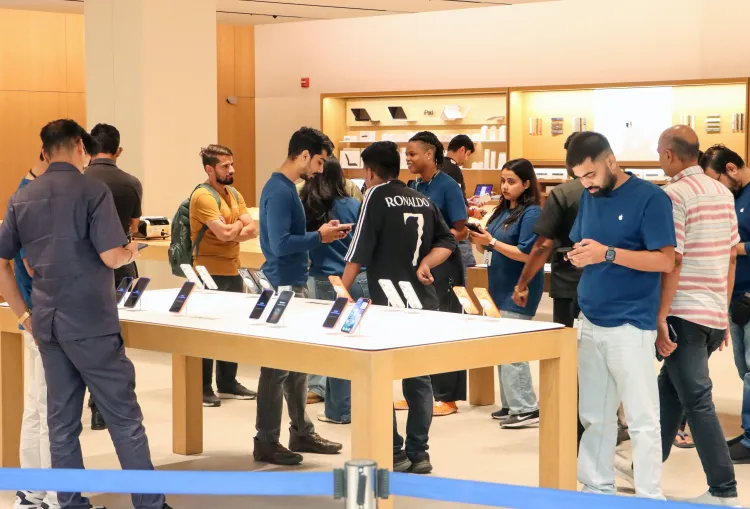
Meanwhile, Apple continued to experience steady growth in the premium market, with its shipment share climbing to 9 percent, thanks to sustained demand for its latest iPhone models and appealing financing options.
The report highlighted that the premium segment has remained relatively stable, even as entry-level demand continues to lag.
Looking ahead, Research Director Tarun Pathak anticipates ongoing pressure on the market in the near future, projecting a likely double-digit decline in the April-June quarter due to high component costs and diminished demand in lower price segments.
For the entire year, the market is expected to contract by approximately 10 percent YoY, as ongoing inflation in critical components—especially memory—continues to impact affordability and delay replacement cycles, according to Pathak.
Point of View
It's evident that the smartphone sector in India is grappling with significant challenges. The combination of rising costs and shifting consumer priorities signals a critical moment for manufacturers and retailers alike. A nation-first approach emphasizes the need for solutions that cater to affordability while maintaining quality.
NationPress
15 Sept 2026
Frequently Asked Questions
What caused the decline in smartphone shipments in India?
The decline was primarily due to rising supply-side cost pressures, price hikes by manufacturers, and weak consumer demand.
How much did the smartphone shipments decrease?
Smartphone shipments decreased by 3% year-on-year (YoY) in the January-March quarter of 2026.
Which smartphone brand performed well during this period?
Samsung secured the second position, benefiting from strong demand in its mass-market portfolio.
What is the outlook for the smartphone market in 2026?
The market is expected to face continued pressure, with a projected decline of around 10% YoY due to ongoing inflation in key components.
How did Apple fare in the premium segment?
Apple saw steady growth in the premium segment, with its shipment share reaching 9% due to sustained demand for its latest iPhone models.