Shenzhen's Huaqiangbei hit as memory chip prices triple on AI demand
Synopsis
Memory and SSD prices in Shenzhen's Huaqiangbei have tripled — and in some cases risen fivefold — in 12 months as AI infrastructure spending diverts chip supply away from consumer electronics, hitting PC builders and everyday buyers hard.
Key Takeaways
Memory product prices in Huaqiangbei , Shenzhen , have tripled over the past year , according to trader Cai .
A vendor surnamed Ye inside SEG Plaza said prices in some cases rose fivefold over the past 12 months .
The global AI boom is cited as the primary driver, with data centre demand consuming a disproportionate share of DRAM and NAND flash memory supply.
Traders say only buyers with urgent needs are willing to pay current premiums, with discretionary purchases drying up.
Both Cai and Ye expect prices to continue rising in the coming months, with no near-term easing forecast.
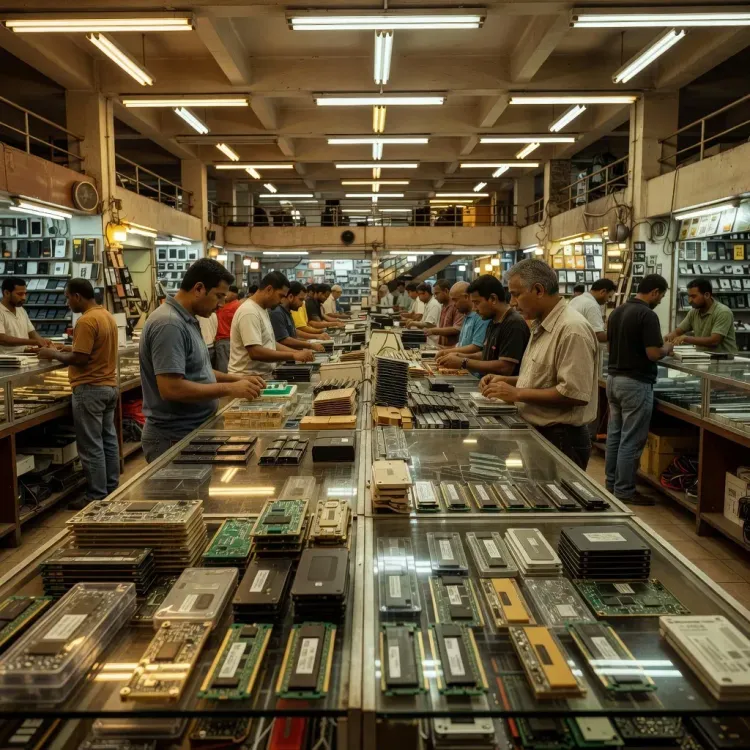
Huaqiangbei is widely regarded as the world's largest wholesale electronics market and a leading indicator of global component pricing trends.
Shenzhen's Huaqiangbei, the world's largest wholesale electronics market, is reeling from a memory chip price crisis driven by the global artificial intelligence boom, with some vendors reporting prices rising as much as fivefold over the past 12 months. Traders say the surge is deterring buyers and reshaping the economics of consumer PC assembly.
The price shock at ground level
For Cai, a trader in Huaqiangbei who assembles computers for gamers and corporate clients, the cost environment has shifted dramatically. “Right now, memory and SSDs are the biggest cost drivers in a personal computer build,” Cai said, referring to solid-state drives. Memory product prices in the district have tripled over the past year, according to Cai, who warned that further increases are likely in the coming months.
Why it matters
The supply squeeze on DRAM and NAND flash memory is not a localised anomaly — it reflects a structural reallocation of chip supply toward AI industry data centres, leaving consumer electronics markets starved of inventory. Huaqiangbei, which serves as a real-time barometer for global component pricing, is absorbing the full force of that imbalance. Only customers with an urgent need for a computer are currently willing to pay the premium, Cai noted.
Vendors report extreme price swings
Inside SEG Plaza, the skyscraper at the heart of Huaqiangbei, a vendor surnamed Ye said memory prices had in some cases risen fivefold in the past 12 months. “The prices just kept rising since last year, and will continue to climb,” Ye said. “Those who stockpiled last year were able to make a big fortune.” The remarks underscore how the timing of inventory decisions has become a defining competitive advantage in the current market.
The competitive backdrop
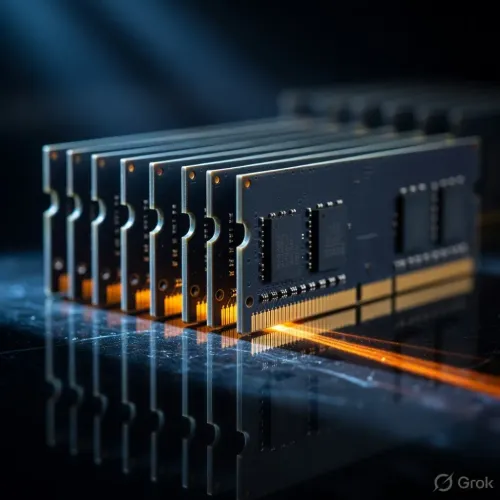
The memory market has been under sustained pressure as AI infrastructure build-outs by hyperscalers consume an outsized share of global DRAM and NAND flash memory output. Products such as Kingston DDR modules, long a staple of consumer PC builds, have become significantly harder to source at stable prices. Industry analysts, including those at research firm TrendForce, have tracked the divergence between enterprise and consumer memory pricing as a defining trend of the current chip cycle.
What's next
Traders in Shenzhen expect the pricing pressure to persist, with no near-term relief in sight as AI-driven data centre investment continues to crowd out consumer-grade memory supply. The trajectory will hinge on whether major memory manufacturers elect to expand capacity for the consumer segment or continue prioritising higher-margin enterprise products. For PC builders and everyday consumers, the months ahead are likely to bring continued cost inflation.
Point of View
Consumer-grade supply is being quietly rationed by the market. What mainstream coverage often misses is that Huaqiangbei functions as a leading indicator — price signals here tend to precede broader retail inflation in consumer electronics by weeks. The fivefold spike described by vendors is not outlier anecdote; it aligns with structural data from analysts at TrendForce on the DRAM and NAND bifurcation. The deeper risk is a prolonged consumer affordability crisis in PC hardware that could suppress upgrade cycles globally, even as enterprise AI spending continues to accelerate.
NationPress
11 Oct 2026
Frequently Asked Questions
Why have memory chip prices risen so sharply in Shenzhen?
Memory chip prices in Shenzhen's Huaqiangbei have surged primarily because the global AI boom has redirected a large share of DRAM and NAND flash memory supply toward data centre and enterprise use, leaving consumer markets undersupplied. Traders in the district report prices tripling — and in some cases rising fivefold — over the past 12 months .
How much have SSD and memory prices increased at Huaqiangbei?
According to traders at Huaqiangbei , memory product prices have tripled over the past year on average. Vendor Ye , based inside SEG Plaza , said prices in some product categories had risen as much as fivefold over the same period.
Will memory and SSD prices continue to rise in 2026?
Traders in Huaqiangbei expect prices to keep climbing in the coming months. Both trader Cai and vendor Ye said they anticipated further increases, with no near-term relief in sight given continued AI-driven demand from data centres.
Who is most affected by the memory chip price surge?
PC builders, gamers, and corporate clients purchasing assembled computers are bearing the brunt of the increases. Trader Cai noted that only customers with urgent needs are currently willing to pay the elevated prices, with discretionary buyers effectively priced out of the market.
What is Huaqiangbei and why does it matter for global electronics?
Huaqiangbei in Shenzhen , China , is widely regarded as the world's largest wholesale electronics market, serving as a real-time pricing barometer for global components. Price movements there often foreshadow broader retail trends in consumer electronics worldwide, making the current memory spike a closely watched signal for the industry.