CM Rekha Gupta: Mission Kayakalp Revamps Delhi Schools
Synopsis
Delhi Chief Minister Rekha Gupta announced on 12 July 2026 that Mission Kayakalp is upgrading sanitation, drinking water and STEM infrastructure in government schools, with District Magistrates leading the effort and principals conducting POCSO compliance reviews during the ongoing awareness month.
Key Takeaways
Mission Kayakalp assigned every District Magistrate in Delhi to transform two government schools during the summer vacation by upgrading sanitation and drinking water facilities.
AI-integrated smart toilet blocks , STEM Innovation Labs and modern computer labs are being developed through government, NGO and CSR partnerships.
Principals of all government and private schools in Delhi are reviewing child safety compliance checklists as part of POCSO Awareness Month .
The initiative aligns with the National Education Policy 2020 and the national Viksit Bharat 2047 framework under the #ViksitDelhi banner.
District-level completion reports and annual POCSO audits are expected later in 2026 , with lab expansion planned for the next academic session.
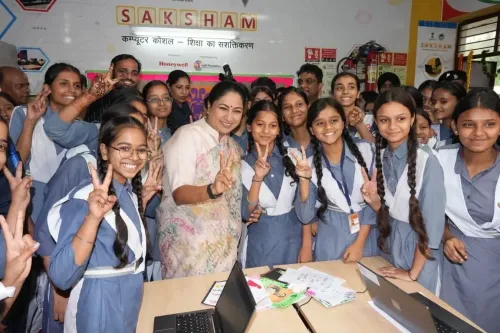
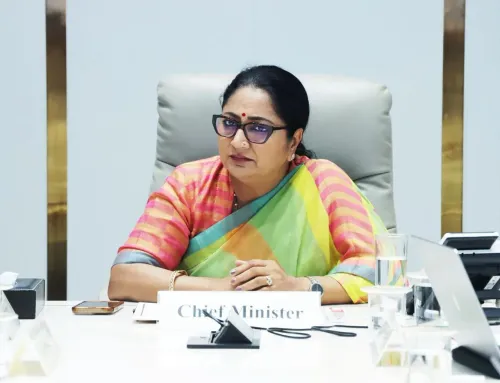
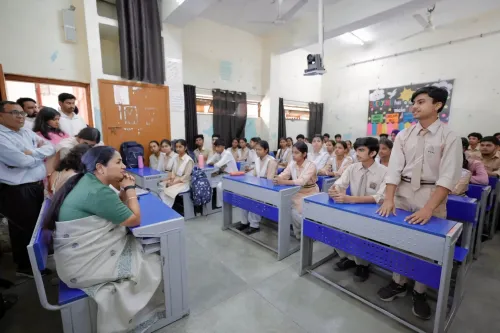
Delhi Chief Minister Rekha Gupta on Sunday, 12 July 2026, announced that Mission Kayakalp is actively transforming government schools across the capital, with every District Magistrate tasked with upgrading sanitation, drinking water and essential infrastructure in two schools during the summer vacation period.
Context
Posting on X, CM Gupta stated that while students were on summer break, the Delhi Government remained at work. 'Every District Magistrate was entrusted with transforming two schools by upgrading sanitation, drinking water facilities and essential infrastructure,' she wrote, framing the exercise as a demonstration of administrative accountability during an otherwise dormant period for schools.
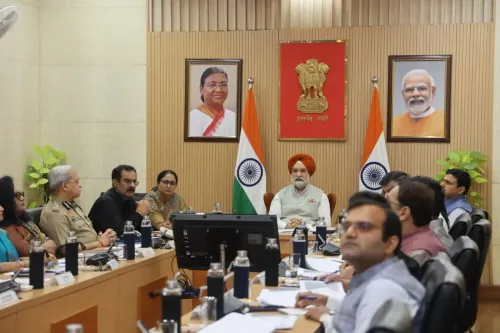
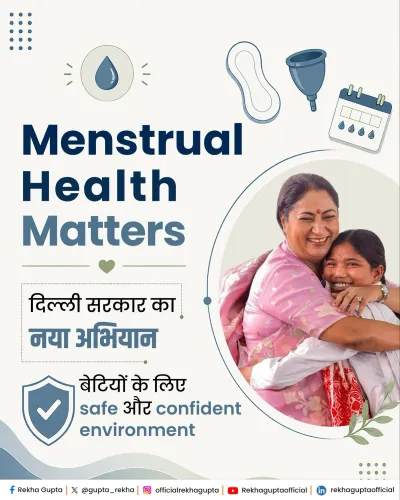
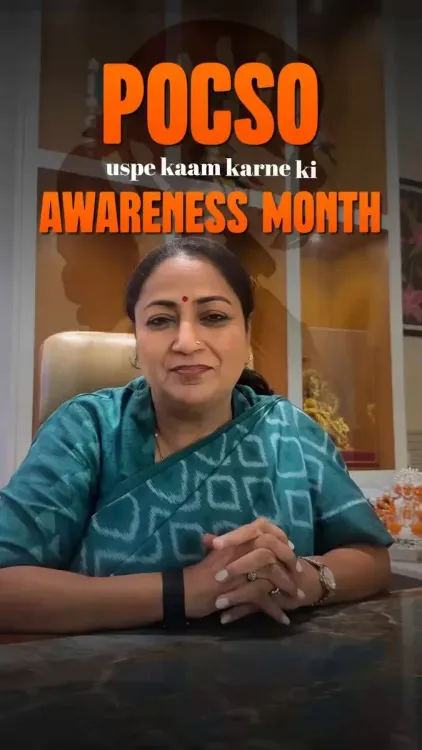
The post also highlighted that POCSO Awareness Month is ongoing, with principals of all government and private schools in Delhi reviewing compliance with a child safety checklist under the Protection of Children from Sexual Offences (POCSO) Act, 2012. The dual focus — physical infrastructure and child safety — signals a broad definition of what a 'safe learning environment' means under the current administration.
Policy Backdrop
Mission Kayakalp is a Delhi Government initiative that deploys district-level administrative machinery to drive school upgrades, combining state capacity with NGO and CSR partnerships. The model reflects a broader national pattern of phased school infrastructure renewal that Indian states have pursued since the mid-2010s.
The initiative draws from the framework of the National Education Policy (NEP) 2020, which emphasised digital infrastructure, STEM facilities and secure learning spaces as pillars of modern schooling. CM Gupta noted that AI-integrated smart toilet blocks, STEM Innovation Labs and modern computer labs are being developed through combined government, NGO and CSR efforts — a convergence of central policy direction and state-level execution.
The #ViksitDelhi hashtag used in the post directly echoes the national Viksit Bharat 2047 vision, positioning Delhi's school modernisation drive as a local contribution to India's long-term development goals.
Stakeholders and Impact
The primary beneficiaries are students enrolled in Delhi's government schools, who stand to gain from improved sanitation, reliable drinking water and technology-enabled learning facilities. School principals — both in government and private institutions — are directly engaged through the POCSO compliance review process.
NGO partners and CSR entities play a co-financing and co-implementation role, particularly in the rollout of smart infrastructure such as AI-integrated toilet blocks and STEM labs. This public-private model distributes both the cost and the operational responsibility of school transformation beyond the government budget alone.
What's Next
District-level completion reports on the schools transformed under Mission Kayakalp during the summer 2026 cycle are expected as the new academic session approaches. Annual POCSO compliance audits are also scheduled for later in the year, which will test whether the awareness-month reviews translate into sustained institutional safeguards.
The expansion of STEM Innovation Labs and smart facilities to additional Delhi government schools in the next academic session will be a key indicator of whether the programme scales beyond its current pilot footprint. The administration's ability to publish verifiable district-wise data on completed upgrades will determine how robustly the Mission Kayakalp narrative holds up to public scrutiny.
Point of View
Signalling that the BJP-led Delhi government is framing school safety in both structural and legal terms. Tying the initiative to the #ViksitDelhi hashtag anchors a state-level programme within the BJP's national Viksit Bharat 2047 narrative, a standard political move to align local delivery with central branding. The credibility of these claims will ultimately rest on whether district-wise completion data and POCSO audit results are made publicly available.
NationPress
12 Jul 2026
Frequently Asked Questions
What is Mission Kayakalp in Delhi?
Mission Kayakalp is a Delhi Government initiative under Chief Minister Rekha Gupta that tasks District Magistrates with upgrading sanitation, drinking water and essential infrastructure in government schools, often during vacation periods when schools are not in session.
What are STEM Innovation Labs in Delhi government schools?
STEM Innovation Labs are technology-enabled facilities being introduced in Delhi government schools to promote hands-on science, technology, engineering and mathematics education, developed with support from NGO and CSR partners.
What is POCSO Awareness Month and how does it affect Delhi schools?
POCSO Awareness Month is a period dedicated to raising awareness about the Protection of Children from Sexual Offences Act, 2012. During this time, principals of all government and private schools in Delhi are required to review compliance with a child safety checklist to strengthen safe learning environments.
What are AI-integrated smart toilet blocks in Delhi schools?
AI-integrated smart toilet blocks are modern sanitation facilities being developed in Delhi government schools under Mission Kayakalp, using technology to improve hygiene management, funded through a combination of government, NGO and CSR resources.
How does Mission Kayakalp connect to Viksit Bharat 2047?
The Delhi Government has framed Mission Kayakalp under the #ViksitDelhi banner, positioning the school modernisation drive as a state-level contribution to India's national Viksit Bharat 2047 development vision, which emphasises quality education and modern infrastructure.