Shivraj Singh Chouhan Plants Sapling in Memory of Col Ranveer Singh
Synopsis
Union Agriculture Minister Shivraj Singh Chouhan on 12 July 2026 planted a sapling in memory of his late brother-in-law, retired Colonel Ranveer Singh, praising his lifetime of national service and expressing gratitude to Command Hospital Pune for the colonel's care.
Key Takeaways
Union Agriculture Minister Shivraj Singh Chouhan announced the passing of his brother-in-law, retired Colonel Ranveer Singh , on 12 July 2026 .
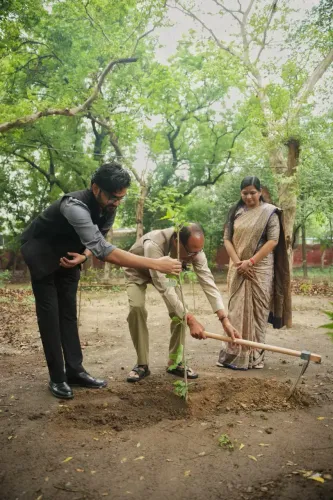
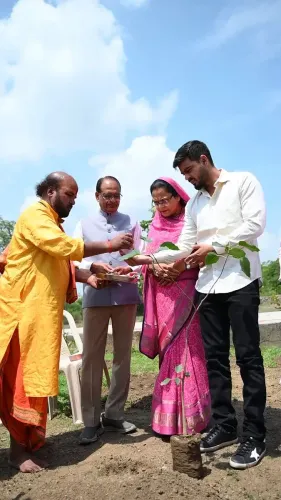
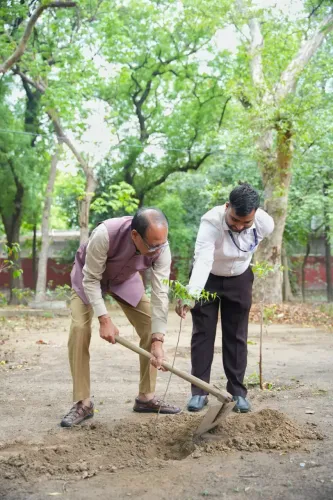
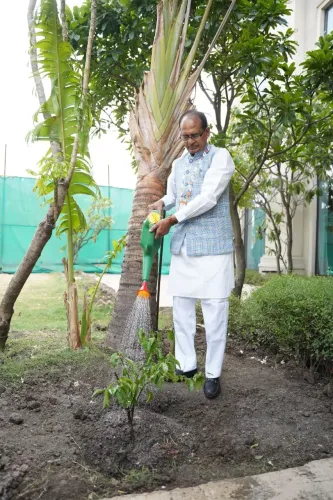
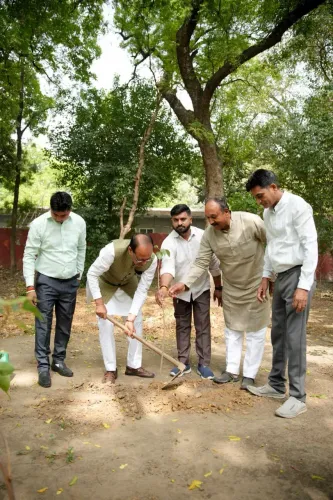
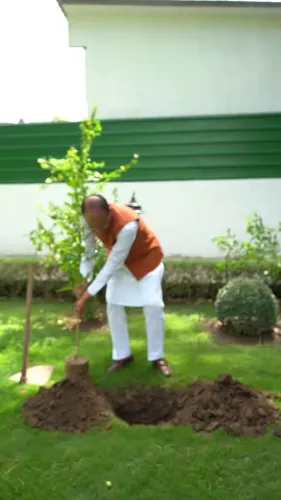
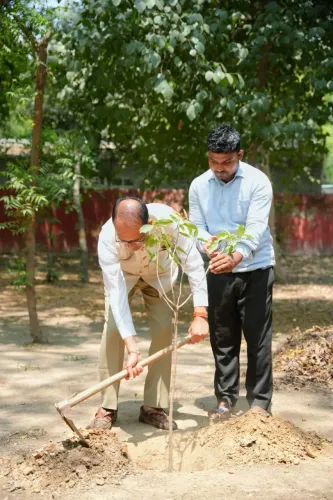
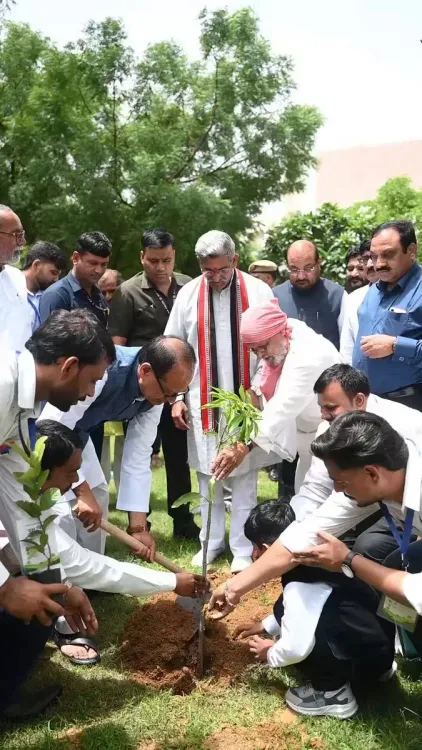
Chouhan planted a sapling in the colonel's memory, calling it a 'living symbol' of his ideals and memories.
Colonel Ranveer Singh dedicated his life to the Indian Army , embodying national service, discipline, and duty.
Chouhan publicly thanked doctors and military staff at Command Hospital, Pune for their dedicated care during the colonel's terminal illness.
Condolences were extended to the colonel's family: Kalpana ji, Upasana, Mayank, and Vihan .
The tribute reflects a broader Indian political tradition of publicly honouring family members who served in the armed forces.
Union Agriculture Minister Shivraj Singh Chouhan paid tribute on Sunday, 12 July 2026, to his late brother-in-law, retired Colonel Ranveer Singh, who passed away recently after a prolonged illness. Chouhan marked the occasion by planting a sapling in the colonel's memory, sharing his grief and gratitude publicly on X.
The Tribute
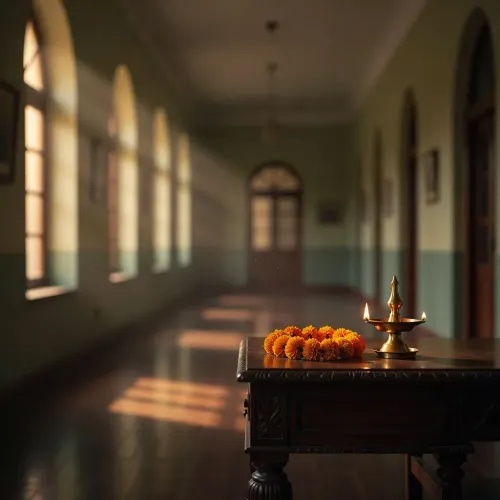
In his post, Chouhan wrote: 'मेरे साढ़ू भाई, रिटायर्ड कर्नल रणवीर सिंह जी हमें छोड़कर अनंत यात्रा पर चले गए हैं' ('My brother-in-law, retired Colonel Ranveer Singh, has left us for his eternal journey'). He described the sapling he planted as more than a tree — a living symbol of the colonel's memories and ideals, one that would keep his legacy 'forever intact.'
Chouhan noted that Colonel Ranveer Singh dedicated his entire life to national service, discipline, and duty through the Indian Army. He expressed heartfelt gratitude to the doctors and military colleagues at Command Hospital, Pune, who cared for the colonel during his terminal illness with 'dedication and sensitivity.'
Context
The act of planting a sapling as a memorial gesture carries deep resonance in Indian cultural and political life. It merges personal grief with an enduring, visible remembrance — a practice that transcends party lines and is widely understood across communities. For a senior minister with a long public career, expressing such personal loss openly is also a statement of the human dimension behind public office.
Chouhan extended his condolences to the colonel's immediate family — Kalpana ji, Upasana, Mayank, and Vihan — describing the moment as one of profound sorrow and praying for the family's strength to bear the loss.
Policy Backdrop
The Indian Army's Command Hospital in Pune is one of the premier military medical facilities in the country, serving active and retired defence personnel and their families. Chouhan's public acknowledgement of the hospital staff's care underscores the institutional support structure available to veterans and their kin — a system that remains central to military welfare policy in India.
Indian political leaders across the spectrum routinely pay public tribute when family members with military service pass away. Such statements reinforce the enduring public prestige attached to armed forces careers and the cross-party consensus on honouring those who serve in uniform.
Stakeholders and Impact
The tribute resonates with India's large community of veterans, serving personnel, and their families, for whom public acknowledgement by senior leaders carries symbolic weight. Chouhan's specific mention of the Command Hospital, Pune staff also draws attention to the role of military medical institutions in end-of-life care for veterans.
The post, shared widely on 12 July 2026, drew attention to the personal sacrifices made by military families and the grief borne privately by those in public life.
What's Next
As national observances such as Army Day and Kargil Vijay Diwas approach later in the year, public statements by serving ministers on veterans' welfare and family support schemes are likely to gain renewed attention. Chouhan's tribute may prompt broader conversations around the support systems available to the families of retired armed forces personnel in India.
Point of View
Where leaders across the spectrum use such moments to reinforce their personal connection to the armed forces and national service. The specific acknowledgement of Command Hospital Pune is notable — it subtly spotlights the institutional care available to veterans, lending the post a policy dimension beyond personal grief. As a former four-term Chief Minister now serving at the Union Cabinet level, Chouhan's expressions of personal loss carry amplified public resonance. The memorial sapling gesture, culturally familiar and visually communicative, also fits a pattern of symbolic environmental acts that double as political messaging.
NationPress
12 Jul 2026
Frequently Asked Questions
Who is Colonel Ranveer Singh and how is he related to Shivraj Singh Chouhan?
Retired Colonel Ranveer Singh was the brother-in-law of Union Agriculture Minister Shivraj Singh Chouhan. He passed away after a prolonged illness and was treated at Command Hospital, Pune.
Why did Shivraj Singh Chouhan plant a sapling on 12 July 2026?
Chouhan planted a sapling in memory of his late brother-in-law, retired Colonel Ranveer Singh, describing it as a living symbol of the colonel's memories and ideals that would keep his legacy alive.
Which hospital treated Colonel Ranveer Singh before his death?
Colonel Ranveer Singh was treated at Command Hospital, Pune, a premier military medical facility. Chouhan publicly thanked the hospital's doctors and military colleagues for their dedicated and sensitive care.
What did Shivraj Singh Chouhan say about Colonel Ranveer Singh's service?
Chouhan stated that Colonel Ranveer Singh dedicated his entire life to national service, discipline, and duty through the Indian Army, and called him a figure of deep respect and honour.
Who are the family members Shivraj Singh Chouhan condoled after Colonel Ranveer Singh's death?
Chouhan extended condolences to Kalpana ji, Upasana, Mayank, and Vihan, along with the entire family, praying that God grant them strength to bear the profound loss.