AI boom sends MLCC prices up fourfold in Shenzhen spot market
Synopsis
Postage-stamp-sized multilayer ceramic capacitors have become 2026's hottest commodity, with Shenzhen spot prices jumping up to fourfold since Chinese New Year as AI server clusters and electric vehicles simultaneously drain global MLCC supply — and distributors see no signs of a cooldown.
Key Takeaways
MLCC spot prices in Shenzhen have risen two- to fourfold since Chinese New Year 2026 , driven by demand from AI servers and electric vehicles .
Some MLCC models have surged from 10 yuan per 1,000 units to 40 yuan (US$5.90) , a 300% price increase.
Distributor Wu , who sells components from Murata Manufacturing , says purchase inquiries are high but actual transactions remain sluggish as buyers resist elevated prices.
High-capacitance MLCCs — designed to support power-hungry processors in AI clusters — are leading the price surge, though inflation is broad-based across the spot market.
Murata Manufacturing of Japan is the global MLCC market leader; Chinese domestic producers are positioned to benefit from accelerated capacity investment if prices hold.
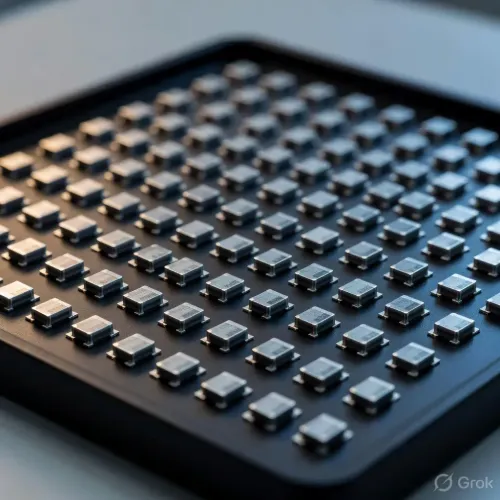
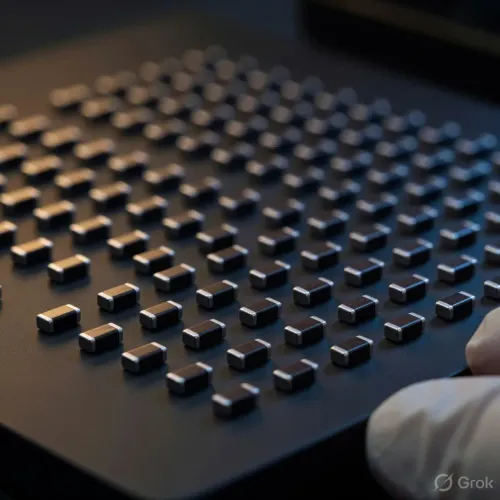
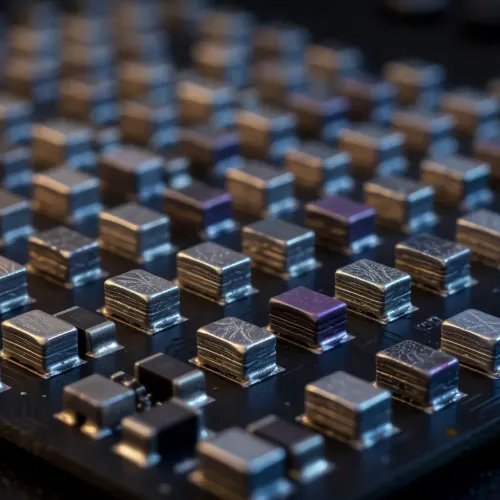
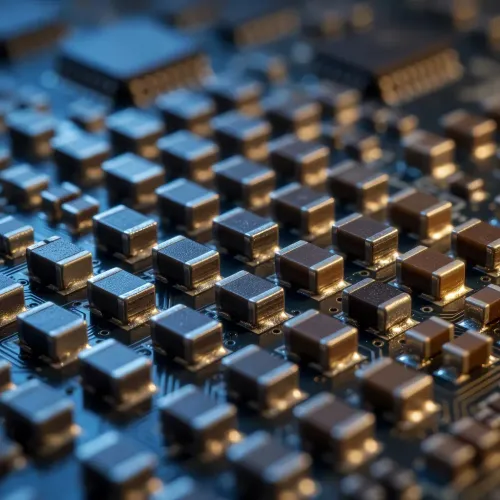
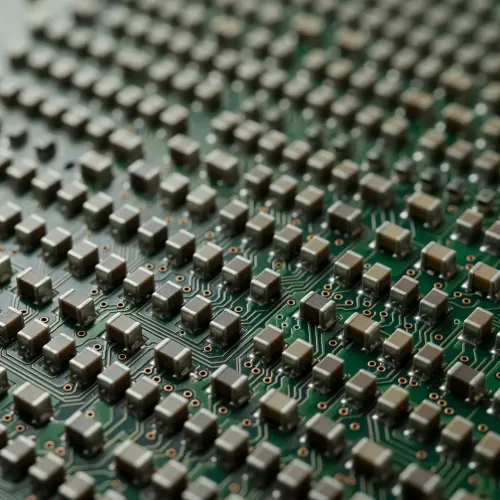
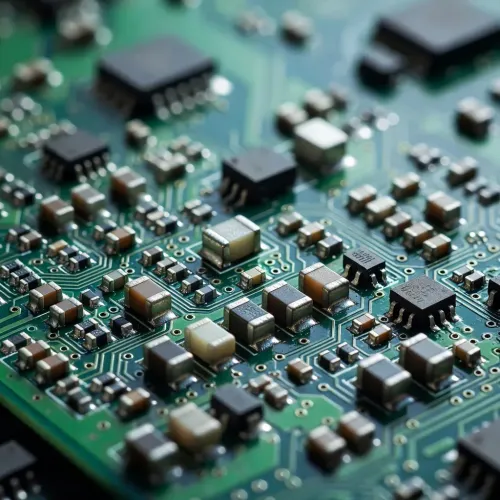
Multilayer ceramic capacitors (MLCCs) — postage-stamp-sized components critical for regulating electric currents in AI servers and electric vehicles — have surged two- to fourfold in price on the Shenzhen spot market since Chinese New Year 2026, as the global artificial intelligence buildout triggers a supply crunch that is rippling across electronics supply chains worldwide.
The component at the centre of the storm
Last year, memory chips were the scarcest commodity in Shenzhen's Huaqiangbei electronics market. In 2026, that distinction belongs to the MLCC. These minuscule passive components store and discharge electrical energy, making them indispensable for the power-hungry processors that underpin modern AI server clusters. Global manufacturing lines are scrambling to secure adequate supply as demand outstrips production capacity.
A distributor surnamed Wu, who primarily sells components from Japanese industry leader Murata Manufacturing to fellow traders and secondary distributors, confirmed that high-capacitance MLCCs — those designed to support the most demanding power loads — are at the epicentre of the price surge. 'I don't see any signs of prices cooling down,' Wu said.
Why it matters
MLCCs are among the most ubiquitous electronic components on the planet, used in everything from smartphones to industrial machinery. When their prices spike, the cost pressure cascades through virtually every hardware category. The current squeeze is being driven simultaneously by two of the most capital-intensive technology transitions of the decade: the AI infrastructure buildout and the global shift to electric vehicles.
According to Wu, some MLCC models have jumped from 10 yuan per 1,000 units to 40 yuan (US$5.90) — a 300% increase. The price hikes are not confined to high-capacitance variants; the spot market is seeing broad-based inflation across multiple MLCC categories.
Market reaction
Despite a flood of purchase inquiries at Huaqiangbei, actual transaction volumes remain subdued, according to Wu. Buyers are reportedly balking at the steep price tags, creating a standoff between sellers holding elevated inventory valuations and purchasers unwilling to lock in costs at cycle highs. This buyer hesitation is a classic feature of commodity spot markets during rapid price discovery phases.
Chinese MLCC vendors are the immediate beneficiaries, riding what distributors describe as a massive demand wave. Yet the supply side faces structural constraints: expanding MLCC manufacturing capacity requires significant lead times, meaning relief is unlikely to arrive quickly.
The competitive backdrop
Murata Manufacturing of Japan remains the global market leader in MLCCs, but Chinese domestic producers have been steadily expanding their share of the mid-tier market. The current price environment may accelerate investment in domestic Chinese MLCC capacity, echoing the pattern seen in memory chips and solar panels in prior commodity cycles.
Analysts have noted that AI server bills of materials are increasingly sensitive to passive component costs as GPU cluster densities rise, meaning sustained MLCC inflation could modestly pressure data centre capex budgets globally.
What's next
With Wu and other distributors seeing no near-term price relief, procurement teams at server manufacturers and EV makers face a difficult choice: absorb higher component costs or delay builds. The trajectory of MLCC prices in Shenzhen's spot market over the coming months will serve as an early indicator of whether the broader AI hardware supply chain is tightening further or beginning to rebalance.
Point of View
Fixated on GPUs and HBM memory, has largely overlooked. When passive components priced in fractions of a cent become a bottleneck, it exposes how thinly diversified the AI supply chain remains outside of a handful of flagship chips. The simultaneous demand pull from electric vehicles compounds the squeeze in a way that neither sector alone would generate, and it mirrors the 2021 automotive chip shortage in its cross-industry character. If Chinese domestic MLCC producers respond with aggressive capacity expansion — as they did in solar and memory — the current price spike could sow the seeds of its own reversal within 18 to 24 months.
NationPress
19 Sept 2026
Frequently Asked Questions
What is an MLCC and why are prices rising in 2026?
A multilayer ceramic capacitor (MLCC) is a tiny passive electronic component that regulates electric current in devices ranging from smartphones to AI servers. Prices have surged two- to fourfold in Shenzhen's spot market since Chinese New Year 2026 because soaring demand from AI server clusters and electric vehicles has outpaced available supply.
How much have MLCC prices increased?
According to distributor Wu in Shenzhen, some MLCC models have risen from 10 yuan per 1,000 units to 40 yuan (US$5.90) — a 300% increase. High-capacitance variants used in AI processors have seen the steepest gains, with prices jumping two- to fourfold since Chinese New Year 2026.
Which companies are most affected by the MLCC shortage?
AI server manufacturers, electric vehicle makers, and the broader electronics supply chain are most exposed to the MLCC price surge. Murata Manufacturing of Japan, the global MLCC market leader, is a key supplier whose components are already commanding premium prices in Shenzhen's secondary distribution market.
Will MLCC prices come down soon?
Distributor Wu, active in Shenzhen's Huaqiangbei electronics market, says there are no signs of prices cooling down as of mid-June 2026. Expanding MLCC manufacturing capacity requires significant lead times, suggesting near-term relief is unlikely without a sharp drop in AI infrastructure or EV demand.
How does the MLCC shortage compare to previous chip shortages?
The 2026 MLCC crunch echoes the 2021 global chip shortage in that it is driven simultaneously by multiple high-growth sectors — AI and electric vehicles — rather than a single industry. Like the automotive chip crisis, it highlights how quickly passive components, often overlooked in supply chain planning, can become critical bottlenecks during technology transitions.