Chinese MLCC stocks surge 180% as AI data centre demand hits five-year high
Synopsis
Chinese MLCC makers including Guangdong Fenghua and Chaozhou Three-Circle have surged up to 180% in 2026 as AI data centre construction pushes global shipments from Murata, SEMCO, and Taiyo Yuden to a five-year high in June — signalling a structural, not cyclical, demand shift.
Key Takeaways
Guangdong Fenghua Advanced Technology hit the Shenzhen exchange's 10 per cent daily limit for the second time in one week on 29 July 2026 , with shares up more than 180 per cent year-to-date.
Suzhou GYZ Electronic Technology surged 20 per cent to its daily limit on Shanghai 's Star Market on the same day.
Chaozhou Three-Circle climbed roughly 8 per cent in Shenzhen and 5 per cent in Hong Kong , bringing its 2026 gain above 130 per cent .
Upstream suppliers Jiangsu Boqian New Materials (+~ 6 per cent ) and Shandong Sinocera Functional Materials (+~ 3.5 per cent ) also advanced on 29 July 2026 .
Global monthly MLCC shipments from Murata Manufacturing , Samsung Electro-Mechanics , and Taiyo Yuden hit a five-year high in June 2026 , according to TrendForce .
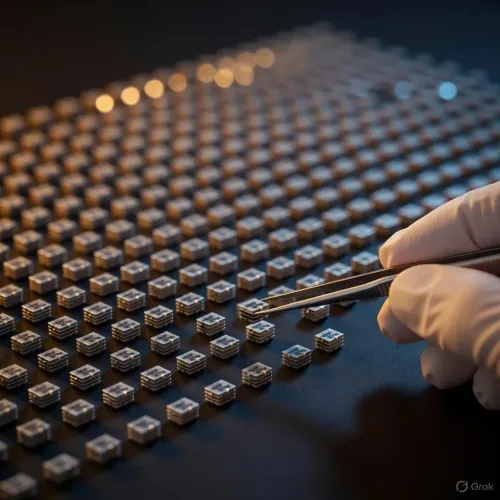
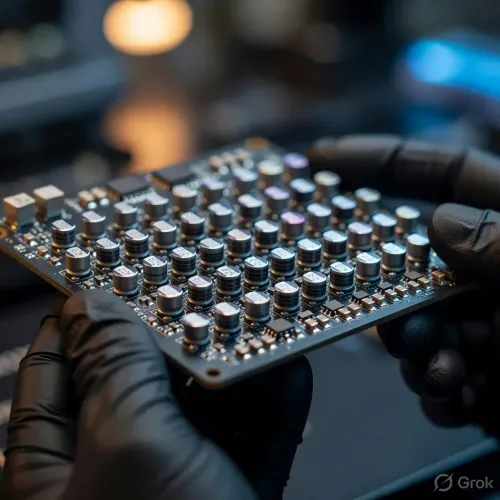
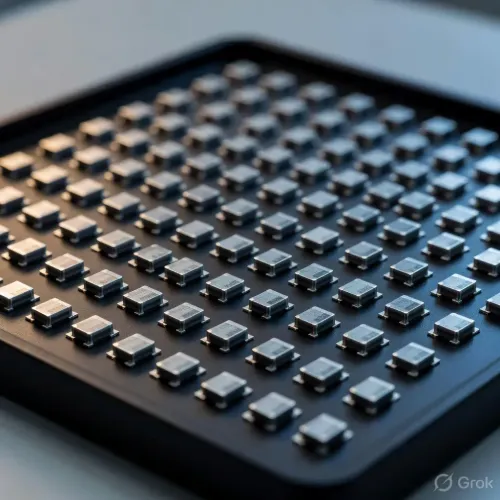
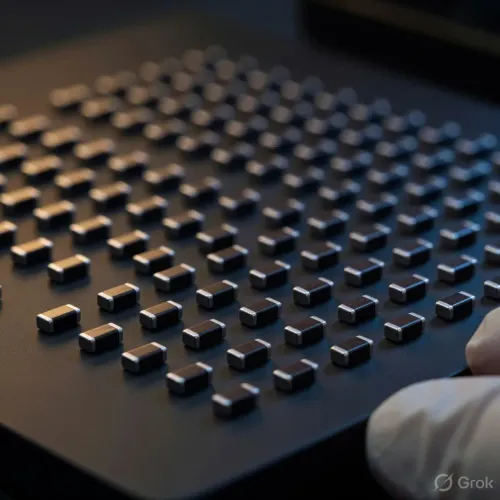
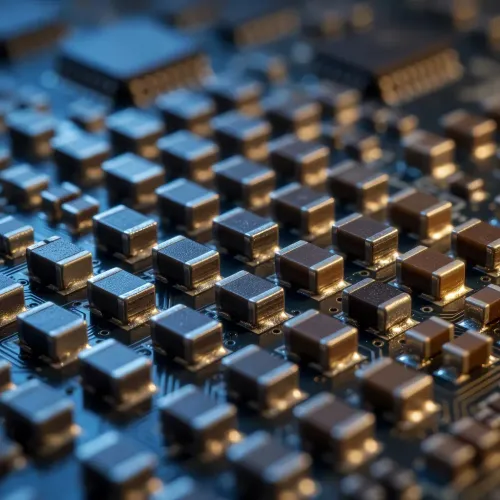
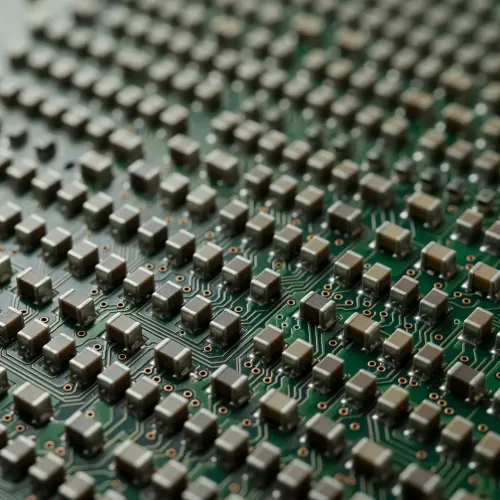
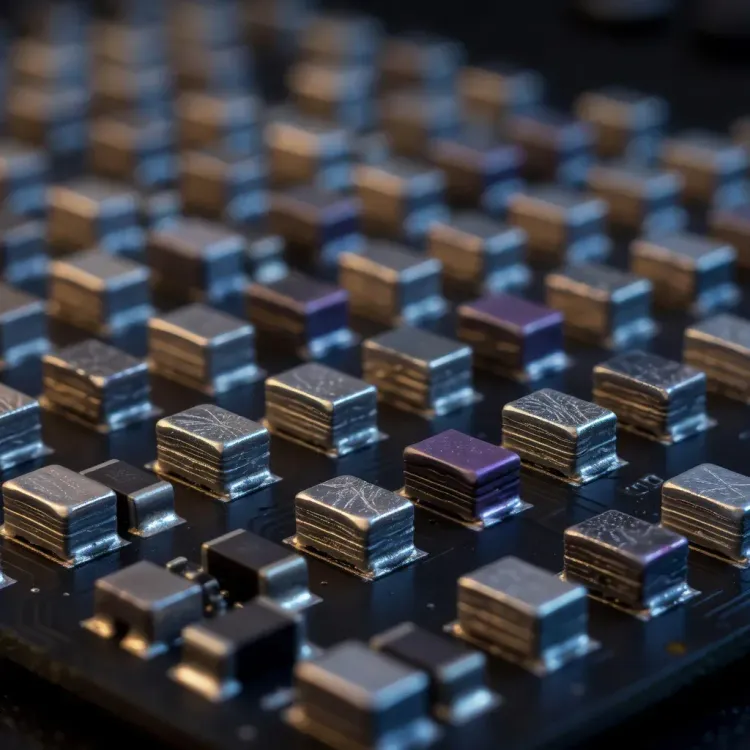
MLCCs — dubbed the 'rice of the electronics industry' — are critical components in AI servers, electric vehicles, and smartphones.
China's multilayer ceramic capacitor (MLCC) sector is experiencing a dramatic stock rally driven by surging first-half earnings, as the global buildout of artificial intelligence infrastructure pushes demand for these critical electronic components to multi-year highs. Shares of leading domestic producers hit exchange-imposed daily limits on Wednesday, 29 July 2026, extending gains that have already topped 180 per cent for some names this year.
The rally in numbers
Guangdong Fenghua Advanced Technology, one of China's foremost producers of consumer-grade MLCCs and listed on the Shenzhen exchange, hit the bourse's 10 per cent daily limit on Wednesday — the second time this week it reached the ceiling — capping a year-to-date gain of more than 180 per cent. Suzhou GYZ Electronic Technology jumped 20 per cent to its daily limit on Shanghai's Nasdaq-style Star Market.
Chaozhou Three-Circle, a major domestic manufacturer of high-capacitance MLCCs, climbed around 8 per cent on the Shenzhen exchange, pushing its year-to-date advance above 130 per cent. Its Hong Kong-listed shares also rose 5 per cent on the same day.
Upstream suppliers ride the wave
The momentum extended to raw-material suppliers further up the value chain. Jiangsu Boqian New Materials gained nearly 6 per cent, while Shandong Sinocera Functional Materials rose almost 3.5 per cent on Wednesday. The broad-based advance signals that investors are pricing in sustained demand across the entire MLCC supply chain, not just at the finished-component level.
Why it matters: the 'rice of electronics'
MLCCs are often called the 'rice of the electronics industry' because of their diminutive size and sheer ubiquity — they are essential in everything from smartphones and electric vehicles to the AI servers underpinning the current technology supercycle. The rapid expansion of power-hungry AI data centres and computing clusters has created acute supply constraints for high-capacitance variants, pushing prices higher and fattening producer margins.
Monthly shipments from the world's three largest MLCC suppliers — Japan's Murata Manufacturing, South Korea's Samsung Electro-Mechanics (SEMCO), and Japan's Taiyo Yuden — reached a five-year high in June 2026, according to a report published on Tuesday, 29 July 2026 by market research firm TrendForce.
Competitive backdrop
The global MLCC market has historically been dominated by Japanese and South Korean giants, but Chinese producers have been steadily climbing the value chain toward higher-specification, high-capacitance products that command premium pricing. The current AI-driven demand surge is accelerating that shift, as domestic manufacturers benefit from both volume growth and improving average selling prices.
What's next
With AI infrastructure spending showing no sign of abating and global shipment volumes already at five-year highs, analysts will be watching whether Chinese producers can sustain margin expansion into the second half of 2026 and whether supply constraints ease as capacity investments come online. Any softening in hyperscaler capex or a demand pivot away from current server architectures remains the principal downside risk for the sector.
Point of View
And Chinese producers are now capturing margin that once flowed almost exclusively to Japanese and Korean incumbents. What mainstream coverage underplays is the supply-chain substitution dynamic — as Western chip restrictions push Chinese hyperscalers toward domestically sourced components, firms like Guangdong Fenghua and Chaozhou Three-Circle benefit from both volume and a quiet import-substitution tailwind. The five-year shipment high at Murata, SEMCO, and Taiyo Yuden also confirms that this is a genuine demand story, not speculative positioning. The key risk is a capex plateau: if hyperscaler spending slows in late 2026, the sector's lofty valuations — up 130–180 per cent in seven months — leave little room for disappointment.
NationPress
28 Oct 2026
Frequently Asked Questions
Why are Chinese MLCC stocks surging in 2026?
Chinese MLCC stocks are surging because explosive first-half earnings have been fuelled by soaring global demand for high-capacitance MLCCs used in AI data centres and computing clusters. The rapid buildout of AI infrastructure has created supply constraints, lifting both volumes and prices for domestic producers such as Guangdong Fenghua Advanced Technology and Chaozhou Three-Circle.
What is an MLCC and why is it called the 'rice of electronics'?
A multilayer ceramic capacitor (MLCC) is a tiny passive component that regulates electrical flow in electronic devices. It is nicknamed the 'rice of the electronics industry' because of its minuscule size and the enormous quantities required in products ranging from smartphones and electric vehicles to AI servers.
Which Chinese MLCC companies have seen the biggest stock gains?
Guangdong Fenghua Advanced Technology leads with a year-to-date gain of more than 180 per cent as of 29 July 2026, hitting the Shenzhen exchange's 10 per cent daily limit twice in one week. Chaozhou Three-Circle is up more than 130 per cent year-to-date, while Suzhou GYZ Electronic Technology jumped 20 per cent in a single session on Shanghai's Star Market.
What did TrendForce say about global MLCC shipments?
Market research firm TrendForce reported on 29 July 2026 that monthly MLCC shipments from the world's three largest suppliers — Japan's Murata Manufacturing, South Korea's Samsung Electro-Mechanics, and Japan's Taiyo Yuden — reached a five-year high in June 2026. The data confirms that demand is broadly based and not limited to Chinese domestic producers.
What is the outlook for Chinese MLCC makers in the second half of 2026?
The near-term outlook remains positive as AI infrastructure spending continues to drive high demand for high-capacitance MLCCs. However, valuations have risen sharply — up 130–180 per cent for leading names — meaning any slowdown in hyperscaler capital expenditure or an easing of supply constraints could trigger a correction.