China MLCC makers target HKEX listings as AI server demand surges
Synopsis
Goldman Sachs calls it the 'largest and longest' MLCC upcycle ever — and two Chinese component makers are racing to HKEX to raise capital before the AI infrastructure wave crests. One already holds an 11% global share of MLCC nickel powders.
Key Takeaways
Chaozhou Three-Circle , one of China 's largest MLCC manufacturers, passed its HKEX listing hearing in the week of 22 June 2026 , with the IPO sponsored by China Galaxy International .
Jiangsu Boqian New Materials filed its HKEX prospectus in the same week, disclosing it was the world's second-largest MLCC nickel powder supplier in 2025 with an 11 per cent global market share, per Frost & Sullivan .
Goldman Sachs has described the current MLCC market as the 'largest and longest' upcycle in the component's history, driven by AI data centre buildout.
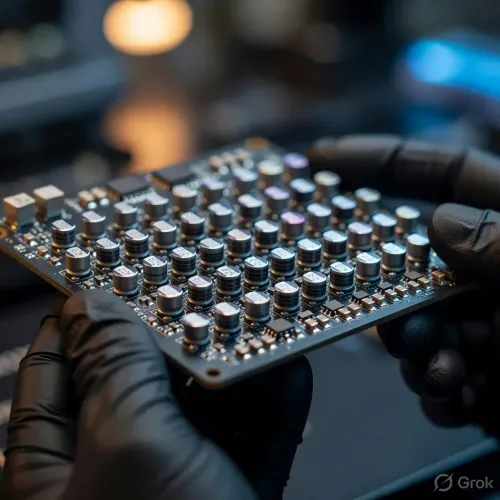
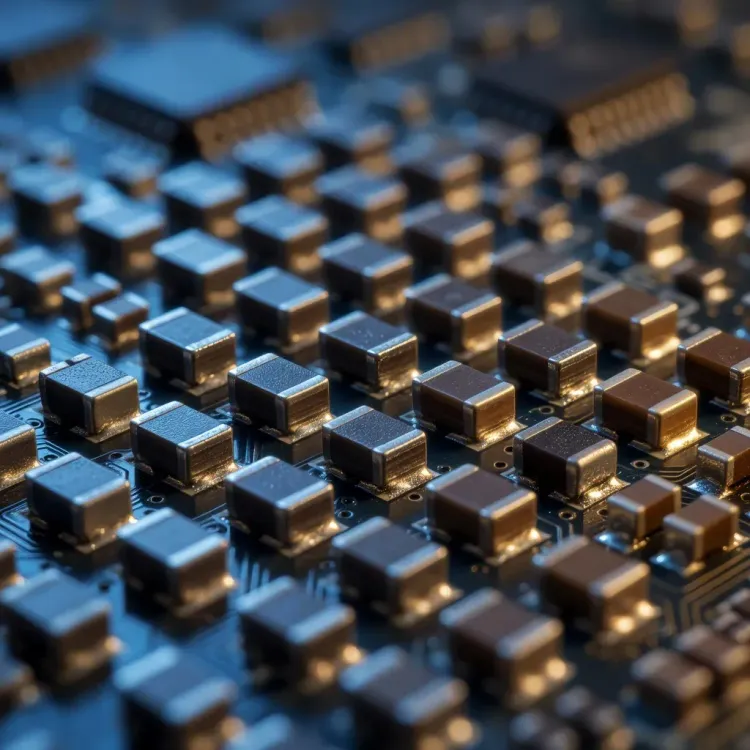
MLCCs are used across smartphones, electric vehicles, AI servers , and data centres, earning them the nickname the 'rice of the electronics industry' .
Both companies are already listed on mainland Chinese exchanges — Shenzhen and Shanghai respectively — making these secondary international listings.
Chaozhou Three-Circle and Jiangsu Boqian New Materials are pursuing Hong Kong stock market listings to capitalise on a structural boom in demand for multilayer ceramic capacitors (MLCCs) — the miniature electronic components now central to AI data centre infrastructure. Both companies moved to advance their HKEX filings in the week of 22 June 2026, signalling confidence that the AI-driven electronics upcycle has further to run.
Two listings, one mega-trend
Chaozhou Three-Circle, already listed on the Shenzhen Stock Exchange and one of China's largest MLCC manufacturers, cleared its listing hearing at Hong Kong Exchanges and Clearing (HKEX) last week. Its initial public offering is being sponsored by China Galaxy International. Shanghai-listed Jiangsu Boqian New Materials, a specialist in the metal powders used to manufacture MLCC electrodes, filed its prospectus with HKEX in the same period.
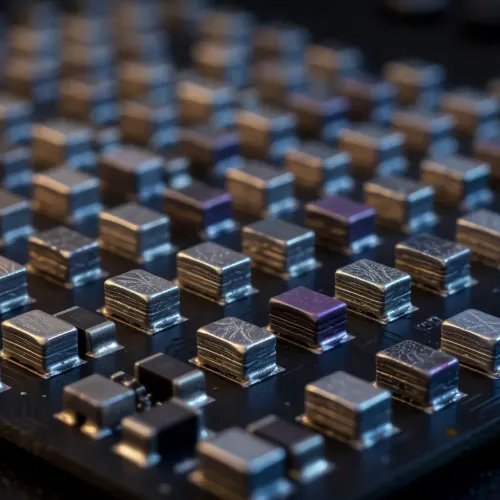
In its prospectus, Jiangsu Boqian cited Frost & Sullivan data showing it ranked as the world's second-largest supplier of MLCC nickel powders in 2025, commanding an 11 per cent global market share. Nickel powder is a critical raw material used to form the internal electrodes of MLCCs.
Why it matters
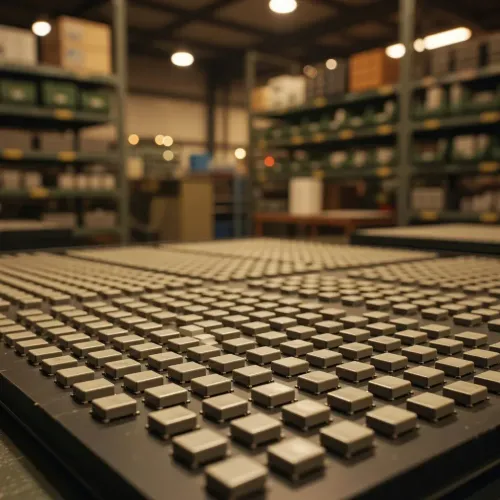
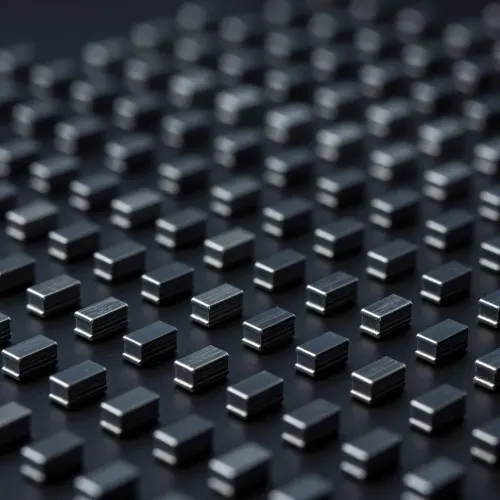
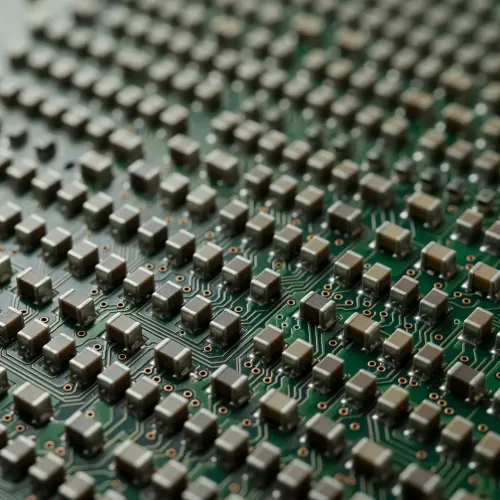
MLCCs are so pervasive in modern electronics that industry insiders call them the 'rice of the electronics industry' — tiny, ubiquitous, and indispensable. They appear in everything from smartphones and electric vehicles to AI servers and large-scale data centres. As the buildout of power-intensive AI computing clusters accelerates globally, demand for high-capacitance MLCCs has risen sharply, creating supply constraints across the sector.
Goldman Sachs has described the current environment as the 'largest and longest' upcycle in the history of the MLCC industry — a characterisation that appears to be driving both companies' decisions to tap international capital markets.
The competitive backdrop
The global MLCC market has historically been dominated by Japanese and South Korean manufacturers, including Murata Manufacturing and Samsung Electro-Mechanics. Chinese producers have been steadily closing the technology gap, and dual listings on HKEX would give companies like Chaozhou Three-Circle and Jiangsu Boqian access to a broader pool of international institutional investors — and greater visibility in global supply chain conversations.
What's next
The timing of both companies' HKEX moves suggests they are positioning to raise capital before any potential cooling in AI infrastructure spending. Investors will be watching whether the IPO valuations reflect the Goldman Sachs upcycle thesis or price in the risk of demand normalisation. The pace of AI data centre construction — particularly in the United States, Southeast Asia, and the Middle East — will be the single most important variable for both listings going forward.
Point of View
With both firms seeking to lock in premium valuations while the Goldman Sachs 'largest and longest upcycle' narrative still commands investor attention. What mainstream coverage tends to underplay is the upstream angle: Jiangsu Boqian's nickel powder position means the real bottleneck in an AI server supply crunch may sit several tiers below the chip — in raw materials few analysts track. The dual-listing strategy also signals that Chinese component makers are increasingly comfortable bypassing domestic capital constraints by accessing global institutional money through Hong Kong, a trend that carries its own geopolitical undertow as Western scrutiny of China-linked supply chains intensifies. If AI capex spending decelerates faster than expected, both IPOs could face a valuation reset before they even begin trading.
NationPress
20 Sept 2026
Frequently Asked Questions
What are Chaozhou Three-Circle and Jiangsu Boqian planning in Hong Kong?
Both companies are seeking listings on the Hong Kong Exchanges and Clearing (HKEX) . Chaozhou Three-Circle passed its listing hearing in the week of 22 June 2026 , while Jiangsu Boqian New Materials filed its prospectus with HKEX in the same period.
Why are MLCC companies pursuing IPOs now?
The AI-driven buildout of data centres and computing clusters has sharply increased demand for high-capacitance MLCCs, creating supply constraints. Goldman Sachs has called this the 'largest and longest' upcycle in MLCC industry history, making it an attractive moment to raise international capital.
What is Jiangsu Boqian's position in the global MLCC market?
Jiangsu Boqian New Materials was ranked the world's second-largest supplier of MLCC nickel powders in 2025 , with an 11 per cent global market share, according to data from Frost & Sullivan cited in its HKEX prospectus.
What are MLCCs and why do they matter for AI?
Multilayer ceramic capacitors (MLCCs) are miniature electronic components used in smartphones, electric vehicles, AI servers, and data centres — so ubiquitous they are called the 'rice of the electronics industry' . The rapid expansion of AI infrastructure has driven a surge in demand for high-capacitance versions of these components.
Who else competes in the global MLCC market?
The global MLCC market has traditionally been led by Japanese and South Korean firms. Chinese manufacturers like Chaozhou Three-Circle have been closing the technology gap, and HKEX listings would give them greater access to international institutional investors and supply chain visibility.