CM Bhajan Lal Hails ₹23,731 Cr GobarDhan Cabinet Nod
Synopsis
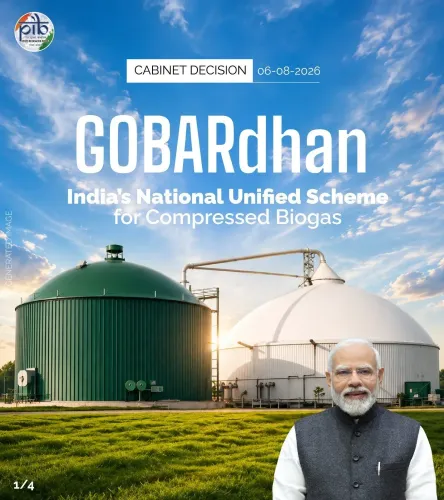
The Union Cabinet approved the GobarDhan scheme with a ₹23,731 crore budget to convert biomass and organic waste into clean energy and fertiliser. Rajasthan CM Bhajan Lal Sharma called it a historic step for rural prosperity and the Atmanirbhar Bharat mission.
Key Takeaways
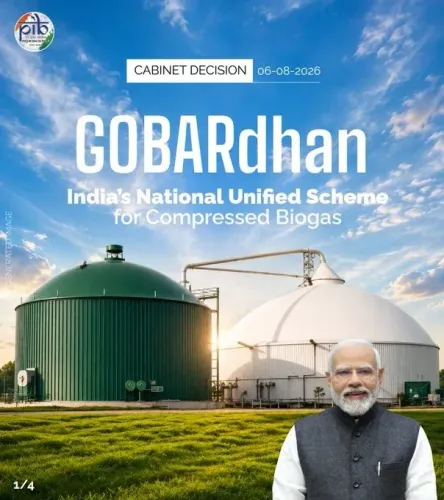
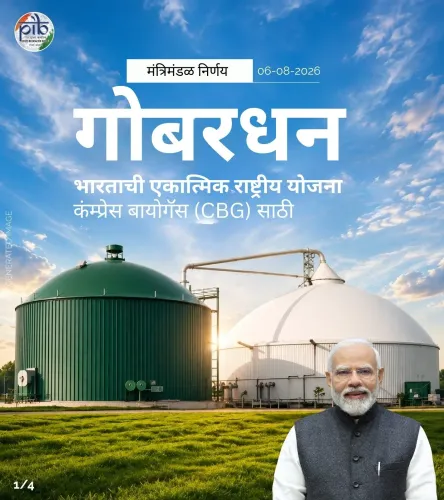
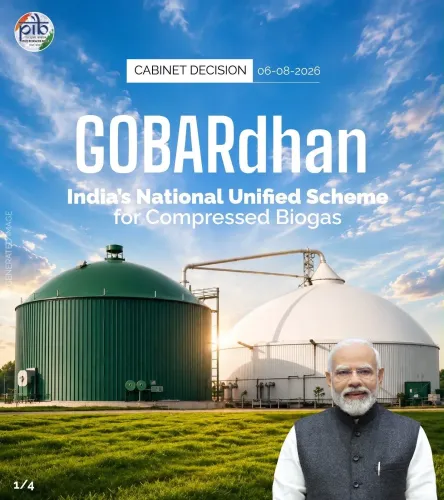
The Union Cabinet, chaired by PM Narendra Modi , approved the National Circular Bio-Economy Scheme 'GobarDhan' with a budget of ₹23,731 crore .
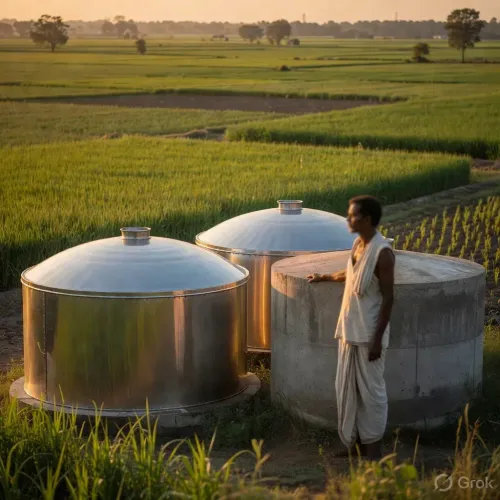
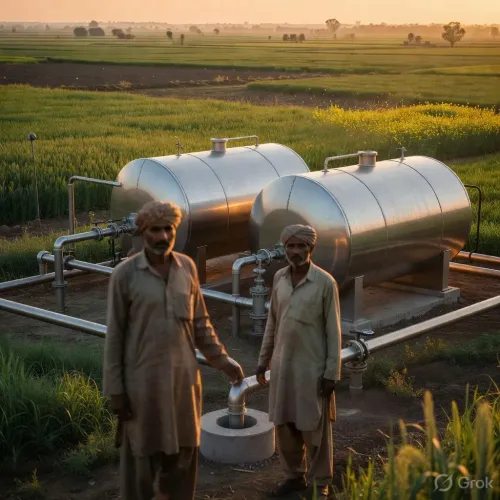
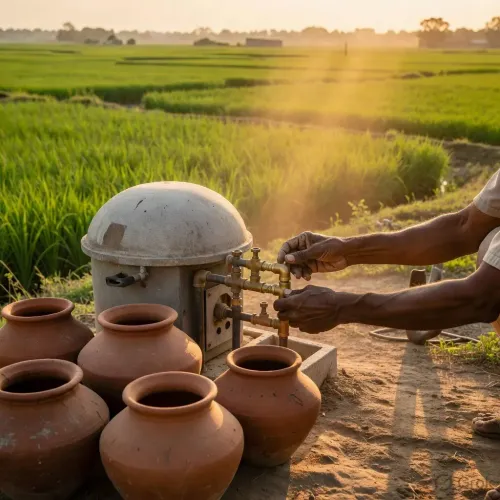
The scheme will convert biomass, cattle dung, and organic waste into biogas, compressed bio-gas, and organic fertiliser.
Small farmers and rural entrepreneurs are the primary target beneficiaries, with a direct income-enhancement mandate.
GobarDhan originated in 2018 under the Swachh Bharat Mission-Gramin ; this approval marks a major national scale-up.
The scheme links India's circular-economy goals with stubble-burning reduction and fossil-fuel import dependence.
Rajasthan CM Bhajan Lal Sharma welcomed the decision on 6 August 2026 , framing it as central to the Atmanirbhar Bharat vision.
India's rural economy just got a major policy push — the Union Cabinet, chaired by Prime Minister Narendra Modi, has approved the National Circular Bio-Economy Scheme 'GobarDhan' with an outlay of ₹23,731 crore, a decision that promises to turn cattle dung, crop residue, and organic waste into clean energy and fertiliser for millions of villages. Rajasthan Chief Minister Bhajan Lal Sharma welcomed the move on Thursday, 6 August 2026, calling it a historic step in converting the country's biological wealth into clean energy and rural prosperity.
From Waste to Wealth: What the GobarDhan Scheme Does
Sharma, posting in Hindi, described the scheme as converting 'देश की जैविक संपदा' — the nation's biological wealth — into clean energy and organic manure. Under the approved plan, biomass and organic waste will be processed through biogas and compressed bio-gas plants, generating both a clean fuel alternative and bio-fertiliser that can replace chemical inputs on farms. The scheme explicitly targets small farmers and rural entrepreneurs as its primary beneficiaries, promising a direct income boost alongside the environmental dividend.
GobarDhan's Roots in the Swachh Bharat Mission
This is not a fresh idea — it is a significantly scaled-up evolution. The original GOBAR-DHAN scheme was launched in 2018 under the Swachh Bharat Mission-Gramin, piloting biogas plants that used cattle dung and agricultural residue. That early phase established the proof of concept; the new ₹23,731 crore approval is the central government's bet that the model is ready to go national at scale. The move also fits squarely into India's broader push to curb stubble burning — one of the most visible and politically charged pollution crises in North India — by giving farmers an economic reason to treat crop residue as a resource rather than a liability.
Atmanirbhar Bharat and the Circular-Economy Logic
Sharma framed the Cabinet decision as giving 'new momentum' to the Atmanirbhar Bharat mission — the government's self-reliance campaign. The logic is circular in the best sense: agricultural waste generates energy, that energy reduces import dependence on fossil fuels, and the organic fertiliser by-product reduces dependence on imported chemical fertilisers. For a state like Rajasthan, with a large agrarian base and significant livestock population, the downstream opportunity from new biogas infrastructure could be substantial — and state-level rollout of plants will be the first real test of whether the approved outlay translates into ground-level impact.
The kicker is in the numbers: if the scheme delivers even a fraction of its potential, India's villages stop being waste generators and start being energy producers. That is the bet Modi's cabinet just placed — and Rajasthan's chief minister is already signalling the state is ready to play.
Point of View
The BJP frames energy self-reliance and farmer income as a single political deliverable — a potent combination ahead of any electoral cycle. For Rajasthan, CM Sharma's enthusiastic endorsement positions the state as a frontrunner for early plant allocations, which would be a tangible win for a government keen to show agricultural policy in action. The real test, however, will be whether the central outlay reaches village-level biogas infrastructure or stalls in the implementation pipeline as earlier phases partly did.
NationPress
6 Aug 2026
Frequently Asked Questions
What is the GobarDhan scheme approved by the Cabinet?
GobarDhan — the National Circular Bio-Economy Scheme — is a central government programme that converts cattle dung, biomass, and organic waste into biogas, compressed bio-gas, and organic fertiliser. The Cabinet approved it with a budget of ₹23,731 crore.
Who will benefit from the GobarDhan scheme?
The scheme primarily targets small farmers and rural entrepreneurs, aiming to boost their income by turning agricultural residue and organic waste into saleable energy and fertiliser products.
When was GobarDhan first launched in India?
The original GOBAR-DHAN scheme was launched in 2018 under the Swachh Bharat Mission-Gramin to set up biogas plants using cattle dung and agricultural residue. The 2026 Cabinet decision is a large-scale national expansion of that programme.
What did Rajasthan CM Bhajan Lal Sharma say about the GobarDhan approval?
CM Sharma called the Cabinet's decision 'historic', saying it would convert India's biological wealth into clean energy and rural prosperity, and give new momentum to the Atmanirbhar Bharat mission.
How does GobarDhan help reduce stubble burning?
By treating crop residue as an economic input for biogas production rather than waste, the scheme gives farmers a financial incentive to sell or process stubble instead of burning it — directly addressing one of North India's most severe seasonal pollution problems.