Apple Takes the Lead in Global Smartphone Shipments for Q1 2026
Synopsis
Apple has emerged as the leader in the global smartphone market for the first time, achieving a 21% market share in Q1 2026. Despite challenges in the industry, strong demand for the iPhone 17 series and successful strategies in Asia-Pacific markets contributed to this growth. Discover the trends shaping the smartphone landscape.
Key Takeaways
Apple's market leadership in Q1 2026 with 21% share 5% YoY growth attributed to strong iPhone demand Global smartphone shipments declined by 6% Increased focus on premium models by manufacturers Continued memory shortages expected into late 2027
According to a report released on Friday, Apple has captured the lead in the global smartphone sector during the first quarter (Q1) of 2026, marking its first time at the forefront with a 21% market share and a 5% year-on-year growth. This achievement underscores Apple's resilience amidst the ongoing memory crisis, attributed to its premium market positioning and efficient supply chain, as noted by preliminary data from Counterpoint Research’s Market Monitor.
The sustained demand for the iPhone 17 series, along with strategic trade-in initiatives and a strong ecosystem, contributed to volume growth despite a challenging macroeconomic climate.
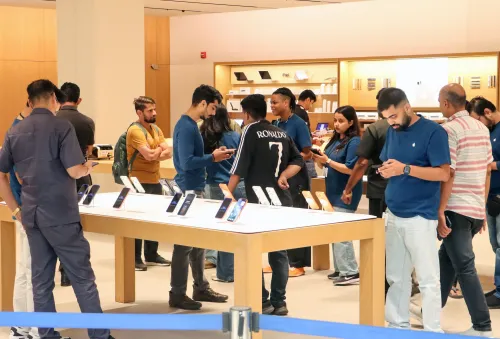
Notably, Apple experienced significant growth in vital Asia-Pacific markets, including India, China, and Japan, indicating a robust appetite for iPhones and effective market strategies in these regions.
Overall, the global smartphone market faced pressure in Q1 2026, with shipments decreasing by 6% year-on-year due to DRAM and NAND memory shortages and declining consumer demand.
While certain areas showed relative stability, the broader market sentiment remained cautious as manufacturers adjusted pricing and production methods, resulting in product delays and fewer launches. Consumers also refrained from discretionary spending amid tensions in the Middle East.
Some manufacturers anticipated rising component prices and logistics costs, which helped mitigate a more significant decline in shipments.
Despite a drop in shipments for Samsung during Q1, the early success of the S26 series was notable, particularly for its Ultra variant, which garnered strong interest due to its advanced hardware and integrated AI features.
To cope with increasing cost pressures, Samsung further refined its product lineup, focusing on entry-level products and enhancing premium models, effectively increasing starting prices while maintaining a high-end market presence.
The outlook for 2026 appears bleak, as the memory shortage is expected to extend into late 2027. Manufacturers are likely to shift their focus towards value rather than volume, updating configurations, reducing low-margin offerings, and utilizing refurbished devices to maintain budget-conscious consumers.
Point of View
It's clear that Apple's ascendancy in the smartphone market during a challenging quarter reflects its strategic prowess and solid demand. However, the broader market's decline indicates ongoing challenges that manufacturers must navigate, particularly in terms of supply chain constraints and shifting consumer behavior.
NationPress
15 Sept 2026
Frequently Asked Questions
What market share did Apple achieve in Q1 2026?
Apple achieved a 21% market share in the global smartphone market during Q1 2026.
How much did global smartphone shipments decline in Q1 2026?
Global smartphone shipments declined by 6% year-on-year in Q1 2026.
What factors contributed to Apple's growth in Q1 2026?
Apple's growth was driven by strong demand for the iPhone 17 series, effective trade-in programs, and a solid ecosystem.
Which markets showed strong demand for iPhones?
Key Asia-Pacific markets such as India, China, and Japan showed robust demand for iPhones.
What challenges is the smartphone market facing?
The smartphone market is facing challenges due to memory shortages, declining consumer demand, and cautious market sentiment.