Xiaomi 18 Fold launches with in-house Xring O3 chip at ¥10,999

Synopsis
Xiaomi's 18 Fold foldable phone launches with the in-house Xring O3 chip — 24 billion transistors, 60% faster CPU, 25% lower power — and CXMT domestic memory, priced at ¥10,999. It's the clearest sign yet that Xiaomi is building a vertically integrated hardware empire to rival Apple and Huawei simultaneously.
Key Takeaways
Xiaomi unveiled the 18 Fold foldable smartphone on 7 September 2026 at a launch event in Beijing .
The device is powered by the proprietary Xring O3 SoC, which contains 24 billion transistors — a 26% jump over the predecessor Xring O1 .
Xring O3 delivers 60% higher CPU performance and 25% lower power consumption in certain tasks compared to the O1 , according to Lei Jun .
The 18 Fold uses LPDDR6 memory from domestic supplier ChangXin Memory Technologies (CXMT) , deepening reliance on Chinese components.
The phone is priced from 10,999 yuan (US$1,639) and goes on sale at 10am Thursday .
Xiaomi also announced new models of its premium Skynomad SUV at the same event, extending its push into electric vehicles.
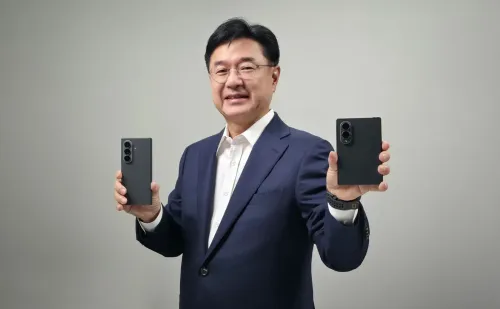
Xiaomi unveiled its most ambitious hardware lineup to date on Monday, 7 September 2026, anchored by the Xiaomi 18 Fold — a flagship foldable smartphone powered by the company's proprietary Xring O3 system-on-chip — as the Beijing-based tech giant intensifies its challenge against Apple, Huawei Technologies, and Tesla across both consumer electronics and electric vehicles.
What Xiaomi announced
Lei Jun, founder and CEO of Xiaomi, took the stage at a launch event in Beijing to introduce the 18 Fold, which features a 7.58-inch inner display, the in-house Xring O3 SoC, and LPDDR6 memory chips sourced from ChangXin Memory Technologies (CXMT). The device goes on sale at 10am on Thursday, priced from 10,999 yuan (approximately US$1,639). Alongside the phone, Xiaomi also revealed new variants of its premium Skynomad SUV lineup.
Inside the Xring O3 chip
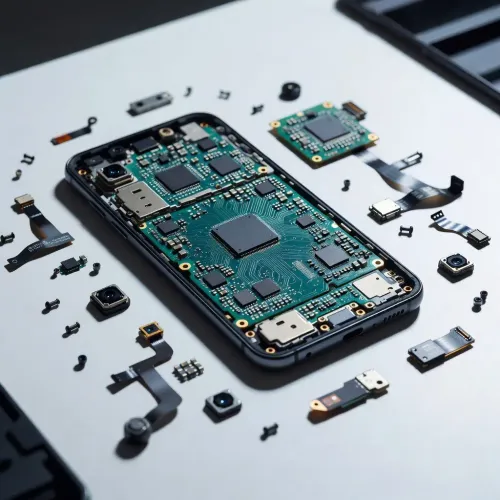
The Xring O3 is an AI-focused processor packing 24 billion transistors, representing a 26 per cent increase over its predecessor, the Xring O1, which launched last year. Lei Jun said the new chip delivers 60 per cent higher CPU performance compared to the O1, while reducing power consumption in certain tasks by 25 per cent. The decision to pair the SoC with domestic CXMT memory underscores Xiaomi's deliberate pivot toward Chinese-made components amid ongoing supply chain pressures.
Why it matters
The 18 Fold's debut marks a significant escalation in Xiaomi's semiconductor self-sufficiency strategy, placing it alongside Huawei — which uses its own Kirin chips — as one of the few Chinese smartphone makers fielding proprietary silicon at scale. Sourcing memory from CXMT, a domestic supplier, further insulates the device from potential export restrictions on foreign components. The move signals that Xiaomi is building an end-to-end hardware stack capable of competing with vertically integrated rivals like Apple.
Hardware durability and design
Beyond processing power, Lei Jun emphasised the 18 Fold's physical resilience, citing a redesigned hinge structure engineered to protect the inner display, a high-strength aluminium frame, and strengthened cover glass. Durability has historically been a pain point for foldable devices across the industry, and Xiaomi appears to be addressing this directly as it targets premium buyers. The combination of robust build quality and a domestically developed chip stack positions the 18 Fold as a credible alternative to rival foldables from Huawei and Samsung.
What's next
With the Xiaomi 18 Fold hitting shelves on Thursday and the Skynomad SUV expanding its footprint, Xiaomi's dual-track push into premium smartphones and electric vehicles is entering a critical commercial phase. Analysts will be watching sell-through rates closely to gauge whether domestic chip performance can match consumer expectations at the ¥10,999 price point. The trajectory of Xring chip development — and whether Xiaomi eventually opens the platform to third parties — could reshape competitive dynamics across China's technology sector.
Point of View
Creating a self-reinforcing R&D cycle that could close the gap with Apple's A-series and Qualcomm's Snapdragon faster than the market expects. The ¥10,999 price point is also strategically loaded — it is premium enough to signal quality but undercuts comparable Apple and Huawei foldables, pressuring margins across the segment. If CXMT's LPDDR6 performs at spec under real-world conditions, it will be a landmark data point for China's domestic memory ambitions in the ongoing chip-war narrative.
NationPress
24 Oct 2026
Frequently Asked Questions
What is the Xiaomi 18 Fold and when does it go on sale?
The Xiaomi 18 Fold is a flagship foldable smartphone featuring a 7.58-inch inner display and the company's proprietary Xring O3 chip. It goes on sale at 10am on Thursday, priced from 10,999 yuan (approximately US$1,639).
What makes the Xring O3 chip significant?
The Xring O3 is Xiaomi's in-house AI processor with 24 billion transistors — 26% more than its predecessor, the Xring O1. Lei Jun said it delivers 60% higher CPU performance and reduces power consumption in certain tasks by 25%, making it a meaningful generational leap.
Why is Xiaomi using CXMT memory in the 18 Fold?
Xiaomi paired the 18 Fold with LPDDR6 memory from ChangXin Memory Technologies (CXMT), a Chinese domestic supplier. The move reduces dependence on foreign memory makers and aligns with a broader industry trend among Chinese tech firms to localise critical components amid geopolitical supply-chain risks.
How does the Xiaomi 18 Fold compare to Huawei and Apple foldables?
The 18 Fold positions Xiaomi alongside Huawei as one of the few Chinese smartphone makers deploying proprietary silicon in a foldable device. Priced from ¥10,999, it undercuts many comparable premium foldables, putting direct pressure on Huawei's Mate X series and Apple's premium lineup.
What else did Xiaomi announce at the September 2026 event?
Beyond the 18 Fold smartphone, Xiaomi unveiled new models of its premium Skynomad SUV at the Beijing event. The dual announcement underscores Xiaomi's strategy of competing simultaneously in high-end consumer electronics and the electric vehicle market against rivals including Tesla and Huawei.