Women's T20 WC: Anjum Chopra calls for 'visionary thinking' on India all-rounder injuries
Synopsis
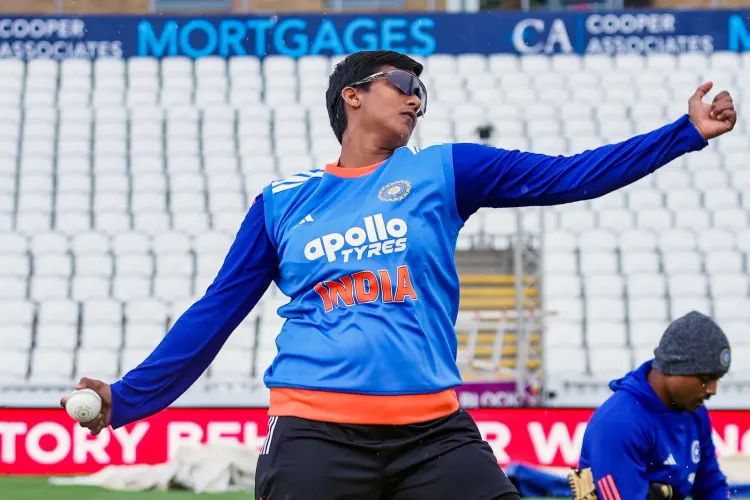
India head into the 2026 Women's T20 World Cup without both their premier seam-bowling all-rounders — Amanjot Kaur (back) and Kashvee Gautam (knee surgery) — and former captain Anjum Chopra isn't mincing words. She's calling out a systemic load-management failure, and a well-placed source has pointed the finger directly at team management, not the BCCI's Centre of Excellence.
Key Takeaways
Amanjot Kaur is ruled out of the 2026 ICC Women's T20 World Cup due to a recurring back injury.
Kashvee Gautam is sidelined with a right knee injury requiring surgery, also missing the tournament.
Former captain Anjum Chopra has called for 'visionary thinking' and structured load management to prevent recurring breakdowns.
A well-placed source says accountability for player workloads rests with the head coach and team management , not the COE.
Critics allege that practice-session overs have been decided inconsistently, with recovery windows cut short — contributing to the injury pattern.
India face Pakistan at Edgbaston on Sunday in their tournament opener, with a five-bowler combination replacing the missing all-rounders.
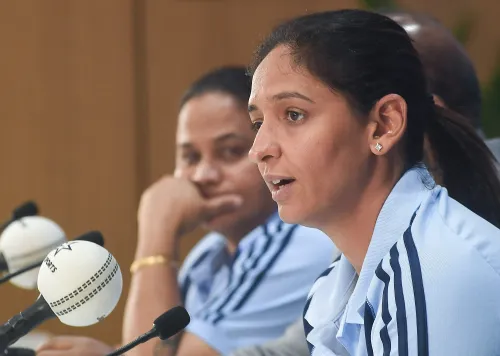
Former India captain Anjum Chopra has called for 'visionary thinking' and structured load management after injuries to key seam-bowling all-rounders Amanjot Kaur and Kashvee Gautam forced India into a five-bowler combination for the 2026 ICC Women's T20 World Cup in England. Speaking ahead of India's opening match against Pakistan at Edgbaston on Sunday, Chopra said that better communication between the BCCI Centre of Excellence (COE) and on-tour support staff was essential to preventing recurring breakdowns.
The Injury Picture
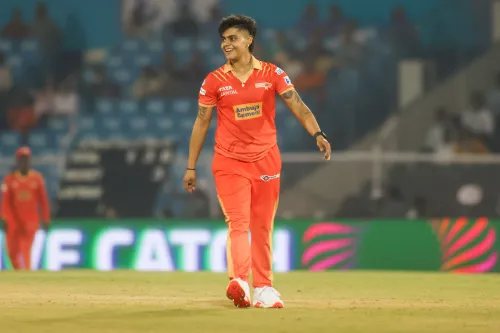
Amanjot Kaur has had a torrid run with fitness, having missed significant cricketing action in 2024 due to a stress fracture in her back and a hand ligament tear. She returned impressively in the 2025 Women's Premier League (WPL) and contributed to India's ODI World Cup triumph, but a recurring back injury ultimately ruled her out of the T20 World Cup entirely.
Kashvee Gautam, meanwhile, missed the entire WPL 2024 season with a severe foot injury. In 2025, she sustained a leg injury during the ODI tri-series in Sri Lanka, with subsequent scans revealing a severe right knee injury requiring surgery — ruling her out of the T20 World Cup squad as well. Fellow seam-bowling all-rounder Pooja Vastrakar has also spent the bulk of the last two years at the COE managing injury-related rehabilitation.
What Anjum Chopra Said
'See, injuries basically, it can happen to anyone. It doesn't come calling,' Chopra said. She acknowledged that once a player receives a ready-to-play certificate from the COE, the natural instinct is to perform at full intensity immediately. 'The body does not know that. It takes time to acclimatise, get back into that fluency, and gain that strength,' she added.
Chopra stressed the need for seamless communication between the COE and the on-ground support staff — physios and trainers — during a player's reintegration phase. 'If that fluency is there, then it just needs to be managed very well,' she said. She also underlined that all-rounders like Amanjot and Kashvee are effectively on their feet for all 40 overs of a match — batting, bowling, and fielding — making disciplined load management non-negotiable.
Systemic Concerns Around Load Management
According to those aware of the developments, pacers and all-rounders have at times been pushed to bowl significantly more overs than planned in practice sessions, with recovery windows cut short. Critics within cricketing circles argue that decisions around training loads have been made inconsistently — driven by circumstance rather than a fixed structure — and that this pattern has contributed to the recurring injuries now depleting India's seam-bowling all-rounder pool.
A well-placed source indicated that the responsibility for managing player workloads rests primarily with the team management, which has the discretion to decide whom to push and whom to rest. The source added that recurring injuries place accountability squarely on the team management, noting that blame has often been deflected toward external personnel or support staff. Ultimately, according to the source, it is the head coach and team management who must own these decisions.
Impact on India's T20 World Cup Campaign
'Today, we are talking about an all-rounder, and we don't have both the all-rounders with the Indian team, especially Amanjot Kaur, and it really has hurt India,' Chopra said. She acknowledged that while Amanjot's presence was felt in the 50-over World Cup, her absence is now a tangible gap as India navigate the T20 format's demands in England.
'A little bit more visionary thinking and proper planning can be done. I am sure it would be done at that level also. But because the result doesn't say so, that's why we are talking about the fact that I wish it were better handled,' Chopra concluded. The 2026 ICC Women's T20 World Cup runs in England through 5 July, with India's campaign under close scrutiny given the squad's altered balance.
Point of View
And Anjum Chopra is right to name it. India's seam-bowling all-rounder pipeline has been serially disrupted by injuries that, according to insiders, trace back to inconsistent load management inside the team environment rather than at the COE. The deflection of blame onto support staff is a familiar move in Indian cricket, but a source has now explicitly placed accountability with the head coach and team management. If India struggle at Edgbaston and beyond, this structural failure — not the players' bodies — will be the story that lingers beyond the tournament.
NationPress
25 Sept 2026
Frequently Asked Questions
Why are Amanjot Kaur and Kashvee Gautam missing the 2026 Women's T20 World Cup?
Amanjot Kaur is absent due to a recurring back injury, while Kashvee Gautam has been ruled out after scans revealed a severe right knee injury requiring surgery. Both are key seam-bowling all-rounders whose absence has forced India into a five-bowler combination.
What did Anjum Chopra say about India's injury management?
Anjum Chopra called for 'visionary thinking' and better-structured load management, urging improved communication between the BCCI Centre of Excellence and on-tour physios and trainers. She said players returning from injury need a gradual reintegration rather than being pushed straight back to full intensity.
Who is responsible for player load management — the COE or team management?
According to a well-placed source, responsibility rests with the team management, which has the discretion to decide whom to push and whom to rest. The source noted that blame has often been shifted to external staff, but it is ultimately the head coach and team management who must own those decisions.
How have the injuries affected India's T20 World Cup squad balance?
The absence of Amanjot Kaur and Kashvee Gautam has left India without their two primary seam-bowling all-rounders, forcing a five-bowler combination. Critics argue this unsettles the batting depth and fielding flexibility that these players provided.
When and where does India begin their 2026 Women's T20 World Cup campaign?
India open their campaign against Pakistan at Edgbaston on Sunday. The 2026 ICC Women's T20 World Cup is being played in England and runs through 5 July.