Asian Games kabaddi: Thailand wins historic bronze, coach Ravindra Shetty hails sport's growth
Synopsis
Thailand's men's kabaddi bronze at the 2026 Asian Games is more than a result — it is the payoff of a three-year, zero-base coaching project by Indian veteran Ravindra Shetty. With 65 academy players from Bangkok to Chonburi and youth leagues every four months, Thailand is no longer just participating in kabaddi; it is building a pipeline — and the podium proves it.
Key Takeaways
Thailand won the men's kabaddi bronze at the Asian Games in Tokai, Japan — the country's first men's medal in the sport since its introduction to the Games in 1990 , a gap of 36 years .
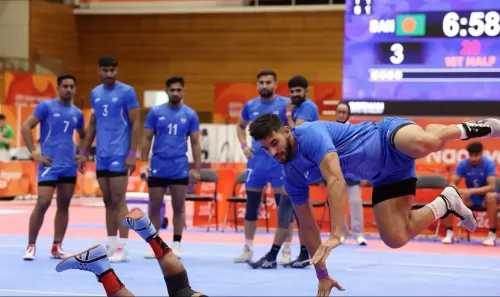
Thailand lost to defending champions India 28-66 in the semifinal at the Tokai Citizens Gymnasium , but secured the bronze by reaching the last four.
Coach Ravindra Shetty built the Thailand programme from scratch after the 2022 Hangzhou Asian Games , over three years.
Shetty's academy now has more than 65 players — 35 girls and 30 boys — from Bangkok , Chonburi , and other regions of Thailand.
Before joining Thailand, Shetty coached in Pro Kabaddi League Season 9 and served as an Indian coach at the 2023 Junior World Cup in Iran .
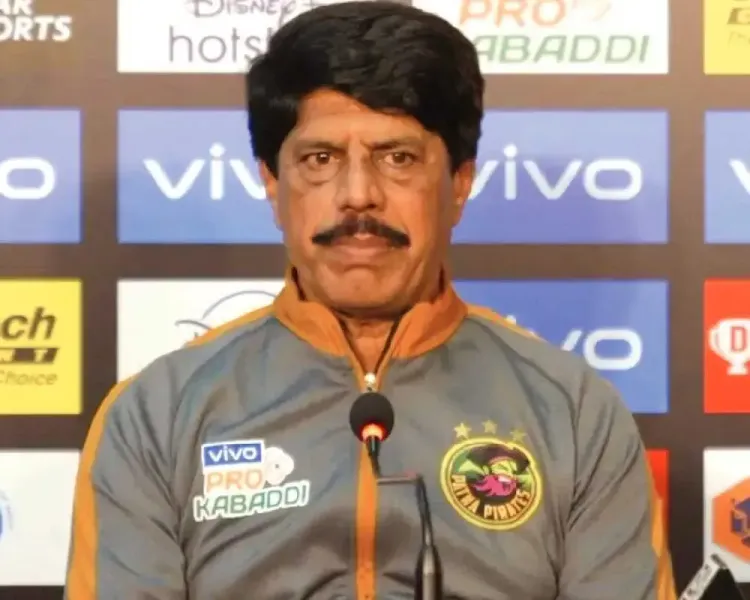
Thailand's men's kabaddi team claimed a historic bronze medal at the Asian Games in Tokai, Japan, marking the country's first men's kabaddi podium at the continental event since the sport was introduced to the Games in 1990. Head coach Ravindra Shetty, an Indian coaching veteran, said the achievement reflects kabaddi's rapidly growing footprint in Southeast Asia.
How Thailand Reached the Podium
Thailand's Asian Games campaign ended in the semifinal, where they faced defending champions India at the Tokai Citizens Gymnasium on Friday, 26 September 2026. India took a commanding 37-18 lead at half-time before extending their advantage to seal a 66-28 victory. By virtue of reaching the last four, Thailand had already guaranteed themselves the bronze — the first podium finish in men's kabaddi in 36 years of Asian Games competition. India entered the semifinal unbeaten after four wins in Group A.
Coach Ravindra Shetty on Building a Programme from Zero
'I started my experience there from zero, three years ago. I started after the Asian Games in Hangzhou. After that, I started. Now, after learning kabaddi, they are moving forward. Now, kabaddi is becoming popular in Thailand as well,' Ravindra Shetty said. The coach took charge of the Thailand programme following the 2022 Hangzhou Asian Games, and has spent three years developing players from scratch. He described the bronze as the natural product of sustained grassroots effort rather than a one-off result.
Grassroots Growth: Schools, Youth Leagues and a 65-Player Academy
Shetty pointed to school-level competitions and periodic youth events as the backbone of Thailand's kabaddi revival. 'Right now, kabaddi is starting at the school level. Our president conducts youth games once every four months. Because of that, kabaddi is developing,' he said. His personal academy currently trains more than 65 players — 35 girls and 30 boys — drawn from Bangkok, Chonburi, and other parts of the country. The gender diversity of the programme is notable; women's participation in a contact sport like kabaddi can face cultural headwinds in several Asian nations, making the enrolment figures a meaningful indicator of momentum.
Shetty's Coaching Journey: Pro Kabaddi to International Development
Before arriving in Thailand, Shetty was embedded in India's elite kabaddi ecosystem. He served as a coach in Season 9 of the Pro Kabaddi League and was subsequently appointed to the junior Indian national setup, including as a coach at the Junior World Cup in Iran in 2023. Officials approached him at an international kabaddi competition meeting and offered the Thailand assignment. 'They said they would develop me internationally, so I came,' he recalled. His trajectory — from domestic franchise cricket to international grassroots development — mirrors a broader trend of Indian coaches exporting sport expertise to emerging kabaddi nations across Asia.
What the Bronze Means for Kabaddi's Global Spread
Kabaddi has been part of the Asian Games since 1990, with India dominating the men's competition across editions. Thailand's bronze breaks that near-monopoly at the podium stage and adds credibility to the argument that the sport is genuinely internationalising. This comes amid growing interest from the World Kabaddi Federation in expanding the sport's footprint beyond South Asia. With youth structures now in place and a medal on the board, Thailand enters the next cycle as an established continental contender rather than a developmental side.
Point of View
Indian-led coaching export that mirrors how Japan developed judo coaches and South Korea built archery systems. What the medal obscures, however, is India's continued dominance: a 66-28 semifinal scoreline is not a rivalry, it is a gap. The real test of kabaddi's internationalisation will come when a non-South Asian side can push India in a knockout match, not merely earn a podium by finishing third. Shetty's grassroots work is the right foundation, but a 35-girl academy in Bangkok will need at least another cycle — and sustained federation funding — before Thailand can genuinely threaten the top two.
NationPress
27 Sept 2026
Frequently Asked Questions
How did Thailand win the kabaddi bronze at the 2026 Asian Games?
Thailand secured the bronze medal by reaching the semifinal of the men's kabaddi competition at the Tokai Asian Games. Under Asian Games rules, both losing semifinalists share the bronze, so Thailand's spot in the last four guaranteed them the medal regardless of the semifinal result against India.
Who is Ravindra Shetty, Thailand's kabaddi coach?
Ravindra Shetty is an Indian kabaddi coach who took charge of the Thailand men's programme after the 2022 Hangzhou Asian Games. He previously coached in Pro Kabaddi League Season 9 and served as an Indian coaching staff member at the 2023 Junior World Cup in Iran before accepting the Thailand assignment.
What is the significance of Thailand's medal in men's kabaddi?
It is Thailand's first men's kabaddi medal at the Asian Games since the sport was introduced to the continental event in 1990 — a wait of 36 years. The achievement signals that kabaddi is expanding credibly beyond South Asia and into Southeast Asia.
How is kabaddi growing at the grassroots level in Thailand?
Coach Ravindra Shetty's academy currently trains over 65 players — 35 girls and 30 boys — drawn from Bangkok, Chonburi, and other parts of Thailand. Youth games are held once every four months, and kabaddi has begun entering school-level competitions, indicating an organised development pipeline.
What was the score in India vs Thailand kabaddi semifinal at the 2026 Asian Games?
India defeated Thailand 66-28 in the men's kabaddi semifinal at the Tokai Citizens Gymnasium. India led 37-18 at half-time and extended their advantage in the second half. India entered the match unbeaten after four Group A victories.