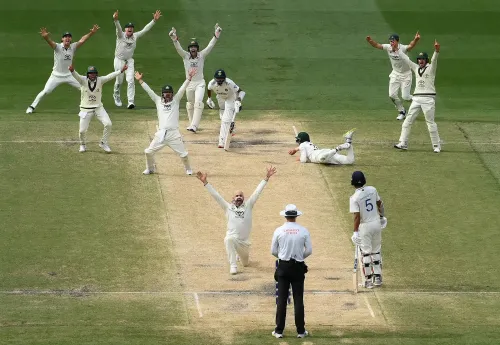
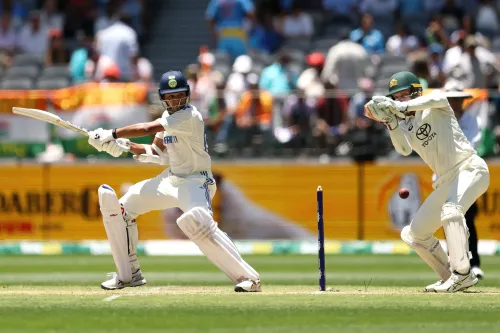
WTC era, T20 batting style driving surge in quick Test finishes: Atherton

Synopsis
Michael Atherton has put hard numbers to a trend cricket fans have sensed for years: Tests are finishing faster than at any point since World War II. With three-day-or-less finishes tripling from 7% in the 1990s to 20% today, and nine two-day Tests since 2017 after none between 1946 and 2000, the WTC's pitch-manipulation incentive and T20's high-risk batting culture are quietly rewriting the format's DNA.
Key Takeaways
Michael Atherton cited WTC home-pitch strategies , T20 batting risk , DRS , and a strong fast-bowling generation as reasons for quicker Test finishes.
Tests finishing in three days or less have risen from 6.98% in the 1990s to 20% in the current era.
There were nine two-day Tests between 2017 and the present, compared to zero between 1946 and 2000 .
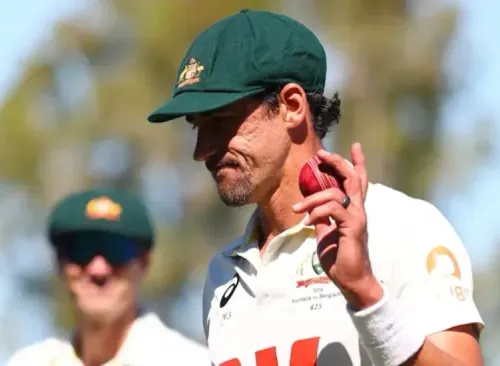
The Australia vs Bangladesh Test in Mackay was completed in just two days , the most recent example.
Atherton noted that the WTC points system incentivises home boards to prepare bowling-friendly pitches to secure wins.
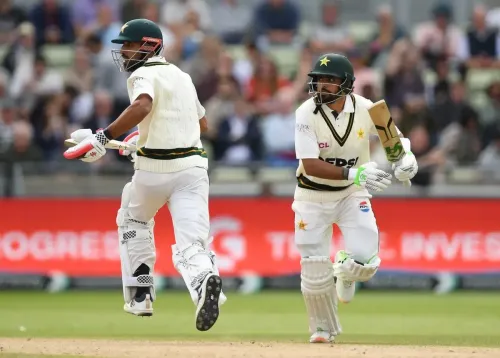
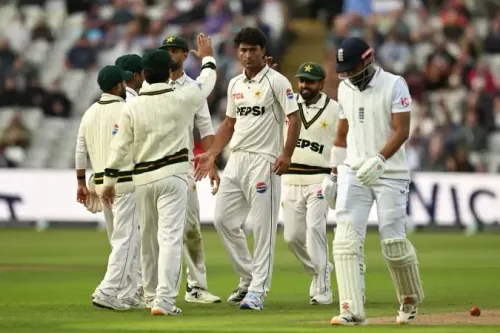
Former England captain Michael Atherton has identified the World Test Championship (WTC), T20-influenced batting, a strong generation of fast bowlers, and the Decision Review System (DRS) as the principal drivers behind a sharp rise in Test matches finishing within two or three days. Atherton shared his analysis on Sky Sports during the rain-delayed start to Day 3 of the England vs Pakistan 2nd Test, with the recent Australia vs Bangladesh match in Mackay — completed in just two days — serving as the immediate backdrop.
Key Factors Behind Shorter Tests
Atherton outlined four to five interconnected reasons for the trend. 'Batting is higher risk now because of T20 cricket. If you take more risk, you have more chance of getting out,' he said. He added that a 'good crop of fast bowlers' currently in world cricket is compounding the pressure on batters.
On the DRS, Atherton noted that umpires are now 'more likely to give LBWs,' shifting the balance further toward bowlers. He also pointed to pitch preparation as a structural factor: 'Pitches have become more advantageous since the advent of the World Test Championship; teams are generally looking to get home advantage more. So, whether it is turning pitches in India, or seam-friendly pitches in England, pitches have become more bowling-friendly since the advent of WTC.'
The Data: A Stark Generational Shift
Atherton drew on statistical graphics presented by Sky Sports to illustrate how dramatically the pattern has changed across decades. 'When Nas (Nasser Hussain) and I were playing in the 1990s, the number of games finished in three days or less was around about 7 per cent (6.98 per cent). And that is now 20 per cent, so that is a big difference,' he said.
The shift at the two-day mark is even more striking. 'In the last decade (from 2017 to current), there have been nine occasions where Test matches have finished in two days, and there wasn't a single two-day Test between 1946 and 2000,' Atherton noted. That represents a near-zero baseline across more than half a century of Test cricket, contrasted with nine instances in under a decade.
WTC's Role in Pitch Strategies
Atherton's sharpest observation concerned how the WTC — introduced in 2019 — has incentivised home boards to prepare surfaces that maximise their own bowlers' strengths. The points-based championship structure rewards wins, making a result — even a quick one — strategically preferable to a draw. This dynamic, critics argue, has nudged curators toward more extreme pitch conditions, accelerating match finishes at the cost of competitive balance.
What This Means for Test Cricket
The convergence of T20's risk-heavy batting culture, specialist fast bowling depth, DRS-assisted dismissals, and WTC-driven pitch strategies appears to be fundamentally reshaping the rhythm of Test cricket. Notably, this is not a localised phenomenon — two-day finishes have occurred across multiple countries and conditions in the current cycle. Whether cricket's administrators will intervene to moderate pitch standards or address the T20-Test crossover effect remains to be seen.
Point of View
Designed to give Test cricket a competitive spine, has inadvertently created a perverse incentive: manufacture a result at home, by whatever pitch means necessary. Pair that with batters trained on T20 aggression and a DRS that removes umpiring leniency on LBWs, and you have a structural compression of match duration. The real question administrators must answer is whether a two-day Test is still Test cricket in any meaningful sense — and if not, what they intend to do about it before the format's credibility erodes further.
NationPress
14 Oct 2026
Frequently Asked Questions
Why are Test matches finishing faster in recent years?
According to former England captain Michael Atherton, the rise in quick Test finishes is driven by T20-influenced high-risk batting, a strong generation of fast bowlers, the DRS making LBW dismissals more frequent, and WTC-era pitch strategies that favour home bowlers. Three-day-or-less finishes have risen from roughly 7% in the 1990s to 20% today.
How has the WTC affected pitch preparation in Test cricket?
Atherton argues that the World Test Championship's points-based structure incentivises home teams to prepare pitches that maximise their own bowlers' strengths — turning tracks in India, seam-friendly surfaces in England — making conditions more bowling-friendly and shortening match durations.
How many two-day Tests have there been since 2017?
According to data cited by Atherton on Sky Sports, there have been nine two-day Test matches between 2017 and the present. By contrast, there was not a single two-day Test between 1946 and 2000.
What was the most recent example of a very short Test match?
The Australia vs Bangladesh Test in Mackay was completed in just two days, serving as the immediate example that prompted Atherton's analysis during the England vs Pakistan 2nd Test.
Has T20 cricket changed how batters approach Test matches?
Atherton believes so. He said that T20 cricket has made batting 'higher risk,' and that taking more risks increases the chance of getting out, contributing to lower team totals and faster match conclusions in Test cricket.