Ravi Bishnoi's 17th-over no-balls cost India the 2nd T20I, says Parthiv Patel
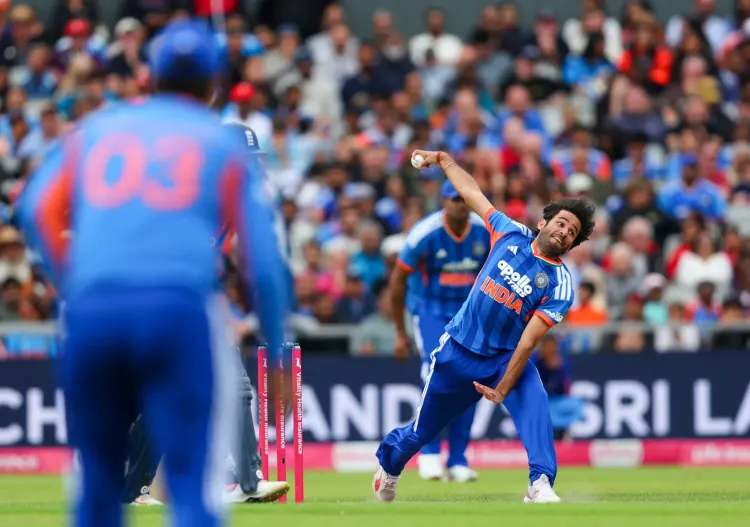
Synopsis
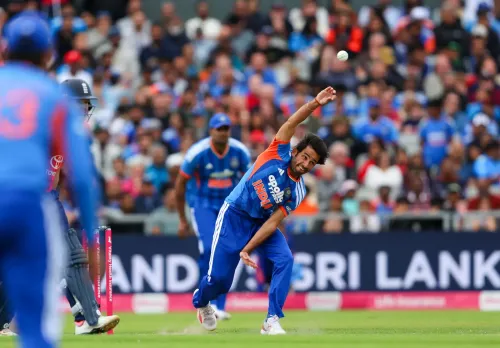
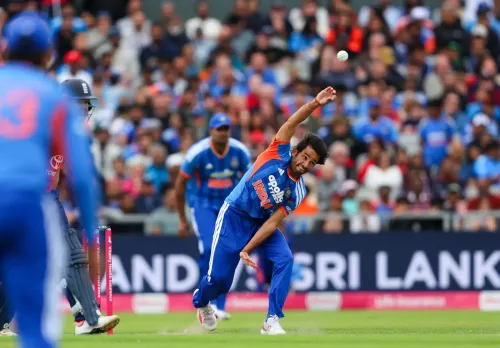
Two no-balls in a single over — that is Parthiv Patel's verdict on why India lost the second T20I in Manchester. By gifting Jacob Bethell consequence-free free hits when he was stuck on 37 off 33, Bishnoi's 17th over did not just cost runs; it handed England the psychological shift that settled the match.
Key Takeaways
Parthiv Patel identified Ravi Bishnoi's 17th over — specifically two no-balls — as the decisive turning point in India's loss to England in the 2nd T20I at Manchester .
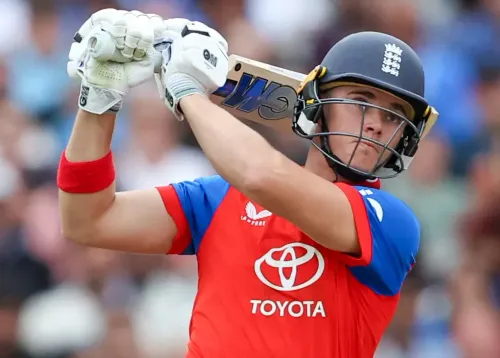
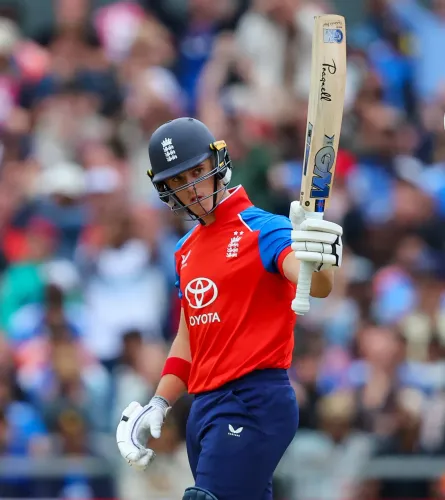
Jacob Bethell had been struggling at 37 off 33 balls before the over; the free hits gave him the freedom to attack without fear of dismissal.
Patel defended Shreyas Iyer's bowling management, including the decision to hold back Shivam Dube , attributing the defeat to team combination rather than on-field tactics.
He rated 190 as a par score on the pitch but suggested an extra seamer could better suit English conditions in the remaining matches.
15-year-old Vaibhav Sooryavanshi's record-breaking international debut was also highlighted by Patel as a positive from the series.
Former India wicketkeeper-batter Parthiv Patel has pinpointed Ravi Bishnoi's expensive 17th over as the decisive turning point in India's defeat to England in the second T20I in Manchester, arguing that two no-balls in that over handed Jacob Bethell the freedom he needed to transform the match — while also backing stand-in captain Shreyas Iyer's bowling management and hailing 15-year-old Vaibhav Sooryavanshi's record-breaking international debut.
The Over That Turned the Match
Patel's analysis centred on how Bishnoi's no-balls fundamentally altered Bethell's mindset at a critical juncture. Before the over, the left-hander had been becalmed, scoring 37 off 33 balls and visibly struggling to shift gears. The free hits that followed, Patel argued, removed the psychological handcuffs that had kept Bethell in check.
'Batters take one delivery to get out, and bowlers have five more deliveries to come back after a six. So, you look at that 17th over from Ravi Bishnoi and the transformation in Jacob Bethell's innings — the switch in his batting intent happened because of the freedom he got from the no-ball, to go after the ball without worrying about losing your wicket,' Patel said in an interview with JioStar.
He elaborated: 'Before that over, Bethell was struggling at 37 off 33 balls. He was finding it hard to accelerate. But those two no-balls changed everything. They released the pressure and gave him the license to attack.'
No-Balls vs Boundaries: Why the Distinction Matters
Patel was careful to separate the ordinary concession of runs from the structural damage done by a no-ball. In T20 cricket, a bowler absorbing a six still retains the threat of a wicket on the next delivery. A no-ball strips that threat entirely, gifting the batter a consequence-free swing.
'Getting hit for runs is part of the game. But when a no-ball gives the batter a free hit, it becomes easier to play without accountability because you don't get out; you only get the runs. That over turned the match in England's favour,' Patel said. He added that this is an area Bishnoi will need to address going forward.
Iyer's Bowling Calls and the Shivam Dube Question
Questions circulated after the match about India's decision to hold back all-rounder Shivam Dube with the ball. Patel defended the tactical logic, framing it as a match-situation call rather than an error of judgement.
'The situation of the game matters. You try to use your sixth bowler, Shivam Dube, to get through a couple of overs. But when the game demands wickets, that is when you go back to your main bowlers,' he said. He credited Iyer with rotating the attack sensibly, placing the blame for the defeat on team combination rather than in-game execution: 'I thought Shreyas Iyer rotated his bowlers well. Yes, the execution wasn't perfect, but the bowling choices were fine, according to me, for this game. However, the combination is something India will need to think about.'
The Case for an Extra Seamer in England
Looking ahead to the remaining matches of the series, Patel suggested India reconsider their bowling composition to suit English conditions. He assessed 190 as a par score on the pitch but noted that the combination of bigger boundaries, movement, and the effectiveness of slower deliveries and bouncers in England tilts the balance toward pace.
'Maybe an extra seamer could help India in the next game,' he said — a hint that India's current balance may need recalibrating before the series is decided.
Point of View
And the pattern deserves more scrutiny than a single post-match observation. The broader question he raises about team combination — whether India are playing one bowler short in English conditions — is arguably more consequential for the series outcome than any individual tactical call Iyer made on the night. If India persist with the same XI, the combination debate will resurface regardless of execution.
NationPress
5 Oct 2026
Frequently Asked Questions
Why does Parthiv Patel blame Ravi Bishnoi's no-balls for India's defeat in the 2nd T20I?
Patel argues that the two no-balls Bishnoi bowled in the 17th over gave Jacob Bethell free hits, removing the threat of dismissal at a moment when Bethell was struggling at 37 off 33 balls. That freedom, Patel said, triggered a shift in Bethell's batting intent that swung the match in England's favour.
How did Jacob Bethell's innings change after the 17th over?
Before the over, Bethell was becalmed at 37 off 33 balls and finding it difficult to accelerate. The free hits from Bishnoi's no-balls, according to Patel, gave him the license to attack without the risk of losing his wicket, transforming his innings and England's chase.
Did Parthiv Patel criticise Shreyas Iyer's captaincy in the 2nd T20I?
No. Patel defended Iyer's bowling rotation and the decision to hold back Shivam Dube, saying the choices were appropriate for the match situation. He placed the responsibility for the defeat on team combination rather than on-field decision-making.
What change did Parthiv Patel suggest for India's remaining T20Is in England?
Patel suggested India consider adding an extra seamer to their XI for the remaining matches, arguing that English conditions — bigger boundaries, movement, and the effectiveness of slower deliveries and bouncers — favour a pace-heavy attack over the current balance.
Who is Vaibhav Sooryavanshi and why was he mentioned?
Vaibhav Sooryavanshi is a 15-year-old Indian cricketer who made a record-breaking international debut in the T20I series against England. Patel highlighted the debut as a significant positive from the series despite India's defeat in the second match.