India's CMO Dr. Pardiwala outlines flu-prevention shield at 2026 Commonwealth Games
Synopsis
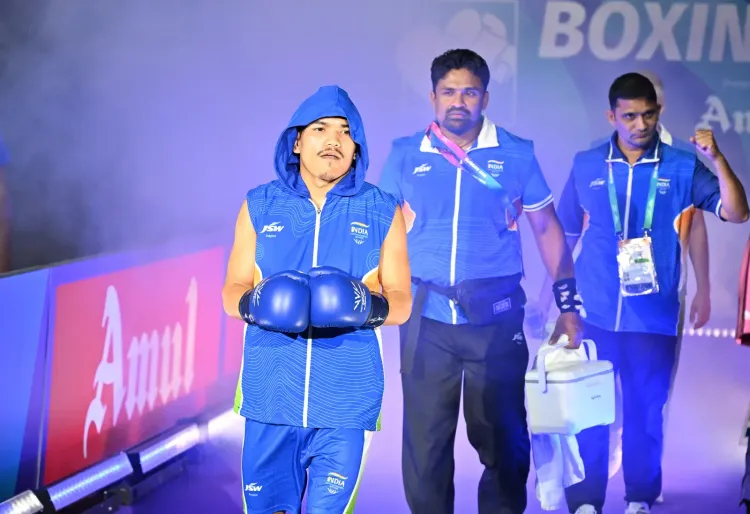
India's medical chief at the 2026 Commonwealth Games has kept every athlete in the contingent flu-free so far — not by luck, but by pulling athletes out of the opening ceremony, shipping recovery hardware from India, and running daily cross-contingent health checks. It is a blueprint for how elite sports medicine operates at a major multi-sport event.
Key Takeaways
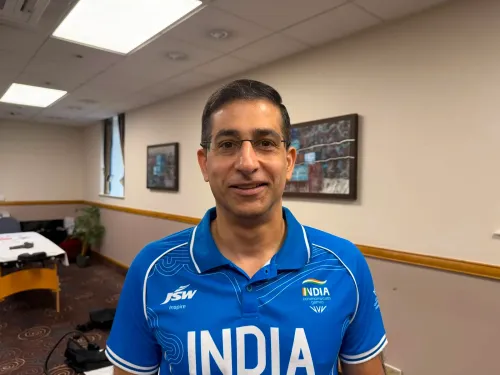
Dinshaw Pardiwala , India's Chief Medical Officer, issued a health advisory to the Indian contingent on 25 July 2026 in Glasgow .
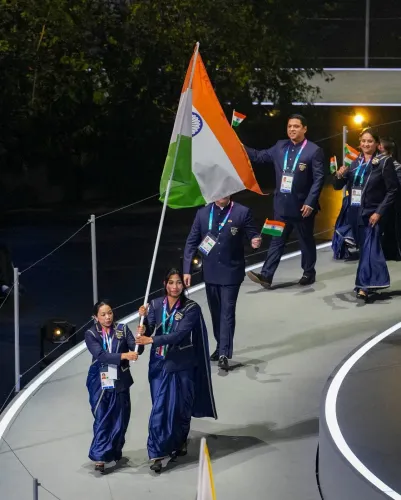
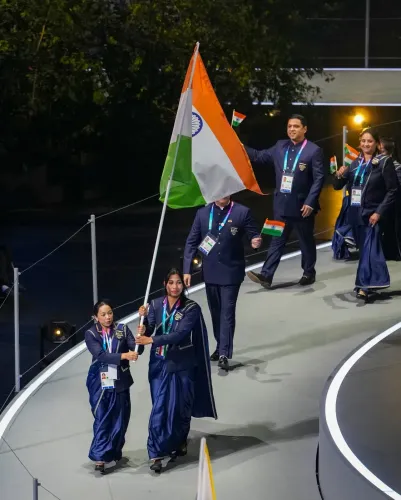
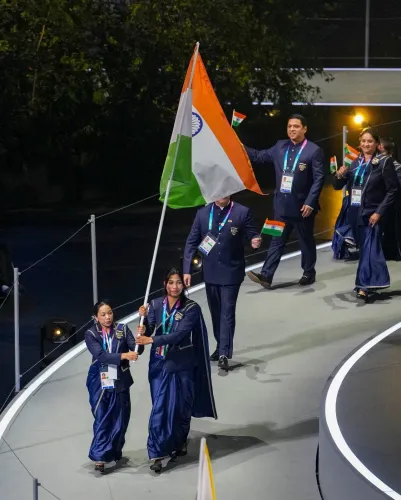
Athletes competing immediately after the opening ceremony were kept away from the event to avoid cold and flu exposure.
Daily briefings among Chief Medical Officers confirm no flu or cold outbreak across any contingent as of 25 July .
The Indian Olympic Association (IOA) has set up a fully equipped recovery facility at the Games village, with equipment flown in from India.
Fitness clearance remains the responsibility of individual sports federations and coaches, not the IOA medical team.
Institutional backing from the Sports Ministry , SAI , TOPS , and IOA is described as 'fabulous' by Dr.
India's Chief Medical Officer Dr. Dinshaw Pardiwala has issued a comprehensive health advisory to the Indian contingent at the 2026 Commonwealth Games in Glasgow, placing upper respiratory infection prevention at the top of his agenda as cold, wet Scottish weather poses a persistent threat to athlete performance. The advisory, issued on 25 July 2026, outlines a multi-layered protocol covering hygiene, outdoor exposure limits, and on-site recovery infrastructure.
Cold Weather Protocols
Navigating the sharp contrast between India's warmer climate and Glasgow's chilly, rain-heavy conditions is among the foremost challenges for the contingent. The medical team moved swiftly to limit unnecessary outdoor exposure, particularly around ceremonial commitments.
'The weather is cold and it is raining. So the advice is primarily to just protect yourselves, don't get wet and we are making sure that each of the athletes who doesn't need to be out, doesn't need to be out,' Dr. Pardiwala said. In a notable operational decision, athletes scheduled to compete immediately after the opening ceremony were kept away from the event altogether. 'We don't want to land up with colds and flus etc. just before participation,' he added.
Hygiene as the First Line of Defence
Beyond managing outdoor exposure, Dr. Pardiwala stressed that basic hand hygiene remains the single most effective tool against viral spread in shared athlete facilities. 'Just simple health and hygiene, making sure that everyone is keeping their hands clean and hand hygiene is being followed — that is the best way to prevent any outbreak amongst the teams,' he said.
Encouragingly, daily cross-contingent briefings among Chief Medical Officers have so far returned clean results. 'We get a morning update everyday amongst the Chief Medical Officers of the contingents and fortunately we don't have any outbreak of any flu or any colds and coughs amongst any of the contingents right now,' Dr. Pardiwala noted. He added that upper respiratory tract infections are typically the biggest performance disruptor at large multi-sport events, but that the situation is currently 'under control.'
World-Class Recovery Facility at the Games Village
The Indian Olympic Association (IOA) has established a fully equipped sports science and recovery centre directly within the Games village — a setup Dr. Pardiwala described as essential for any large contingent. The facility offers compression therapy, cryo-compression, physiotherapy services, and a stocked medical supply unit, all sourced from India to ensure autonomy and avoid delays in accessing local healthcare systems.
'We have got a whole load of equipment from India for that purpose... compression, cryo-compression, all of the physiotherapy means and besides that just to make sure that we are autonomous and we have easy access to medicines,' he said. The goal, he explained, is to ensure that any medical issue — however minor — can be resolved on-site without disrupting an athlete's preparation schedule.
Fitness Assessment and Injury Management
Dr. Pardiwala clarified that pre-competition fitness clearance is the responsibility of individual sports federations, coaches, and physiotherapists — not the IOA medical team. 'Any athlete coming in really needs to be fit if they are going to be representing their country. So this is done by the federations to make sure that the fittest athletes do come in for competition,' he said.
On injuries, he struck a pragmatic tone: minor issues that can be managed in-house will not sideline athletes, but significant injuries that cannot be resolved will render a competitor unfit for their event. The medical team's role is to ensure the former category is handled swiftly and effectively.
Institutional Support and Athlete Confidence
The Indian contingent's medical setup is backed by the Sports Ministry, the Sports Authority of India (SAI), the Target Olympic Podium Scheme (TOPS), and the IOA. Dr. Pardiwala said the level of support has been 'fabulous' and is designed to give athletes the confidence to perform without the anxiety of wondering what happens if they get hurt.
'What we have heard from many of our athletes over the years is that the fear that if they get injured what is going to happen to them... just to have that insurance, that safety blanket there knowing that "Look, I have got a team that is looking out for me" — I think that itself is self-reassurance and gives them the confidence that they can do their best,' he said. With no flu outbreak reported across any contingent as of 25 July, India's medical team will look to maintain that record through the duration of the Games.
Point of View
But it is the kind of unglamorous, high-stakes call that separates professional sports medicine from tokenism. India has historically sent large contingents to multi-sport events without matching medical infrastructure — the IOA's choice to ship recovery hardware from home and embed a fully autonomous facility in the Games village signals a genuine shift in how athlete welfare is being prioritised. The real measure will come if a significant injury strikes: the protocols Dr. Pardiwala describes are only as strong as the speed and quality of their execution under pressure.
NationPress
24 Oct 2026
Frequently Asked Questions
What health measures has India put in place at the 2026 Commonwealth Games in Glasgow?
India's Chief Medical Officer Dr. Dinshaw Pardiwala has implemented a protocol covering strict hand hygiene, limits on outdoor exposure in cold weather, and an on-site recovery facility at the Games village equipped with compression, cryo-compression, and physiotherapy services. Athletes competing immediately after the opening ceremony were also kept away from the event to minimise flu risk.
Has there been any flu outbreak among athletes at the 2026 Commonwealth Games?
As of 25 July 2026, there is no reported outbreak of flu, colds, or coughs among any contingent at the Games, according to Dr. Pardiwala. Daily cross-contingent health briefings among Chief Medical Officers have so far confirmed a clean bill of health.
What recovery facilities has the IOA set up in Glasgow?
The Indian Olympic Association has established a dedicated sports science and recovery room within the Glasgow Games village. The facility includes compression therapy, cryo-compression, and physiotherapy equipment, all sourced and shipped from India to ensure the team operates autonomously without relying on local healthcare systems.
Who is responsible for athlete fitness clearance at the Commonwealth Games?
Fitness assessment before competition is the responsibility of individual sports federations, coaches, and physiotherapists — not the IOA medical team. Dr. Pardiwala clarified that only athletes cleared as fit by their respective federations are permitted to compete.
Why were some Indian athletes kept out of the Commonwealth Games opening ceremony?
Athletes scheduled to compete in events immediately following the opening ceremony were kept away from the ceremony to protect them from Glasgow's cold and wet conditions. Dr. Pardiwala said the decision was taken specifically to prevent pre-competition illness such as colds and flu.