Pierre Gasly loses Monaco GP podium again after FIA ICA ruling
Synopsis
Pierre Gasly has now lost the Monaco Grand Prix podium twice — once on race day and once on appeal. The FIA ICA's verdict reinstating his pit-lane penalties is as much a story about F1's fractured judicial process as it is about a single race result, and the FIA's own post-ruling statement signals the timing system and review procedures are heading for a rethink.
Key Takeaways
Pierre Gasly drops to seventh in the final 2026 Monaco GP classification after the FIA ICA reinstated his twin five-second pit-lane penalties.
Isack Hadjar (Red Bull) reclaims third place ; Oscar Piastri (McLaren) moves to fourth ; Liam Lawson and Arvid Lindblad (Racing Bulls) rise to fifth and sixth .
Alpine had successfully overturned the penalties via a Right to Review on 12 June , only for Red Bull and McLaren to escalate to the ICA in Paris .
The FIA confirmed it is reviewing its F1 timing system methodology and related judicial procedures, including the Right of Review and appeal processes.
Alpine maintains car #10 'did not exceed the pit lane speed limit at any point during the race.'
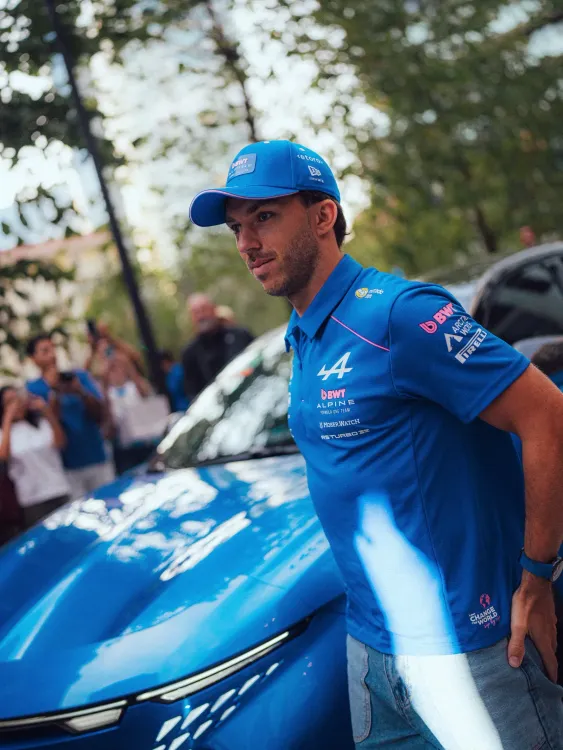
Alpine driver Pierre Gasly has been stripped of his 2026 Monaco Grand Prix podium for the second time after the FIA International Court of Appeal (ICA) upheld appeals filed by Red Bull and McLaren, reinstating twin five-second penalties that drop the Frenchman from third to seventh place. The verdict, announced on 4 September, brings a dramatic close to one of the season's most contested post-race disputes.
How the standings changed
Red Bull driver Isack Hadjar is reinstated to third place, reclaiming the podium he had briefly lost. McLaren's Oscar Piastri moves up to fourth, while Racing Bulls drivers Liam Lawson and Arvid Lindblad advance one position each to fifth and sixth, respectively. The race result itself remains unchanged — Mercedes' Kimi Antonelli won the 7 June Monaco Grand Prix, with Ferrari's Lewis Hamilton finishing second.
The penalty saga explained
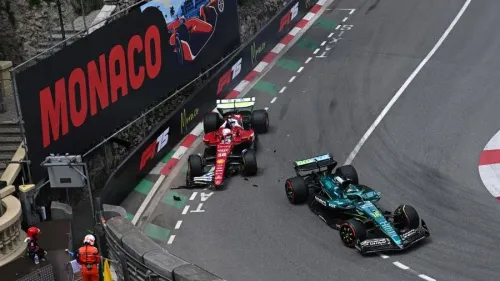
Gasly originally crossed the line third at Monaco but was handed two unserved five-second penalties for pit-lane speeding, dropping him to seventh. Alpine exercised a Right to Review, and on 12 June, the stewards cancelled the penalties and restored Gasly's third-place finish. Red Bull and McLaren, whose drivers stood to benefit from the original penalty order, then escalated the matter to the FIA International Court of Appeal in Paris. The ICA sided with the appellants, reinstating both penalties and, with them, Gasly's seventh-place classification.
What the FIA said
The governing body acknowledged the decision exposed procedural gaps, stating it is 'reviewing the methodology and operation of the current Formula 1 timing system and the related regulatory matters.' The FIA also confirmed it would examine 'other judicial procedures and operations including the right of review and the appeal processes.' It stressed that stewards operate 'in a different environment to that of the Court,' which has access to 'extensive and additional legal counsel input, arguments and evidence,' and emphasised that ICA decisions feed into a 'process of continuous improvement' for stewards globally.
Alpine's reaction
Alpine expressed open frustration, saying the team feels it has been 'unjustly punished.' In an official statement, the team maintained that 'car #10 did not exceed the pit lane speed limit at any point during the race,' while acknowledging the ICA panel's authority. Despite the setback, Alpine said it 'remains in a close and very competitive championship fight' and is focused on on-track performance going forward.
Wider implications for F1 governance
The case is notable for what it reveals about the layered and at times contradictory nature of Formula 1's judicial process — where a stewards' Right to Review can be overturned on appeal by a higher court applying a different evidentiary standard. This is not the first time the ICA has reversed a stewards' ruling in a high-profile case, and the FIA's own post-verdict statement signals that a structural review of timing systems and review procedures is now on the table. The outcome will be watched closely by teams navigating similar grey areas in pit-lane enforcement.
Point of View
Every marginal pit-lane call carries appellate risk, and the championship fight becomes partly a function of who can afford the better lawyers in Paris.
NationPress
20 Oct 2026
Frequently Asked Questions
Why did Pierre Gasly lose the Monaco GP podium again?
The FIA International Court of Appeal reinstated Gasly's two unserved five-second penalties for pit-lane speeding at the 2026 Monaco Grand Prix, dropping him from third to seventh. Red Bull and McLaren had appealed the stewards' earlier decision that had restored his podium.
Who benefits from the FIA ICA ruling on the Monaco GP?
Isack Hadjar of Red Bull is reinstated to third place, Oscar Piastri of McLaren moves to fourth, and Racing Bulls drivers Liam Lawson and Arvid Lindblad rise to fifth and sixth, respectively.
What is the Right to Review in Formula 1?
The Right to Review allows a team to petition the stewards to reconsider a penalty if significant new evidence emerges. Alpine used this process on 12 June to have Gasly's penalties cancelled, but Red Bull and McLaren successfully challenged that decision at the FIA International Court of Appeal.
What did the FIA say after the ICA verdict?
The FIA said it is reviewing 'the methodology and operation of the current Formula 1 timing system and the related regulatory matters,' and will also examine its judicial procedures including the Right of Review and appeal processes.
What is Alpine's position on the ruling?
Alpine said it disagrees with the decision and 'fully maintains' that car #10 did not exceed the pit lane speed limit at any point during the Monaco race. The team acknowledged the ICA panel's authority but said it feels 'unjustly punished.'