Shubman Gill: 'Our bowling can take 20 wickets anywhere' after India's big AFG win
Synopsis
Shubman Gill's post-match verdict after India's massive Test win over Afghanistan was built around one idea: a bowling group he trusts to take 20 wickets anywhere in the world. With a debutant spinner claiming six wickets, Siraj and Prasidh Krishna dismantling the follow-on, and a 564-run first-innings total, this was the clearest blueprint yet of how Gill's India intends to play Test cricket.
Key Takeaways
India posted 564 for 8 declared and dismissed Afghanistan twice to win the one-off Test in New Chandigarh on 8 June .
Captain Shubman Gill said the team 'ticked all the boxes' and expressed full confidence in his bowling group to 'take 20 wickets anywhere.' Debutant spinner Manav Suthar claimed six wickets in the first innings; Washington Sundar took four in the second; Kuldeep Yadav added three .
Mohammed Siraj and Prasidh Krishna (3 wickets) were decisive after the follow-on was enforced following Afghanistan's first-innings total of 152 .
Gill set a batting benchmark of 350–400 runs in the first innings as the standard he wants India to consistently achieve across conditions.
India captain Shubman Gill declared his side's one-off Test victory over Afghanistan in New Chandigarh on 8 June a near-complete performance, saying the team had 'ticked all the boxes' in a dominant display that underlined both the depth of India's attack and the promise of a squad in transition.
A Statement Win on All Fronts
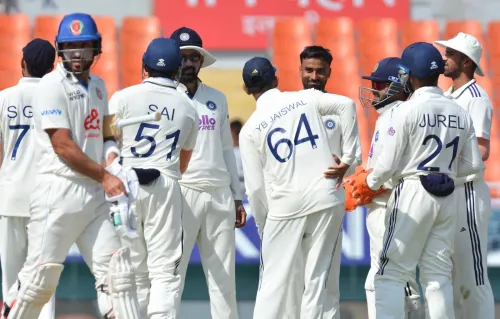
India posted 564 for 8 declared before dismissing Afghanistan twice to seal a thumping result. Gill, leading a side without several senior regulars, was emphatic in his post-match assessment. 'I think a complete win from us, ticked all the boxes. So very happy with that,' he said at the presentation ceremony.
The performance carried particular significance given the generational shift underway in Indian cricket. With a younger core shouldering greater responsibility, the match served as a statement of intent — and a template Gill wants to replicate across formats and conditions.
The Batting Blueprint: 350 Every Time
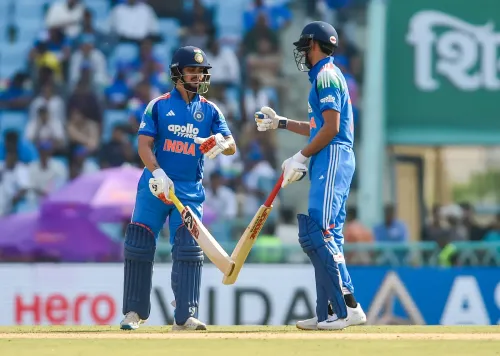
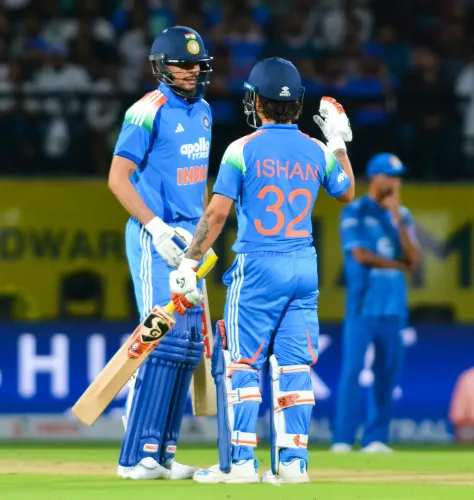
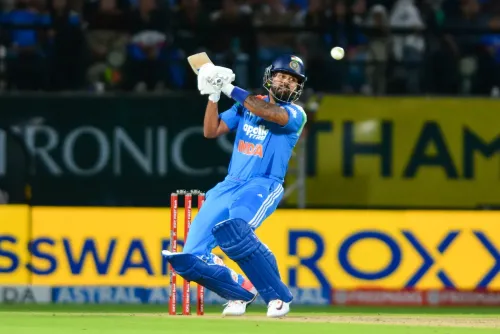
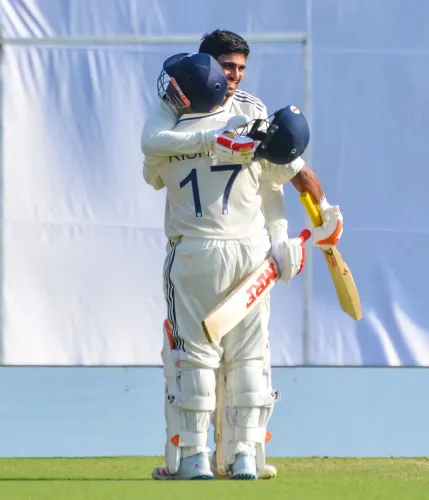
Gill laid out a clear strategic vision for the batting unit. 'I'd say pretty simple. When you're batting first innings, try to post 350 on the board every time you get into bat, no matter where we are playing, what kind of conditions it is,' he said. He acknowledged that transitions tend to place the batting group under heightened scrutiny, but stressed that building clarity around method and consistency is the priority. 'How we can keep posting regularly 350–400 totals on the board going forward,' he added.
The Follow-On Call and Fast Bowler Impact
One of the match's pivotal moments came after India bowled Afghanistan out for 152 in their first innings, leaving the captain to weigh whether to enforce the follow-on in intense heat. Gill revealed the decision hinged on his bowlers' freshness. 'It was very hot. We decided that if we get them before lunch or just after the first drinks, we'll see if the bowlers are fresh — we'll give them a follow-on. If not, we'll bat a couple of sessions,' he explained.
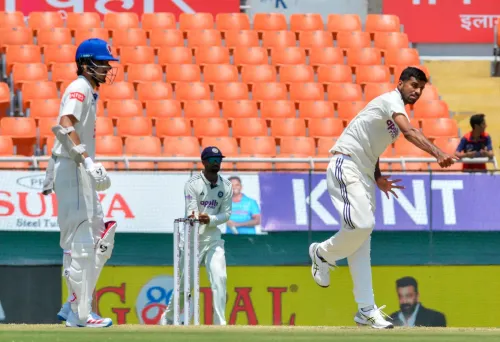
The fast bowlers answered quickly. Mohammed Siraj struck early after the follow-on was enforced, and Prasidh Krishna claimed three crucial wickets to prevent any Afghanistan recovery. 'Siraj got us that crucial wicket when we gave them a follow-on and Prasidh got three important wickets,' Gill noted.
Spin Trio Impresses on Debut and Beyond
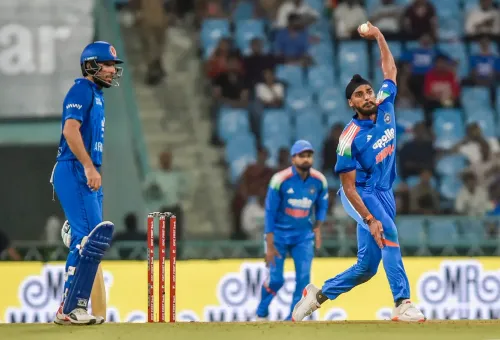
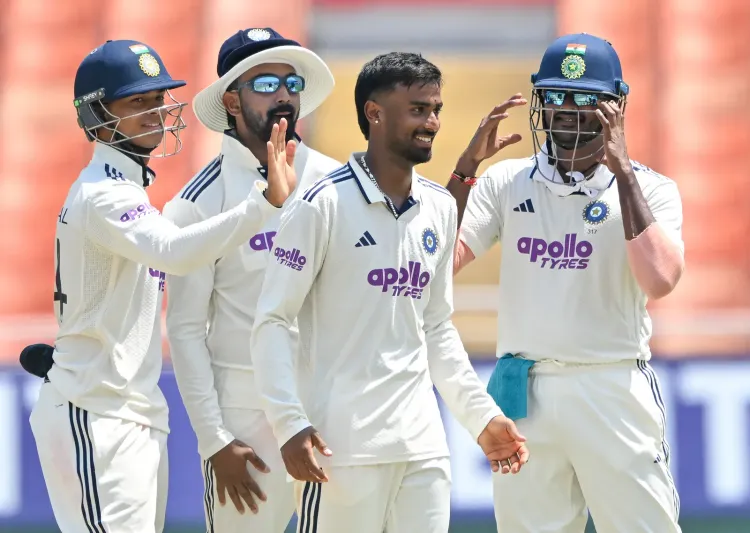
India's spinners were equally influential. Debutant Manav Suthar claimed six wickets in the first innings, Washington Sundar finished with four wickets in the second, and Kuldeep Yadav chipped in with three as Afghanistan's batters struggled against the variety on offer. Gill was effusive about the trio's potential. 'The kind of quality Manav, Washi and Kuldeep has — all three of them — there was never any doubt,' he said.
He identified experience as the next frontier for the spinners, emphasising the importance of managing long spells and reading conditions. 'It's all about getting the experience and getting a number of overs and seeing, on wickets like these, how to set the batsman up, keep varying the pace, keep testing the batsman in different areas,' Gill said.
What This Result Signals for Indian Cricket
This victory arrives at a moment when Indian cricket is navigating a deliberate rebuild. The absence of senior figures has accelerated the integration of younger talent, and results like this one — built on a massive total, disciplined bowling, and a debutant spinner's six-wicket haul — suggest the transition is progressing on schedule. Notably, Gill's confidence in his bowling resources was unequivocal: 'I think there's enough trust in our bowling group that we can take 20 wickets anywhere.' Whether that belief holds in more demanding away conditions will be the real test of this generation.
Point of View
And Afghanistan, even on a good day, is not the stress test that England away or Australia at home will be. The transition narrative is compelling, but the proof will come in conditions where India cannot simply outclass the opposition on talent alone.
NationPress
22 Sept 2026
Frequently Asked Questions
What was the result of the India vs Afghanistan one-off Test?
India won the one-off Test convincingly, posting 564 for 8 declared and dismissing Afghanistan twice. Afghanistan were bowled out for 152 in their first innings and were then asked to follow on, with India's bowlers wrapping up the match.
What did Shubman Gill say about India's bowling attack?
Gill expressed strong confidence in his bowling group, saying 'there's enough trust in our bowling group that we can take 20 wickets anywhere.' He credited Mohammed Siraj and Prasidh Krishna for their impact after the follow-on, alongside the spin trio of Manav Suthar, Washington Sundar, and Kuldeep Yadav.
How did debutant Manav Suthar perform in the Test?
Manav Suthar had an impressive Test debut, claiming six wickets in Afghanistan's first innings. Gill praised the quality of all three spinners, saying 'there was never any doubt' about their ability.
Why did India enforce the follow-on against Afghanistan?
India enforced the follow-on after bowling Afghanistan out for 152, giving them a massive first-innings lead. Gill said the decision depended on the bowlers' freshness in intense heat, and once they indicated they were ready, the follow-on was enforced.
What batting target has Gill set for India going forward?
Gill said his goal is for India to consistently post 350 to 400 runs in the first innings regardless of conditions or venue. He described this as the foundation of the team's approach to controlling Test matches.