Harmanpreet Kaur: 'Captaincy taught me to stand on the frontline' after 12-year India tenure
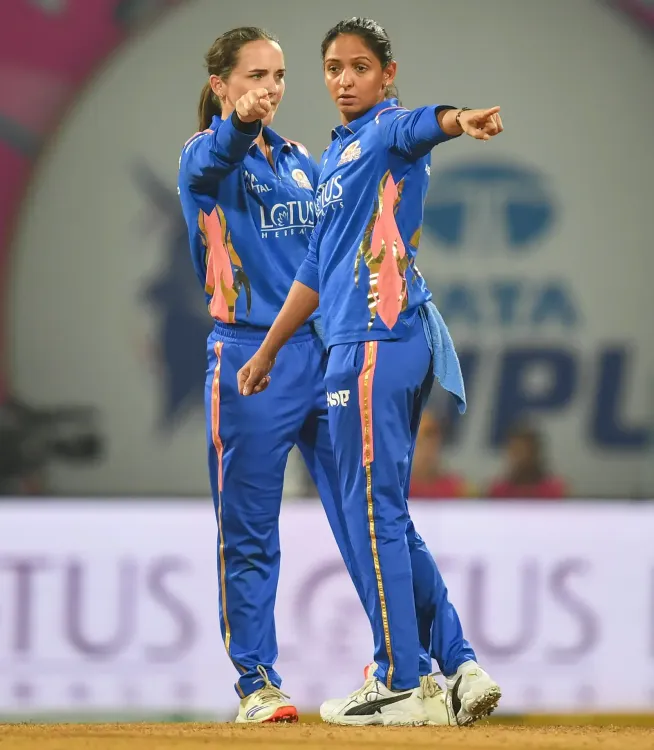
Synopsis
Harmanpreet Kaur spent 12 years at the front of Indian women's cricket — through a World Cup win, controversy and generational change. In her first extended reflection since stepping down, she says captaincy was never about the title, and she is now focused on one thing: enjoying her batting again.
Key Takeaways
Harmanpreet Kaur served as India women's captain from 2012 until stepping down after the Asian Games , a tenure spanning over 12 years .
She credited captaincy with teaching her to 'stand on the frontline' for both criticism and victories, not just personal success.
Harmanpreet said personal goals 'had to take a back seat' at times, but stressed she never compromised on her batting.
She actively championed spreading leadership qualities across the entire squad, not concentrating them in one role.
Smriti Mandhana has taken over as captain; Harmanpreet said she welcomes the transition given their decade-long partnership.
The ODI World Cup triumph remains her most cherished achievement; she said she carries 'no regrets' from her captaincy.
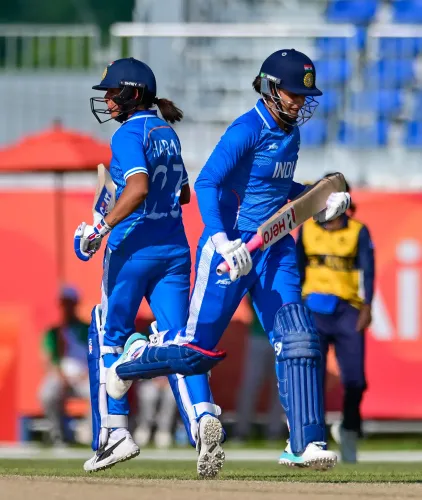
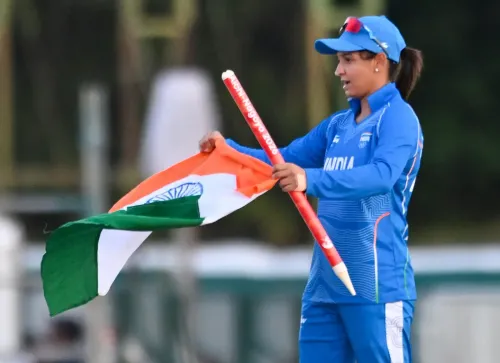
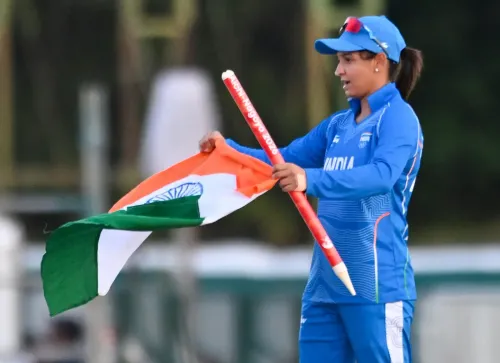
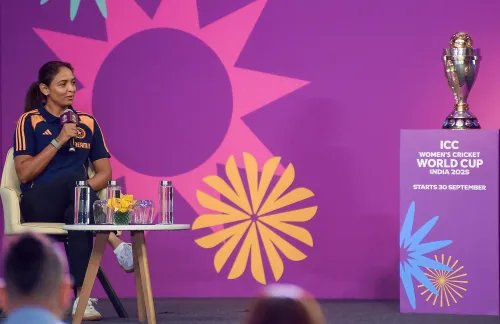
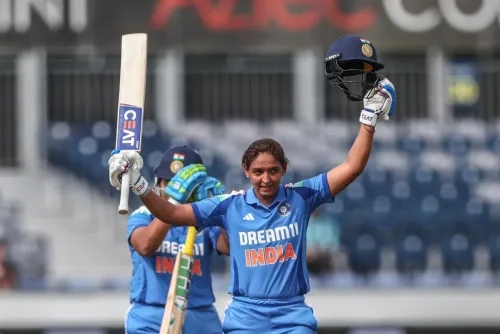
Former India women's cricket captain Harmanpreet Kaur has opened up about the defining lessons of her 12-year captaincy stint, saying leadership taught her to confront both criticism and victory with equal accountability — and that stepping down as skipper marks not an end, but a shift in how she serves the team.
Lessons From a Decade of Leadership
Harmanpreet, who first assumed the captaincy in 2012 and recently stepped down after leading India at the Asian Games, said the burden of leadership forced her to grow beyond individual ambition. 'The criticism came with the expectations people had of us. Sometimes it does hurt when you don't meet your own expectations as a team, and of course, when the people watching and supporting you are also expecting you to do well,' she said.
'Captaincy taught me to stand on the frontline and take responsibility, not just for the criticism, but also for the victories. It taught me that leadership is about standing with your team through every phase, learning from every experience and continuing to move forward,' she added.
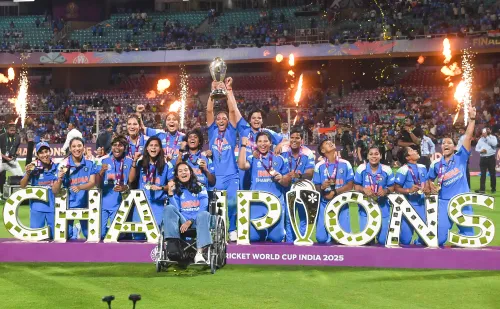
Her tenure spanned some of the most consequential chapters in Indian women's cricket, including the team's ODI World Cup triumph. Yet Harmanpreet was emphatic that captaincy was never about personal elevation. 'It was never about an individual position. I simply wanted to use my instincts, experience and ideas to help the sport grow, encourage talent and fill the spaces that needed to be filled,' she said.
Balancing Personal Goals With Team Demands
Harmanpreet acknowledged that captaincy sometimes required setting aside personal targets. 'As a player, you have a certain freedom to make choices, but as a captain, there are times when you have to put aside your personal dilemmas and move forward because you have a team following you,' she said.
She was careful to distinguish between compromise and priority: 'I wouldn't say I had to compromise on my personal performances, but yes, sometimes my personal goals and targets had to take a back seat. I have always put my batting first, even during my captaincy, but now I want to approach my game with even more clarity — understanding my role, executing it well and, most importantly, enjoying every bit of cricket.'
Planting the Seed of Leadership in Every Player
One of her core beliefs, Harmanpreet said, was that leadership should not reside solely with the captain. 'I have always wanted to plant that seed of leadership in every player because it teaches you to be responsible, accountable, empathetic, giving and kind, while also making you sharper and more decisive,' the ODI World Cup-winning skipper said.
She stressed that the qualities she cultivated over more than a decade will remain part of her identity regardless of the title she carries: 'I feel responsibility, captaincy and leadership will always remain a part of me, and I believe that leadership should evolve in every player who represents the country and has goals to achieve.'
Welcoming Smriti Mandhana's Leadership
With Smriti Mandhana now assuming the captaincy, Harmanpreet said the transition feels natural given their shared history. 'I am very happy that it is Smriti, who has been alongside me for more than a decade. We have shared the same table, made decisions together and seen Indian cricket evolve, so I know that understanding will continue to be valuable,' she said.
She was clear that the decision to step down was driven by her own assessment of what the next phase of her career should look like, not by a specific setback. 'Winning the World Cup was one big dream I wanted to live. And thankfully, it came in the early years of my journey as the ODI captain. Today, what stays with me is immense satisfaction and gratitude. There are no regrets,' she said.
What Comes Next
Harmanpreet's transition to a senior player role under a new captain represents a meaningful moment for Indian women's cricket — a generational handover that has been building since 2023. Her continued presence in the squad gives Mandhana a resource few new captains have: a predecessor who actively wants to support from within. The coming bilateral series and the next ICC cycle will be the first real test of whether that partnership translates on the field.
Point of View
But the timing — following a run of inconsistent results and a leadership structure that had grown visibly strained — deserves more scrutiny than the farewell headlines suggest. Her insistence that 'there are no regrets' and that the World Cup came 'early' reads as a careful narrative. The real question for Indian women's cricket is whether Mandhana inherits a settled culture or a dressing room that has been managed rather than built. Harmanpreet's stated commitment to nurturing leadership across the squad is admirable; whether she can subordinate a decade of captaincy instincts to a supporting role is the test that statistics will not capture.
NationPress
7 Oct 2026
Frequently Asked Questions
Why did Harmanpreet Kaur step down as India women's cricket captain?
Harmanpreet Kaur stepped down as captain after leading India at the Asian Games, saying the decision was based on her own assessment of where she wanted her career to go — not prompted by any specific setback or tournament. She expressed no regrets and said winning the ODI World Cup early in her captaincy tenure gave her deep satisfaction.
How long was Harmanpreet Kaur the captain of the India women's cricket team?
Harmanpreet Kaur held the captaincy for over 12 years, having first been given the responsibility in 2012. Her tenure included the ODI World Cup triumph and appearances at multiple ICC events and the Asian Games.
Who replaced Harmanpreet Kaur as India women's cricket captain?
Smriti Mandhana has taken over as India women's cricket captain. Harmanpreet said she is happy with the transition, noting that she and Mandhana have shared the same leadership table for more than a decade.
What does Harmanpreet Kaur plan to focus on after stepping down from captaincy?
Harmanpreet said she now wants to approach her game with 'more clarity,' focusing on understanding her batting role, executing it well, and 'enjoying every bit of cricket.' She aims to continue as a senior player contributing to the team's growth.
What was Harmanpreet Kaur's biggest achievement as India women's captain?
Harmanpreet identified the ODI World Cup triumph as her single most cherished achievement as captain, describing it as 'one big dream I wanted to live.' She said it arrived early in her captaincy journey and remains a source of lasting satisfaction and gratitude.