'Firangi' legal row: How a tagline saved Glasgow's Indian restaurant
Synopsis
A Glasgow Indian restaurant named 'Firangi' nearly lost its identity after Scottish authorities flagged the word as a potential racial slur against white people. What saved it was a four-word trademarked tagline — 'Yet Indian By Nature' — turning a court battle into a case study in cross-cultural branding and diaspora entrepreneurship.
Key Takeaways
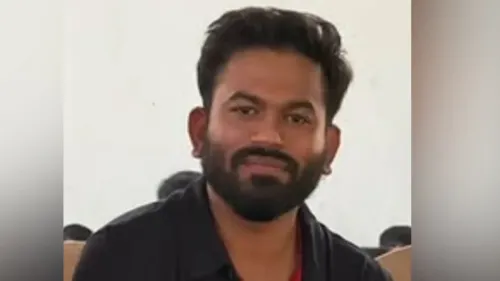
Anil Singh , Glasgow restaurateur and SNP senior member, received a court notice just six weeks after opening Firangi restaurant in Scotland.
Authorities flagged the word 'Firangi' as a potentially racially offensive reference to white people.
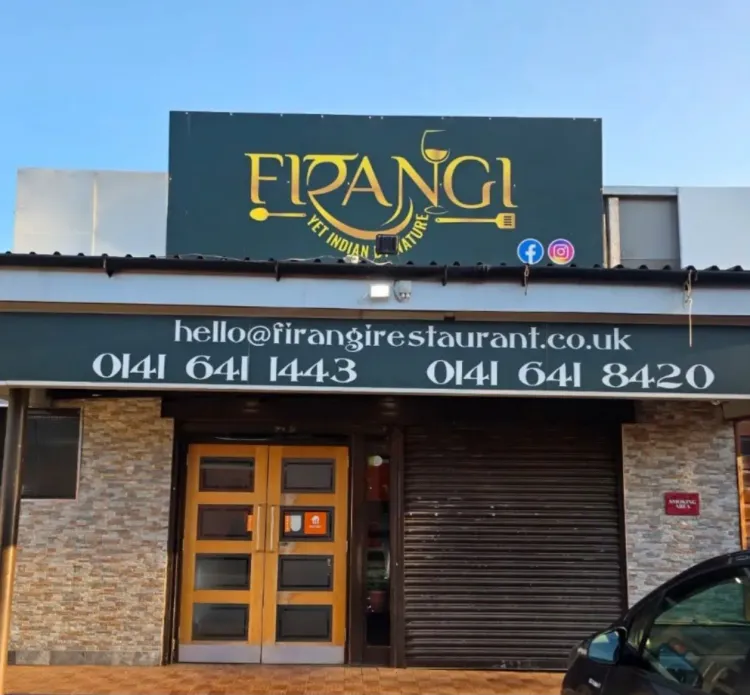
Singh's lawyer advised adding the trademarked phrase 'Yet Indian By Nature' below the restaurant name, which resolved the legal dispute.
In India, 'Firangi' has been used for centuries as a culturally neutral term for foreigners, derived from the historical word 'Frank'.
Singh serves as second officer of the SNP's Renfrew branch and plans to contest upcoming councillor elections.
A single tagline — Yet Indian By Nature — is what saved a Glasgow-based Indian restaurant from being forced to abandon its name, after Scottish authorities flagged the word 'Firangi' as a potentially racially offensive reference to white people. The case, involving restaurateur and Scottish National Party (SNP) senior member Anil Singh, threw a spotlight on how culturally rooted words can carry entirely different meanings when transplanted across borders.
How the Legal Row Began
Firangi, now one of Scotland's recognised Indian restaurants, was barely six weeks old when its owner received a court notice challenging its name. Anil Singh recounted the moment: 'When I named the restaurant Firangi, it stayed that way only for a few weeks. Around one-and-a-half months later, I received a letter from the court saying I could not keep the name.'
Authorities reportedly interpreted the word as a racial slur directed at white people — a reading that Singh said was far removed from the word's original meaning and intent. The matter escalated to court, where the restaurant's branding came under formal scrutiny.
The Tagline That Turned the Tide
The resolution came through an unexpectedly simple legal manoeuvre. Singh already held the trademark for the phrase 'Indian By Nature'. On the advice of his lawyer, he appended it beneath the restaurant's name, creating the full branding: Firangi, Yet Indian By Nature.
'It not only made it clear that we are an Indian restaurant but also provided legal protection,' Singh explained. The addition reframed the word as a cultural and historical reference rather than a slur, satisfying the court and allowing the restaurant to retain its identity.
A Word, Two Worlds
At the heart of the dispute was a question of cross-cultural semantics. In the Indian subcontinent, 'Firangi' — derived from 'Frank', a term historically used for European travellers — has been in common use for centuries to describe foreigners, without any inherently derogatory connotation. It was famously used in the title of the 2017 Bollywood film of the same name and appears widely in historical literature.
'In India, the word Firangi has been used for centuries to refer to foreigners. It was never meant as an insult. Here, however, it was viewed from a completely different cultural perspective,' Singh said. The episode underscores a recurring challenge for diaspora-run businesses: brand identity built on cultural fluency at home can collide with legal and social frameworks abroad.
Beyond the Restaurant: Singh's Political Ambitions
Singh's profile in Glasgow extends beyond hospitality. He currently serves as the second officer of the SNP's Renfrew branch and credits the party with standing by him through the legal ordeal. 'I am with the Scottish National Party, and they have supported me immensely,' he said, adding that he hopes to contest the upcoming councillor elections. 'Fingers crossed, I hope to contest and become a councillor,' he noted.
Diaspora Pride and Distinguished Guests
Singh says the growing Indian diaspora in Scotland and strengthening bilateral ties are opening fresh avenues for businesses like his. He acknowledged support from the Consulate General of India and said the restaurant has hosted Indian sporting icons and other prominent visitors. 'People admire Bollywood stars, but I believe our sportspersons are the real heroes of India. It makes me proud to host them,' he said.
The Firangi case is likely to resonate with other diaspora entrepreneurs navigating the fine line between cultural pride and legal compliance in a new country — a line, it turns out, that a four-word tagline can sometimes define.
Point of View
Not resolved. As Indian-origin businesses grow across the UK and Europe, the question of who gets to define a word's offensiveness, and by what framework, will surface again. Singh's political trajectory within the SNP adds another layer: he is simultaneously navigating identity as a restaurateur, a cultural ambassador, and an aspiring elected official — a combination that makes his story emblematic of second-wave diaspora integration, where assimilation is no longer the goal but negotiation is.
NationPress
25 Oct 2026
Frequently Asked Questions
Why did Firangi restaurant in Glasgow face a legal dispute?
Scottish authorities reportedly interpreted the word 'Firangi' as a racially offensive reference to white people, prompting a court notice to owner Anil Singh approximately six weeks after the restaurant opened. The case centred on whether the name constituted a racial slur under Scottish law.
How was the Firangi restaurant name dispute resolved?
Singh's lawyer advised him to add the trademarked phrase 'Yet Indian By Nature' beneath the restaurant's name, creating the full branding 'Firangi, Yet Indian By Nature'. This reframed the word as a cultural and historical reference, satisfying the court and allowing the restaurant to keep its name.
What does 'Firangi' mean and why is it controversial?
'Firangi' is a centuries-old term used across the Indian subcontinent to refer to foreigners, historically derived from 'Frank', a word for European travellers. In India it carries no inherent insult, but in Scotland it was viewed through a different cultural lens as a potential slur against white people.
Who is Anil Singh, the owner of Firangi restaurant?
Anil Singh is a Glasgow-based restaurateur and a senior member of the Scottish National Party (SNP), currently serving as second officer of the party's Renfrew branch. He has expressed intentions to contest upcoming councillor elections and is active in promoting India-Scotland cultural ties.
Is Firangi restaurant still operating in Glasgow?
Yes, Firangi is currently one of Scotland's recognised Indian restaurants. It operates under the full branding 'Firangi, Yet Indian By Nature' and has hosted prominent Indian visitors, including sporting figures, according to Singh.