David Warner backs Khawaja, slams 'botched' 2018 sandpaper probe
Synopsis
Eight years after the Cape Town sandpaper scandal, David Warner has broken his silence — and gone further than a simple endorsement of Usman Khawaja. His claim that Khawaja was never formally interviewed despite sitting next to Cameron Bancroft is the sharpest challenge yet to Cricket Australia's handling of one of the sport's most damaging controversies.
Key Takeaways
David Warner has publicly backed Usman Khawaja's account of the 2018 Cape Town ball-tampering scandal , calling it '100% accurate.' Warner alleged the investigation was 'rushed and botched,' noting that Khawaja — seated next to Cameron Bancroft — was never formally interviewed.
Warner shared his support via an Instagram video, breaking an eight-year public silence on the topic.
The 2018 scandal resulted in bans for Warner , Steve Smith , and Bancroft ; Warner received a lifetime leadership ban, later overturned in 2023 .
Warner revealed the renewed attention prompted difficult conversations with his daughters, including 12-year-old Ivy .
Cricket Australia has not publicly responded to the specific allegation about the interview process.
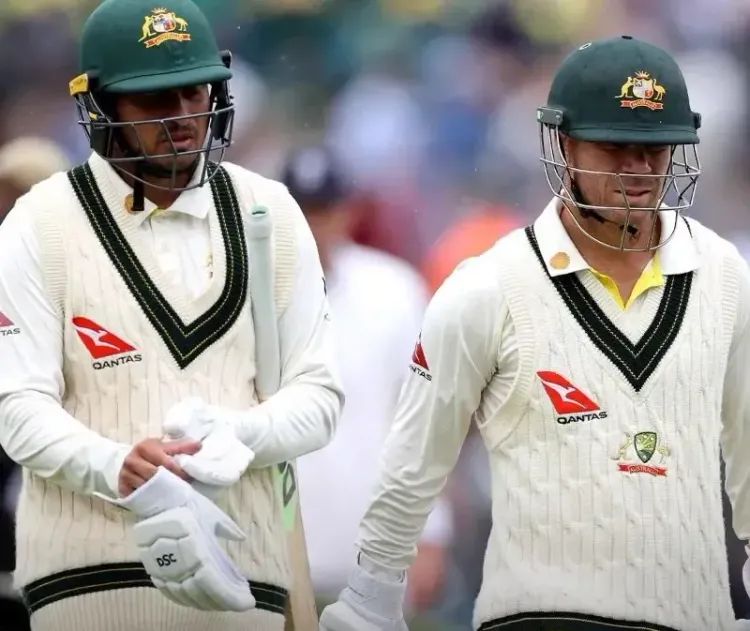
Former Australia opener David Warner has thrown his full public support behind Usman Khawaja following Khawaja's recent revelations about the 2018 Cape Town ball-tampering scandal, endorsing his former teammate's account and sharply questioning the credibility of Cricket Australia's investigation into the episode.
Warner Breaks Eight-Year Silence
In a video shared on Instagram, Warner stated that Khawaja's account was '100% accurate' and urged the public to redirect scrutiny away from Khawaja and toward those who conducted the original inquiry. Warner captioned the post: 'Some things are bigger than cricket. This isn't about reopening old wounds. It's about acknowledging that some wounds never properly healed. I stand with my brother Usman Khawaja. Speaking your truth takes courage, especially when people would rather you stay silent. Time passing doesn't replace accountability, and asking questions shouldn't be mistaken for holding grudges. Respect, honesty and accountability. That's all anyone can ask for.'
'Hi everyone, it's been eight years since I've spoken on this topic and Uzzi, I throw my full support behind you. I thank you for what you've done. It's 100% accurate what you've said. Now everyone knows the truth, it's out there,' Warner said in the video, addressing Khawaja directly.
Key Allegation: Khawaja Was Never Formally Interviewed
Warner's sharpest criticism was directed at what he described as a fundamental flaw in the inquiry process — the fact that Khawaja, who was seated next to Cameron Bancroft at the time of the incident, was reportedly never formally questioned by investigators. 'Now this whole interview process was rushed and botched. Uzzi was sitting next to Cameron Bancroft. Uzzi was not interviewed. How is that a thorough investigation? It baffles me,' Warner said.
He argued that the absence of Khawaja from the formal interview process raised serious questions about whether the inquiry had adequately examined all relevant accounts. Cricket Australia has not publicly responded to these specific claims.
The 2018 Sandpaper Scandal: A Recap
The Cape Town Test against South Africa in March 2018 became one of the most damaging episodes in Australian cricket history when it emerged that sandpaper had been used to alter the condition of the ball. The fallout resulted in lengthy bans for Warner, then-captain Steve Smith, and Bancroft. Warner received the most severe punishment — a 12-month suspension and a lifetime leadership ban, the latter of which was eventually overturned in 2023.
Khawaja's renewed account, which reportedly includes notes he made from the day of the incident, has reignited debate about what exactly transpired in the dressing room and whether all responsible parties were held accountable. This marks at least the second significant reopening of the scandal's narrative, following earlier revelations in the years since the original bans.
Personal Cost: Difficult Conversations With His Daughters
Warner also revealed the personal toll the renewed attention has taken on his family, particularly his daughters. 'The last couple of days, I've been talking to my daughters, and that's why it's taken me a couple of days to get this out because I've had to tell them exactly what had happened, especially my 12-year-old Ivy. Wanting to know why we're holding her, why there were so many cameras, why we're crying on TV. That was a hard thing to do,' he said.
He added: 'But one thing I did say is, Girls, tell the truth, because lies will eventually get out.' Warner concluded by reaffirming his support for Khawaja, saying the disclosure had been 'tough' for his family, as well as for Smith and Bancroft, but maintained it was necessary.
What Happens Next
With Warner's public intervention adding significant weight to Khawaja's account, pressure may now grow on Cricket Australia to formally respond to the specific allegation that Khawaja was excluded from the investigation's interview process. The debate over accountability, transparency, and whether the original sanctions were appropriately apportioned looks set to intensify ahead of what could be fresh calls for an independent review.
Point of View
It represents a material gap in a probe that ended careers and reputations. Cricket Australia has never faced meaningful external scrutiny of its investigative methodology, and its silence in the face of two former internationals now publicly contesting the inquiry's rigour is conspicuous. The timing, coinciding with Khawaja's book, will invite cynicism — but the substance of the interview-process allegation stands independent of commercial motive. The sport's administrators would be better served by addressing the procedural claim directly rather than allowing a vacuum to be filled by mounting player testimony.
NationPress
9 Nov 2026
Frequently Asked Questions
Why is David Warner speaking out about the 2018 sandpaper scandal now?
Warner says he was prompted by Usman Khawaja's recent public revelations about the Cape Town ball-tampering incident, which Warner described as '100% accurate.' He stated it had taken him a couple of days to respond because the renewed attention required him to explain the scandal afresh to his daughters.
What is Warner's specific criticism of Cricket Australia's investigation?
Warner alleged the inquiry was 'rushed and botched,' pointing to what he called a critical omission: Usman Khawaja, who was seated next to Cameron Bancroft at the time of the incident, was reportedly never formally interviewed by investigators. Warner argued this undermined the investigation's credibility.
What happened in the 2018 Cape Town ball-tampering scandal?
During the Cape Town Test against South Africa in March 2018, sandpaper was used to illegally alter the condition of the ball. The incident led to lengthy suspensions for David Warner, then-captain Steve Smith, and Cameron Bancroft. Warner received the harshest punishment, including a lifetime leadership ban that was eventually overturned in 2023.
What has Usman Khawaja said about the 2018 incident?
Khawaja has made renewed public revelations about the events surrounding the Cape Town Test, reportedly drawing on notes he made at the time. His account has reignited debate about the dressing-room circumstances and whether the original investigation fairly apportioned blame.
Has Cricket Australia responded to Warner and Khawaja's claims?
Cricket Australia has not publicly responded to the specific allegation that Khawaja was excluded from the investigation's formal interview process. With two prominent former players now publicly contesting the inquiry's rigour, pressure may grow for an official response or an independent review.