CM Dhami Flags Chardham, Delhi-Dehradun Projects as Uttarakhand's Growth Spine
Synopsis
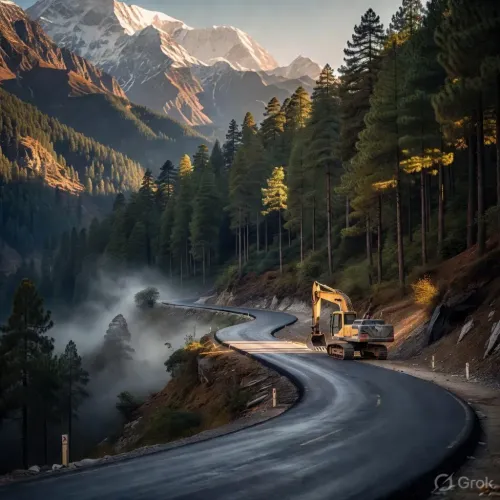
Chief Minister Pushkar Singh Dhami has reaffirmed Uttarakhand's all-round development push, citing rapid on-ground progress on the Chardham All Weather Road and the 210-km Delhi-Dehradun Expressway — two Bharatmala-backed projects set to transform the hill state's connectivity.
Key Takeaways
CM Pushkar Singh Dhami on 9 November 2026 reiterated the state government's commitment to comprehensive development of Uttarakhand.
The Chardham All Weather Road aims to provide year-round connectivity to Badrinath, Kedarnath, Gangotri , and Yamunotri ; it was funded under Bharatmala in 2016 .
The Delhi-Dehradun Expressway , a 210 km access-controlled highway under Bharatmala Pariyojana (2015) , is designed to sharply cut travel time between the two cities.
Both projects are described by the CMO as 'rapidly coming to ground,' signalling active implementation.
Road connectivity is Uttarakhand's primary development lever, given the state's mountainous terrain and dependence on tourism and pilgrimage economies.
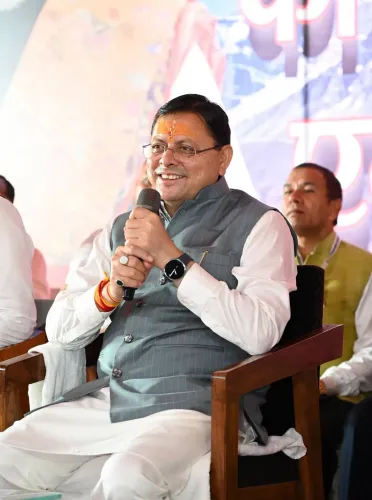
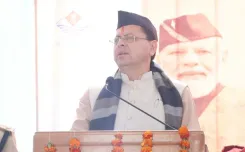
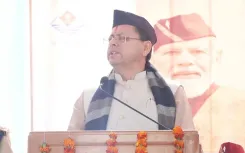
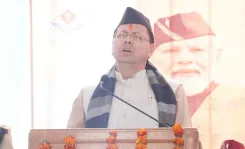
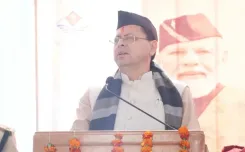
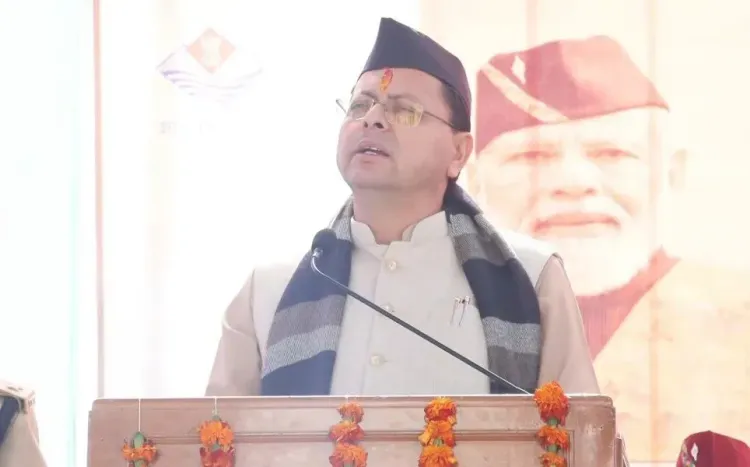
Connectivity is not a convenience in Uttarakhand — it is a lifeline. On Monday, 9 November 2026, the Chief Minister's Office of Uttarakhand quoted Chief Minister Pushkar Singh Dhami reaffirming that the state's all-round development is being pursued 'with full commitment,' with landmark road infrastructure projects now visibly taking shape on the ground.
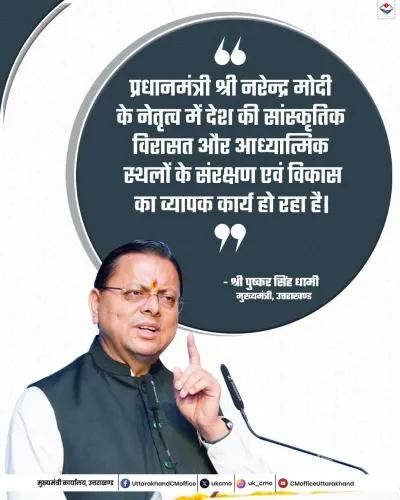
CM Dhami's statement, shared from the official CMO handle, declared: 'हम प्रदेश के चहुंमुखी विकास के लिए पूरी प्रतिबद्धता के साथ कार्य कर रहे हैं' — 'We are working with complete dedication for the all-round development of the state.' He pointed specifically to the Chardham All Weather Road and the Delhi-Dehradun Expressway as flagship projects 'rapidly coming to ground.'
What the Chardham All Weather Road actually means for the hills
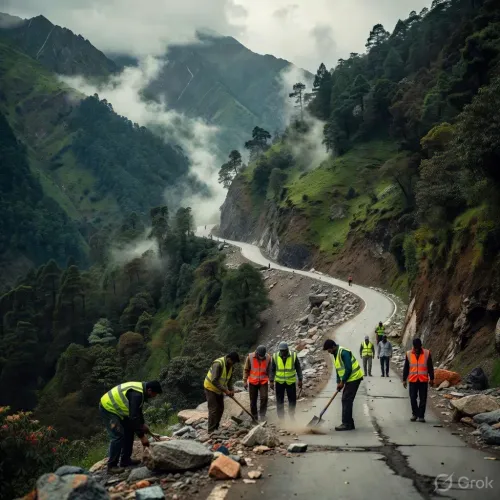
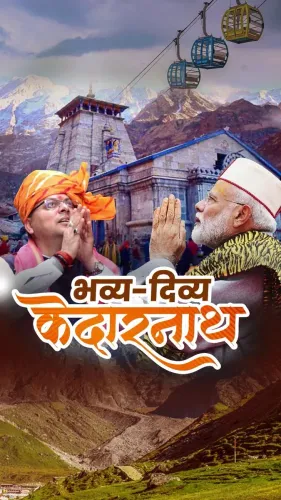
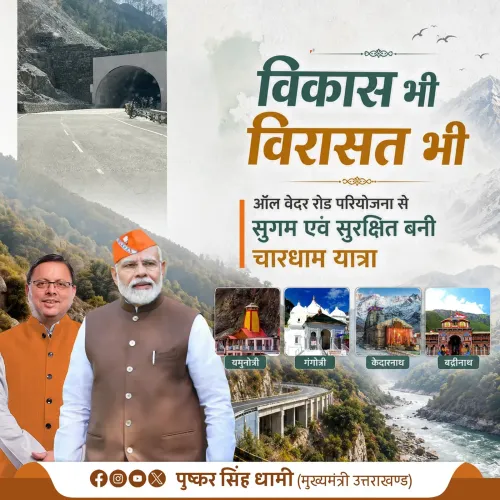
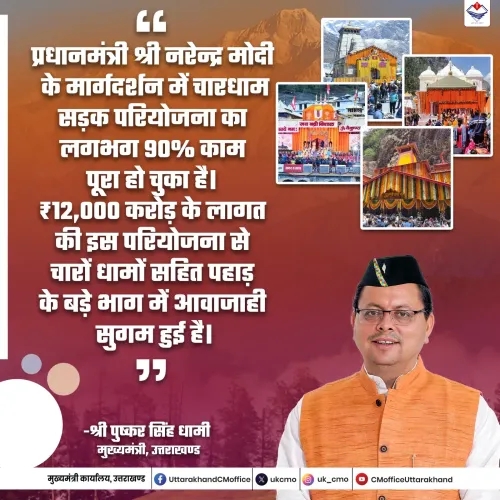
The Chardham All Weather Road project was designed to provide uninterrupted, year-round road access to Uttarakhand's four sacred pilgrimage sites — Badrinath, Kedarnath, Gangotri, and Yamunotri. These corridors have historically been choked or cut off during winters and monsoons, leaving pilgrims stranded and hill communities isolated for months. The project received central approval and funding under the Bharatmala programme in 2016, making it a decade-long endeavour that successive state governments have pressed forward.
For residents of the high-altitude districts, this is not an infrastructure statistic — it is the difference between medical access and none, between a viable livelihood and a seasonal existence. The stakes are as human as they are economic.
The Delhi-Dehradun Expressway and what 210 km can unlock
The Delhi-Dehradun Expressway, a 210-kilometre access-controlled highway, was included under Bharatmala Pariyojana, announced in 2015. Its promise is straightforward and transformative: slash travel time between Delhi and Dehradun, effectively pulling the Uttarakhand capital closer to the national capital's economic gravity. Faster connectivity means more tourists, faster freight movement, and a sharper edge for the state's growing hospitality and adventure-tourism economy.
Together, these two projects represent Uttarakhand's bet on roads as the master key — unlocking pilgrimage tourism, reducing seasonal isolation, and stitching the state's difficult terrain into the national mainstream.
A mountain state's long road to connectivity
Uttarakhand governments have consistently placed road connectivity at the centre of their development pitch — and with good reason. The state's topography makes traditional industrial development difficult, leaving tourism and pilgrimage as the dominant economic engines. Central highway programmes like Bharatmala have given successive administrations both the funding and the political credibility to pursue projects at a scale the state budget alone could not sustain.
What to watch now: phased completion timelines and traffic-opening announcements for the remaining stretches of both projects. Every stretch opened is a headline — and a vote.
Point of View
A calculated move as phased project completions begin generating on-ground results. The dual reference to Chardham and the Delhi-Dehradun Expressway — both Bharatmala-backed — signals the state's deliberate alignment with central government capital spending as a political and developmental strategy. For a hill state whose economic fortunes ride on pilgrimage and tourism flows, every road opened is both a development milestone and an electoral asset. The real test will come as completion timelines and traffic-opening announcements arrive — that is when political promises become measurable outcomes.
NationPress
9 Nov 2026
Frequently Asked Questions
What is the Chardham All Weather Road project?
The Chardham All Weather Road is a central government-funded project under Bharatmala (approved in 2016) to provide year-round road connectivity to Uttarakhand's four major pilgrimage sites — Badrinath, Kedarnath, Gangotri, and Yamunotri — which were previously cut off during winters and monsoons.
How long is the Delhi-Dehradun Expressway and when was it planned?
The Delhi-Dehradun Expressway is a 210-kilometre access-controlled highway included under Bharatmala Pariyojana, announced in 2015, designed to significantly reduce travel time between New Delhi and Dehradun.
Who is Pushkar Singh Dhami?
Pushkar Singh Dhami is the Chief Minister of Uttarakhand, serving since 2021, and has made road connectivity and infrastructure development central priorities of his administration.
What is Bharatmala Pariyojana and how does it relate to Uttarakhand?
Bharatmala Pariyojana is a central government national highway development programme launched in 2015 that has provided funding and institutional support for major road projects in Uttarakhand, including both the Chardham All Weather Road and the Delhi-Dehradun Expressway.
Why is road connectivity so important for Uttarakhand?
Uttarakhand's mountainous terrain makes industrial development difficult, so the state depends heavily on pilgrimage tourism and hospitality. All-weather roads are critical for ensuring year-round access for pilgrims, reducing isolation of hill communities, and driving broader economic growth.