CM Dhami raises honorariums for Anganwadi, ASHA workers from Dec 1
Synopsis
Chief Minister Pushkar Singh Dhami announces honorarium increases for Anganwadi workers, ASHA workers, helpers, and Bhojanmatas in Uttarakhand from December 1, 2026, alongside two-instalment Lakhpati Didi payouts and enhanced wildlife-conflict compensation.
Key Takeaways
Honorarium hike effective December 1, 2026 for Anganwadi workers, helpers, ASHA workers, and Bhojanmatas in Uttarakhand.
Lakhpati Didi incentive payments will be disbursed in two installments under the DAY-NRLM framework.
Villagers injured in human-wildlife conflict will receive additional financial assistance beyond existing compensation.
Exact revised honorarium amounts and additional wildlife relief figures have not yet been disclosed.
The announcement covers four categories of frontline women workers critical to nutrition, education, and health delivery in Uttarakhand.
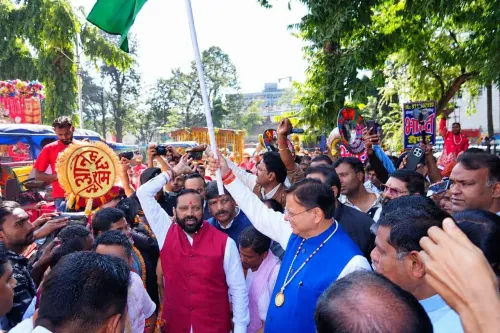
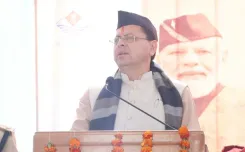
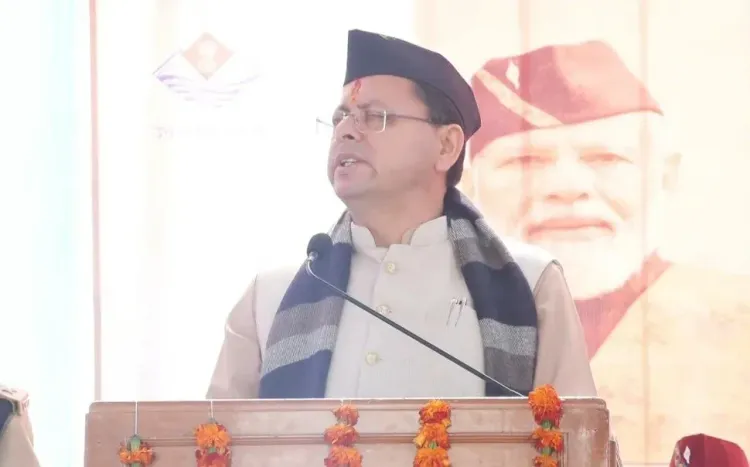
Thousands of frontline women workers who deliver nutrition, childcare, and healthcare across Uttarakhand's villages are set to earn more — Chief Minister Pushkar Singh Dhami announced on Monday, November 9, 2026 that honorariums for Anganwadi workers, helpers, ASHA workers, and Bhojanmatas will be hiked effective December 1, 2026.
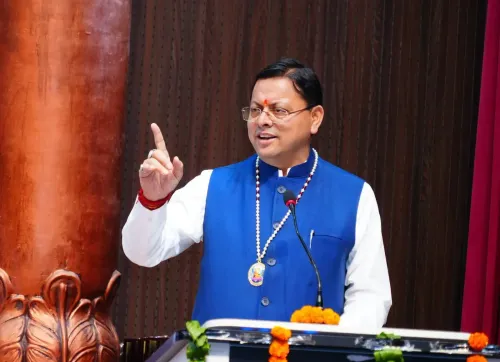
The Chief Minister's Office posted the announcement on X, quoting CM Dhami directly: 'Aanganwadi karyakartriyon, sahayikaon, Ashaon aur Bhojanmataon ke maandey mein 01 December 2026 se badhotari ki jaayegi' — honorariums for Anganwadi workers, helpers, ASHAs, and Bhojanmatas will be increased from December 1, 2026. The same statement confirmed that Lakhpati Didis will receive incentive payments in two installments, and that people injured by wildlife attacks will get additional financial assistance beyond the existing compensation framework.
Who gets the raise — and what these workers actually do
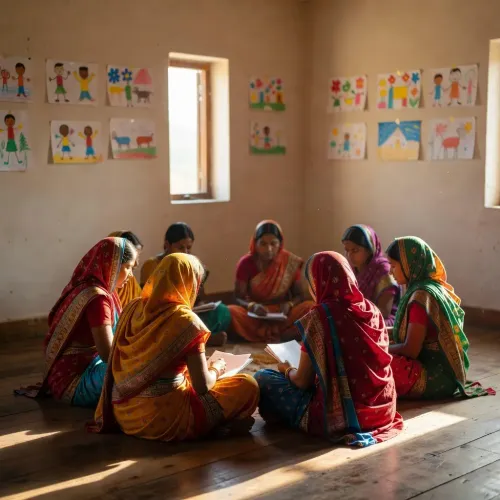
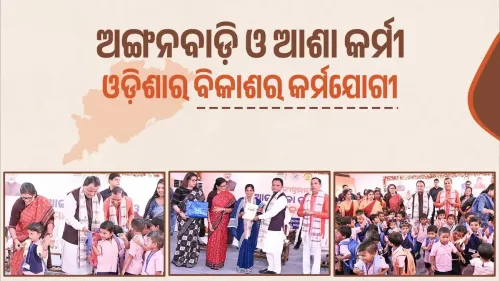
Anganwadi workers and their helpers are the backbone of the Integrated Child Development Services (ICDS), delivering nutrition supplements, preschool education, and maternal health support at the village level. ASHA workers — Accredited Social Health Activists under the National Health Mission — are often the only healthcare touchpoint for women in remote Himalayan hamlets, handling maternal care, immunisation drives, and disease surveillance.
Bhojanmatas are the women who cook and serve mid-day meals in government schools, a role that is both critical to child nutrition outcomes and chronically underpaid. All four categories operate on honorariums — not regular salaries — making periodic state revisions their primary income lever. The exact revised figures have not been disclosed; the state budget allocation and final quantum are expected to be detailed ahead of the December 2026 rollout.
Lakhpati Didi payouts split into two instalments
The Lakhpati Didi scheme, scaled nationally from 2023 under the Deendayal Antyodaya Yojana–National Rural Livelihoods Mission (DAY-NRLM), targets women in self-help groups to earn at least Rs 1 lakh per year through skill-linked livelihoods. Dhami's announcement that incentive payments will now flow in two installments signals a structured disbursement mechanism — likely designed to ensure beneficiaries invest across the year rather than receiving a single lump sum.
Uttarakhand has been active in enrolling SHG women into the Lakhpati Didi pipeline; breaking incentives into tranches is a move several states have used to improve programme accountability and reduce fund leakage.
Extra relief for communities living on the forest edge
The third pillar of the announcement is quietly significant for a state that shares its geography with tigers, leopards, elephants, and bears. Villagers injured in human-wildlife conflict will receive additional financial assistance over and above the existing compensation framework — a pointed acknowledgement that the current relief amounts have long been considered inadequate by forest-fringe communities across Kumaon and Garhwal.
Himalayan states with high forest cover have faced persistent pressure to raise wildlife-conflict compensation as big-cat and herbivore populations grow under conservation programmes. This enhancement, though unquantified yet, directly addresses a grievance that has simmered in Uttarakhand's rural constituencies for years.
Three targeted welfare moves, one December deadline, and a government signalling it is listening to the women who keep the state's social infrastructure running — the numbers will tell the full story when the revised orders land.
Point of View
Structured Lakhpati Didi disbursements, and wildlife-conflict relief — reflects a broader BJP-ruled state playbook of bundling women-centric welfare signals ahead of political cycles. For Uttarakhand specifically, raising frontline worker pay addresses a retention crisis in ICDS and NHM delivery chains in hard-to-reach Himalayan terrain. The two-instalment structure for Lakhpati Didi suggests the state is tightening implementation architecture around a scheme that is a national flagship but has faced variable ground-level performance. The wildlife-compensation enhancement is the most politically consequential piece for rural constituencies where human-wildlife conflict directly erodes livelihoods and trust in forest governance.
NationPress
9 Nov 2026
Frequently Asked Questions
When will Anganwadi and ASHA worker honorariums increase in Uttarakhand?
Chief Minister Pushkar Singh Dhami has announced that honorariums for Anganwadi workers, helpers, ASHA workers, and Bhojanmatas will be increased from December 1, 2026 . The exact revised amounts are yet to be officially notified.
What is the Lakhpati Didi scheme and how will Uttarakhand disburse its payments?
Lakhpati Didi is a central government initiative under DAY-NRLM that helps women in self-help groups earn at least Rs 1 lakh per year. CM Dhami announced that incentive payments for Lakhpati Didis in Uttarakhand will now be released in two installments .
Who are Bhojanmatas and why are they getting a pay hike in Uttarakhand?
Bhojanmatas are women employed to cook and serve mid-day meals in government schools. They work on honorariums rather than fixed salaries, and CM Dhami's announcement includes them in the December 2026 honorarium revision alongside Anganwadi and ASHA workers.
Will wildlife attack victims get more compensation in Uttarakhand?
Yes. CM Dhami announced that people injured by wildlife attacks in Uttarakhand will receive additional financial assistance over and above the current compensation package. Specific amounts have not been disclosed yet.
What is human-wildlife conflict compensation in Uttarakhand?
Uttarakhand's forest-fringe communities frequently face attacks from leopards, tigers, and elephants. The state provides financial compensation to affected families; the new announcement raises that relief with an additional support layer, though the revised figures are yet to be formally notified.