Tilak Varma defends strike-rate ahead of India vs Zimbabwe T20I opener

Synopsis
After back-to-back T20I series losses against Ireland and England, Tilak Varma faced the press in Harare and made his case plainly: he bats for the team's situation, not the scorecard optics. Whether that explanation holds up on the field against Zimbabwe will define the next chapter of his international career.
Key Takeaways
Tilak Varma defended his measured strike rate at a pre-match press conference in Harare on Tuesday , ahead of the first T20I against Zimbabwe .
The 23-year-old left-hander said he adjusts his batting approach to team requirements rather than chasing aggressive scoring from ball one.
He cited India losing four to five wickets inside the powerplay during the Ireland and England tours as a key reason for his consolidating role.
India suffered consecutive T20I series defeats against Ireland and England ahead of the Zimbabwe tour.
Varma said the squad has gained significant match practice through domestic cricket and India A fixtures and is ready for the series.
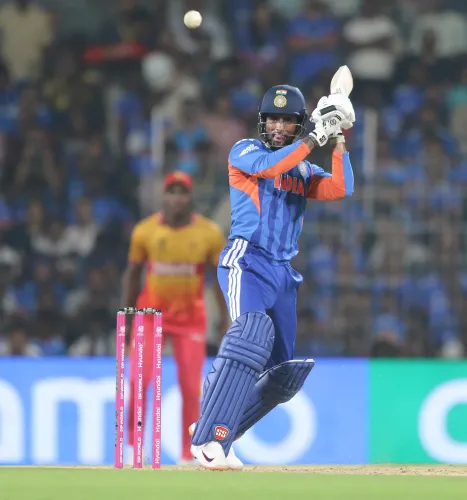
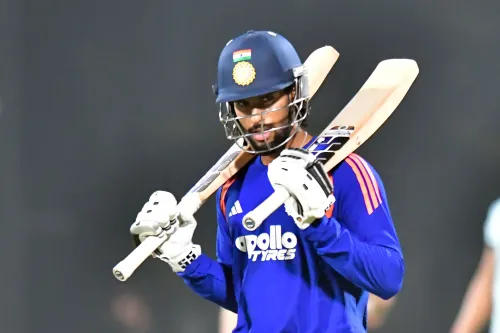
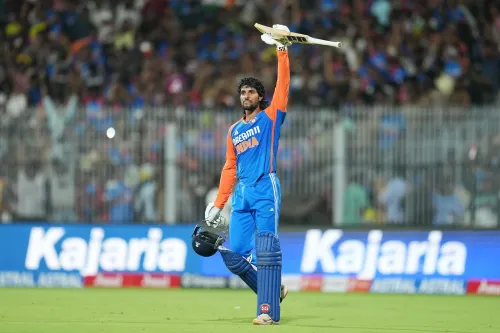
Middle-order batter Tilak Varma pushed back against mounting criticism of his scoring rate on Tuesday in Harare, insisting he tailors his approach to match situations rather than chasing personal strike-rate benchmarks. The 23-year-old left-hander was speaking at the pre-match press conference ahead of the first T20I of India's three-match series against Zimbabwe, scheduled for Wednesday.
Varma's Response to Strike-Rate Critics
Varma's measured tempo during the recent tours of Ireland and England drew scrutiny, with critics arguing that a specialist middle-order batter in the shortest format must score at a higher clip. He dismissed those concerns directly. 'In this format, you have to bat in different places, and especially in different conditions, it's not easy. At the same time, I always say that I do whatever is required for the team,' Varma said.
'If I have to stop and play for the team, then I stop and play. If I have to hit, then I hit and play. So I go as per the conditions of the team,' he added. He pointed to the specific context of the recent series — where India were repeatedly losing four wickets inside the powerplay and five wickets within six overs — as a key reason his role demanded consolidation rather than aggression.
The Context: Two Consecutive Series Defeats
India's back-to-back T20I series losses against Ireland and England have placed the batting unit under the microscope, with the slow run-rate of middle-order batters identified as a structural concern. Varma was one of several players who accumulated runs without accelerating at the pace the format demands, prompting questions about role clarity and execution under pressure.
Notably, this is not the first time India's white-ball middle order has faced criticism for failing to shift gears in the death overs — a recurring pattern across multiple recent series.
Lessons Learned, Focus on Basics
Varma acknowledged the defeats were instructive. 'Honestly, it has been a big learning since the last series. And we are just looking forward, and we just want to follow our basics and do well in the coming series,' he said. He also pointed to the squad's preparation, noting that most players had logged substantial time in domestic cricket and India A fixtures immediately before the Zimbabwe tour. 'Everyone has played enough domestic cricket and A-series just before this, so they are ready to play the series — it's just a bigger stage,' he said.
What the Zimbabwe Series Means for India
The three-match T20I series against Zimbabwe offers India an opportunity to reset after the England setback and experiment with combinations ahead of future assignments. For Varma personally, the series is a chance to silence critics with performances that combine runs and intent. With the squad carrying fresh match practice, the management will be watching whether the middle order can rediscover both fluency and strike-rate discipline simultaneously.
Point of View
As a unit, has a plan for when consolidation must end and acceleration must begin. Two series losses suggest the transition from survival mode to match-winning mode is where the blueprint breaks down. Blaming conditions only goes so far when the same pattern repeats across two different countries.
NationPress
22 Jul 2026
Frequently Asked Questions
Why is Tilak Varma facing criticism about his strike rate?
Tilak Varma has faced criticism because his scoring tempo during India's recent T20I tours of Ireland and England was considered too measured for a specialist middle-order batter in the shortest format. Critics argue that the middle order must accelerate when the top order fails, rather than consolidate further.
What did Tilak Varma say about his batting approach?
Varma said he bats according to the team's situation rather than personal strike-rate targets. He explained that with India frequently losing multiple wickets inside the powerplay during recent series, his role required him to anchor the innings rather than attack from the outset.
How has India performed in T20Is recently before the Zimbabwe series?
India lost consecutive T20I series against Ireland and England ahead of the Zimbabwe tour, raising concerns about the batting unit's ability to post competitive totals, particularly the middle order's scoring rate under pressure.
What is at stake for Tilak Varma in the Zimbabwe T20I series?
The three-match series gives Varma an opportunity to respond to critics with performances that combine run-scoring and strike-rate discipline. It is also a broader reset for India's white-ball unit ahead of future high-stakes assignments.
When does India's first T20I against Zimbabwe take place?
The first T20I of the three-match series between India and Zimbabwe is scheduled for Wednesday, 21 July, in Harare, Zimbabwe.