Why Did India and Bangladesh Captains Skip the Handshake at the Toss?
Synopsis
In a striking display of diplomatic tension, India's Ayush Mhatre and Bangladesh's Zawad Abrar opted out of the customary handshake during the ICC Under-19 World Cup toss. This incident reflects ongoing issues between these neighboring nations, further complicated by a series of recent events. Read on to explore the implications of this gesture.
Key Takeaways
India's captain Ayush Mhatre and Bangladesh's vice-captain Zawad Abrar skipped the handshake at the toss.
The incident highlights ongoing diplomatic tensions between the two nations.
The no-handshake gesture follows similar actions in past cricketing events.
Recent incidents of violence have strained relations further.
Cricket diplomacy is deeply influenced by political contexts.
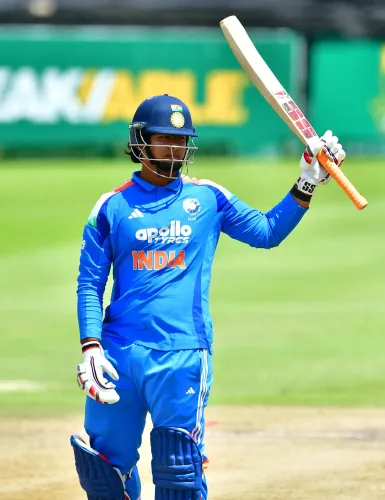
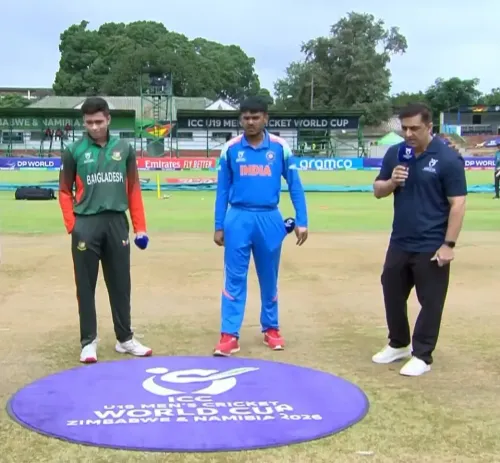
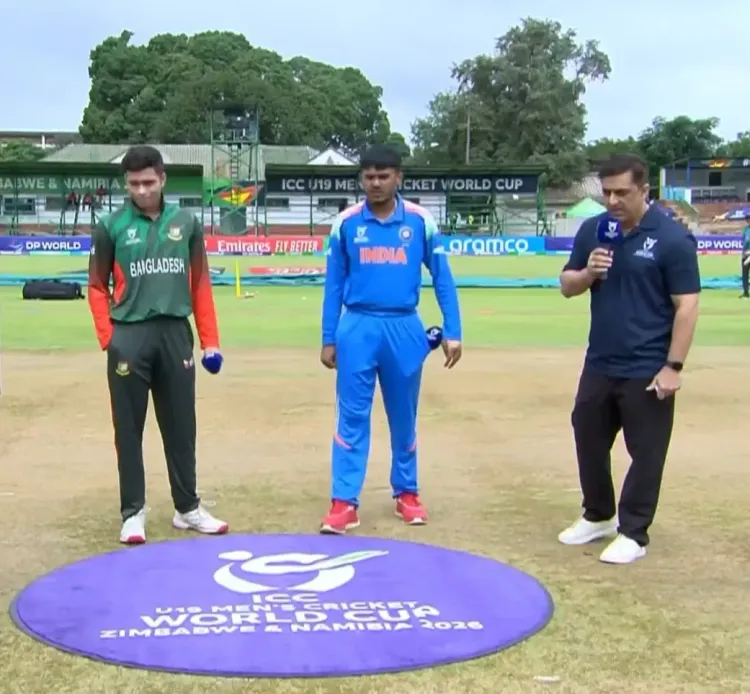
Bulawayo, Dec 17 (NationPress) During the toss of a Group A match at the ICC Under-19 World Cup held at Queens Sports Club on Saturday, India's captain Ayush Mhatre and Bangladesh's vice-captain Zawad Abrar opted not to engage in the customary handshake, reflecting the continuing tensions between the two neighboring nations.
The toss, which was delayed for over 15 minutes due to light rain, saw neither captain initiating the traditional gesture of goodwill. Following Bangladesh's decision to bowl first after winning the toss, the two captains conducted their interviews and returned to their respective dressing rooms without exchanging pleasantries.
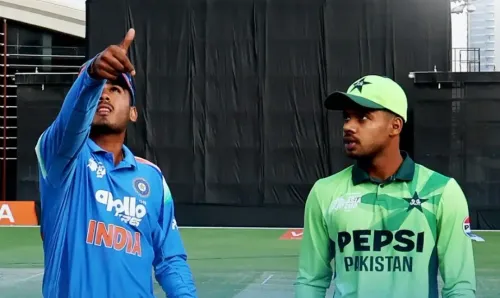
This no-handshake stance follows a similar protocol adopted by the Indian men's team during the Men's Asia Cup in September 2025. Throughout the tournament, the Indian players refrained from shaking hands with their Pakistani counterparts. They also declined to accept a trophy from Asian Cricket Council (ACC) President Mohsin Naqvi, who also holds the position of Pakistan's Interior Minister.
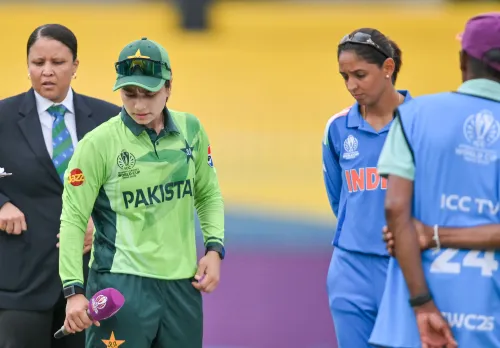
In a related context, during the ICC Women’s ODI World Cup, India's captain Harmanpreet Kaur upheld the 'no handshake' policy. Furthermore, in last month's U19 Asia Cup, India likewise maintained this policy in their group-stage match against traditional rivals Pakistan.
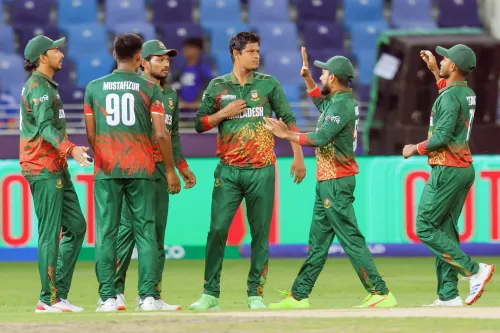
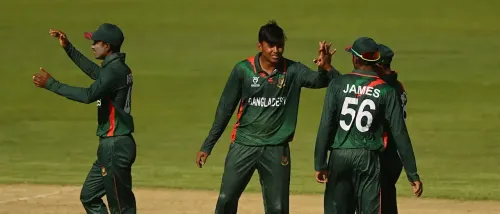
Recent relations between India and Bangladesh have soured on various fronts, particularly due to incidents of violence following the death of a Bangladeshi student leader and the lynching of a Hindu man. This situation has led to complications within both the BCCI and the BCB, particularly when the IPL team Kolkata Knight Riders released Bangladesh’s leading bowler, Mustafizur Rehman, from their roster, following a directive from the Indian cricket governing body.
In response to Mustafizur's release, the Bangladesh Cricket Board initially withheld a no-objection certificate for him to participate in the IPL. Consequently, the BCB communicated with the ICC, requesting that their T20 World Cup matches be relocated to Sri Lanka due to escalating security concerns stemming from rising tensions between the two countries.
Point of View
It is crucial to recognize that such gestures in cricket can resonate beyond the field. The refusal to shake hands may seem trivial, but it underscores the prevailing tensions between India and Bangladesh. In light of recent events, we must approach this topic with sensitivity, understanding the complexities of international relations at play.
NationPress
26 Sept 2026
Frequently Asked Questions
Why did the Indian and Bangladeshi captains not shake hands?
The refusal to shake hands reflects ongoing tensions between India and Bangladesh, stemming from various political and social issues that have arisen recently.
What is the significance of the no-handshake policy?
The no-handshake policy symbolizes a form of protest or discontent regarding diplomatic relations, particularly following incidents related to violence and cricketing disagreements.
How has cricket been affected by political tensions?
Cricket often serves as a platform for broader diplomatic relations, and recent tensions have influenced the behavior of players, impacting the traditional gestures of sportsmanship.