Why Did India Play So Cautiously in the 2022 T20 World Cup Semifinal?
Synopsis
Explore how India's cautious approach in the 2022 T20 World Cup semifinal against England was influenced by fear of losing. Insights from cricket legends reveal the psychological impact on the team and lessons for future tournaments.
Key Takeaways
India's fear of losing impacted their performance in the 2022 semifinal.
Fresh perspectives can benefit team dynamics.
Importance of predictable team selection for consistency.
Mental pressure can affect focus in crucial matches.
Learning from past experiences is vital for future success.
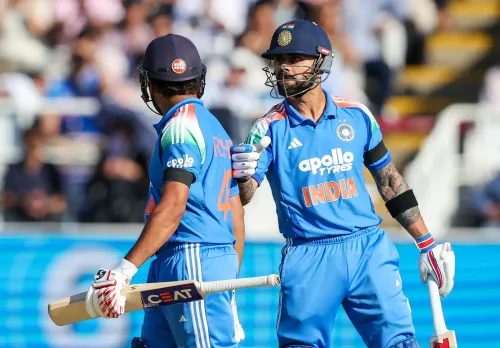
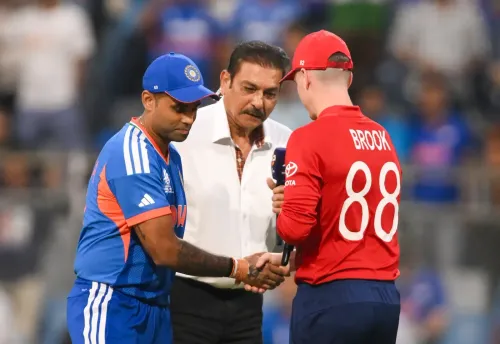
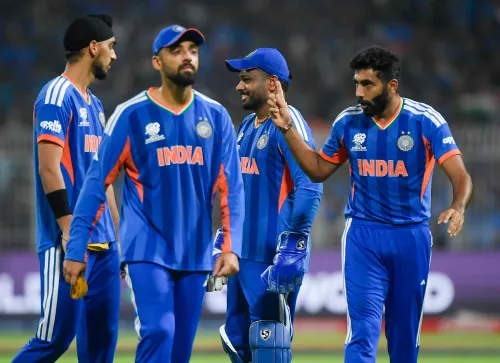
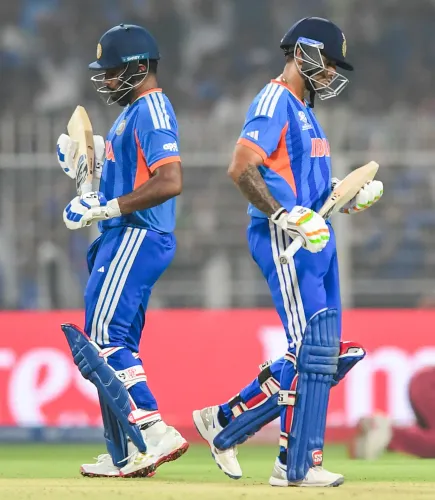
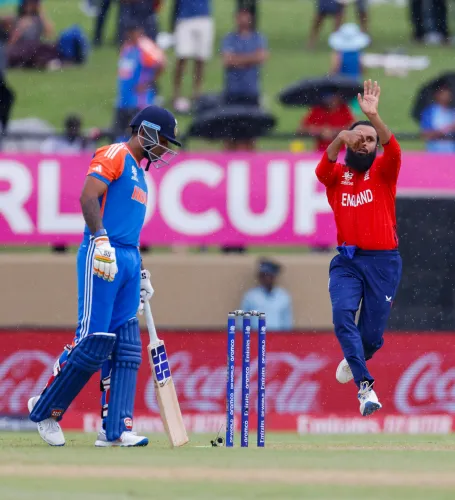
New Delhi, Dec 26 (NationPress) As India prepares for the 2026 Men’s T20 World Cup as the reigning champions, their resurgence in the shortest format came after a significant defeat—a ten-wicket loss to England in the semifinal held in Adelaide in 2022.
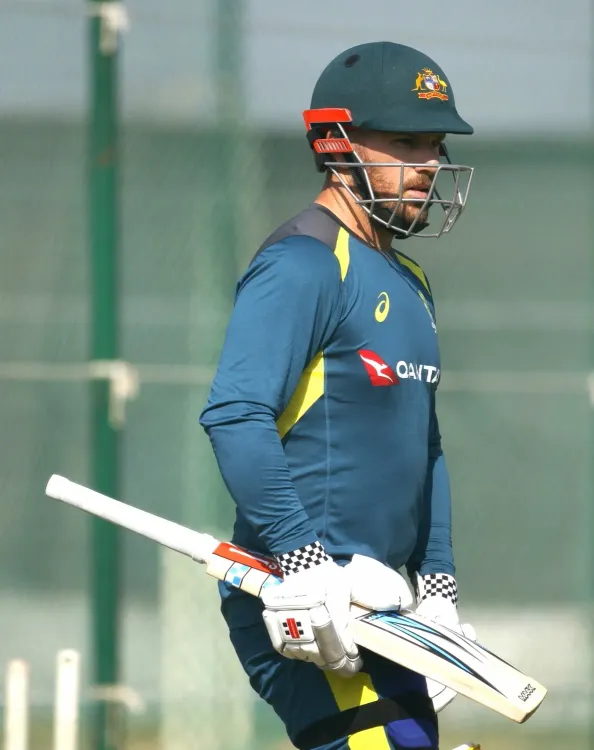
Australia's former World Cup-winning captain, Aaron Finch, reflected on India's mindset during that match, stating that the team's fear of losing inhibited their ability to play freely. 'India was so apprehensive about losing that semifinal that they constrained themselves from playing their natural game. It's disheartening to be eliminated,' he said.
Finch elaborated, 'Once the initial shock wears off, you strategize backwards. You establish plans, set small milestones, and agree on your targets at different stages. Then, you just keep ticking those off as you progress,' during the second episode of the ‘Rise of Champions’ series on JioHotstar.
Former England captain Eoin Morgan, who was commentating during that game, noted a noticeable change in India's tactics at a critical point. 'Whenever India competes in a World Cup, the expectation to win is immense. The semifinal against England was anticipated to be a thrilling encounter. However, about ten overs into India's innings, I turned to Sunil Gavaskar in the commentary box and questioned the disappearance of the bravery and courage that India had shown under Rohit Sharma earlier in the tournament,' he remarked.
Following that defeat, former Indian cricketer Sanjay Manjrekar pointed out shifts in the team’s selection strategy throughout the tournament. 'One advantage I looked forward to was Rohit opting for a more consistent playing eleven, similar to what Mahendra Singh Dhoni did. In contrast, Virat Kohli and Ravi Shastri often surprised us with their lineup in nearly every match,' he mentioned.
Finch also stressed the importance of new perspectives within team dynamics. 'Change isn't necessarily negative. Sometimes, a fresh voice—be it a captain or coach—can significantly benefit the group,' he stated.
Regarding India's performance in the 2023 Men’s ODI World Cup, where Rohit & Co. excelled before succumbing to Australia in the final in Ahmedabad, Sunil Gavaskar praised Rohit Sharma's aggressive batting approach for establishing a strong foundation. 'India started strong with Rohit Sharma making substantial contributions. He set a precedent for others to keep the momentum going,' he commented.
However, Manjrekar argued that India's over-planned strategy led to their downfall in the final. 'I was extremely proud of the Indian team that participated in the 2023 ODI World Cup, as they appeared to be the best in the world. Yet, with Rohit Sharma and Rahul Dravid, they may have tried to micromanage off the field too much. The pitch they selected was a mistake, and we saw that batters like Suryakumar Yadav struggled when the pace was taken off on a slower pitch,' he explained.
Former Indian spinner Harbhajan Singh attributed the loss in the final to mental pressure impacting the team's focus. 'The pressure of playing in a significant final shifted their concentration. This distraction is why we fell behind in that match,' he stated.
Former Australian cricketer Matthew Hayden provided a sharp critique of India's defeat in the home ODI World Cup final. 'Everyone assumed India would win easily at home. They forgot that sports is about competition, with two teams involved. One was better prepared. Losing the World Cup at home is a monumental setback. I don't know how one moves past that. With 1.4 billion people, you should be able to defeat anyone globally,' he expressed.
Point of View
It is evident that India's performance in the 2022 T20 World Cup semifinal raises important questions about mental preparedness and team dynamics. The fear of failure can cloud decision-making and inhibit natural play, which is crucial for success in high-stakes matches. Looking ahead, it's vital for the team to learn from these experiences and approach future tournaments with confidence and strategy.
NationPress
20 Sept 2026
Frequently Asked Questions
What happened in the 2022 T20 World Cup semifinal?
India faced a ten-wicket defeat against England in the semifinal, which was a significant setback for the team.
Why did India struggle in the semifinal?
Aaron Finch pointed out that India's fear of losing impacted their performance, preventing them from playing freely.
What did Eoin Morgan observe during the match?
Eoin Morgan noted a lack of bravery and courage in India's approach compared to their earlier performances in the tournament.
How did India's team selection philosophy change?
Sanjay Manjrekar emphasized that Rohit Sharma's approach aimed for a more predictable playing eleven, contrasting with previous surprise selections.
What lessons can India learn from the 2022 semifinal?
India must focus on mental preparedness and maintaining confidence in their abilities to perform under pressure in future tournaments.